

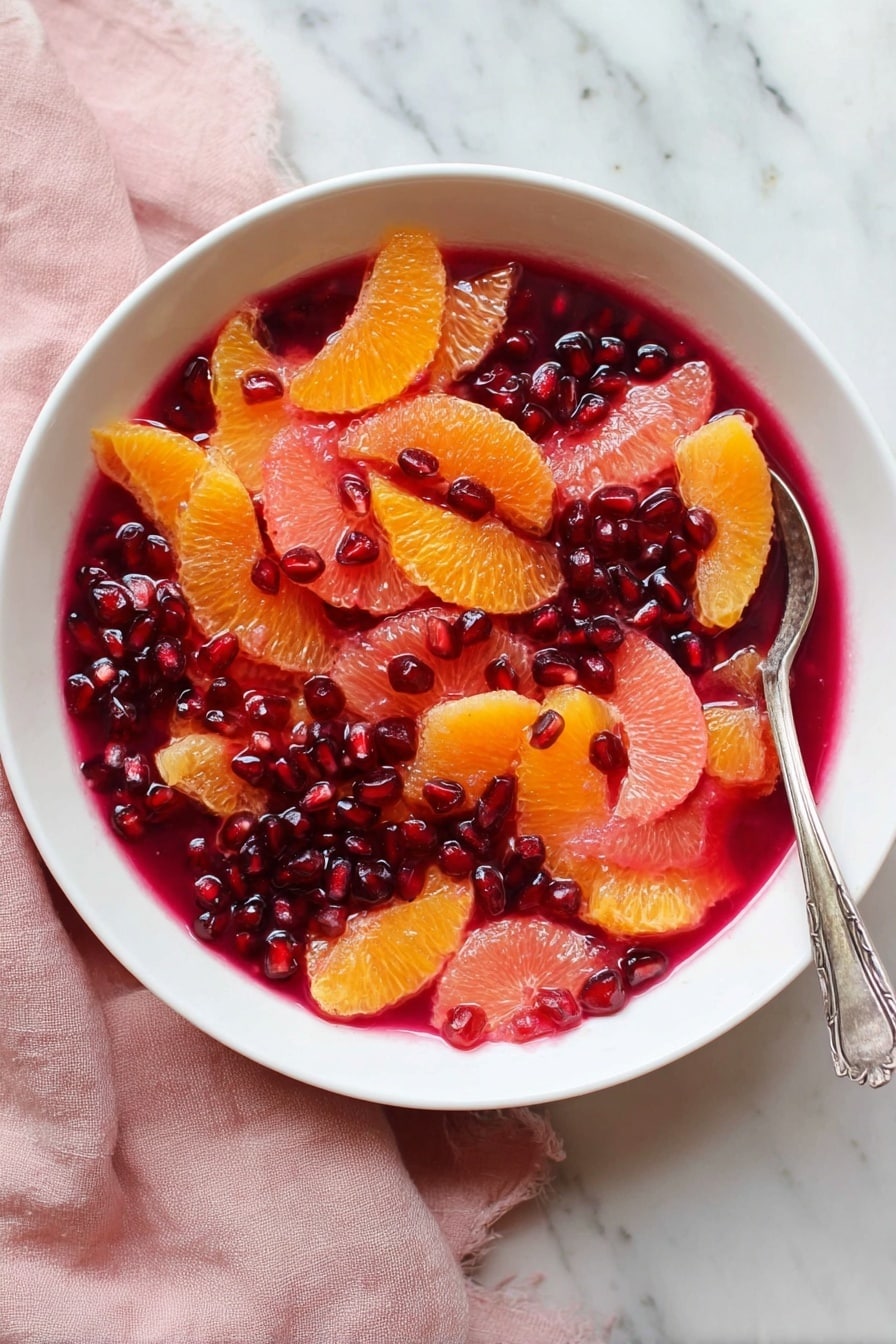
If you’re craving a refreshing burst of sunshine in the middle of winter, this Winter Citrus Pomegranate Fruit Salad Recipe is just what you need. I absolutely love this because it brings together the zingy brightness of grapefruits and oranges with the jewel-like pop of pomegranate seeds, creating a salad that’s as stunning as it is delicious. Trust me, once you try this, it’ll become your go-to fruit salad when you want something light, healthy, and full of vibrant flavors.
Why You’ll Love This Recipe
- Bright, Refreshing Flavor: The combination of citrus and pomegranate delivers a perfect balance of tart and sweet that feels like a natural winter pick-me-up.
- Simple to Prepare: No cooking required—just a bit of slicing and a little patience with the pomegranate seeds, and you’re done!
- Perfect for Any Occasion: Whether it’s a light breakfast, side dish, or festive holiday table, this salad shines.
- Naturally Healthy: Packed with fiber, vitamins, and antioxidants—who says delicious can’t be nutritious?

Ingredients You’ll Need
These ingredients are straightforward and seasonal favorites. I always look for the brightest, freshest citrus I can find because they really make the salad sing. Buying a pomegranate or pre-peeled arils depends on how much time you want to spend, but I promise, it’s worth it either way.
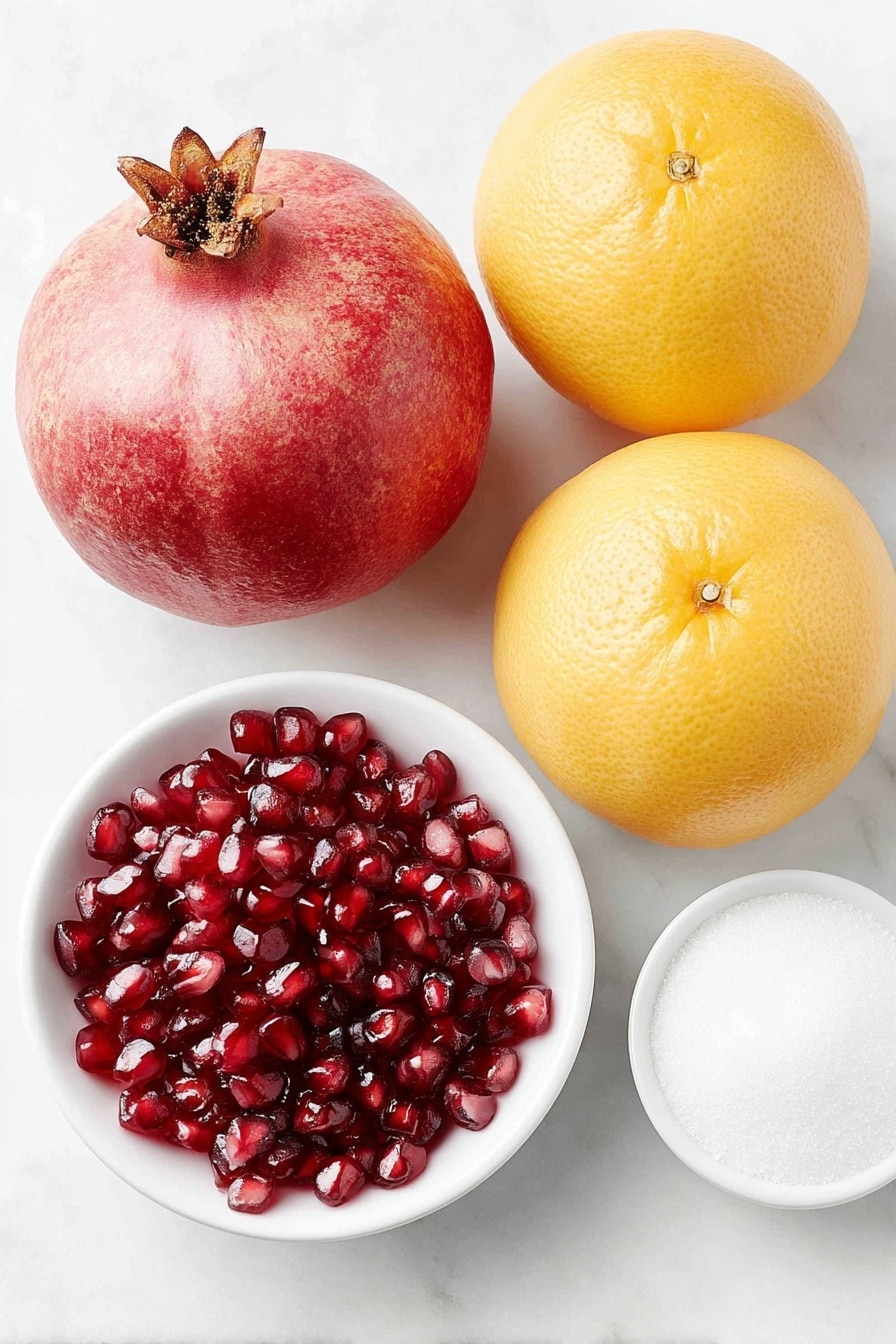
- Pomegranate: Choose a large, firm fruit with shiny skin; it means plenty of juicy arils inside.
- Navel Oranges: Sweet and seedless are best—makes peeling and segmenting much easier.
- Pink Grapefruits: Their balance of tartness and subtle sweetness adds lovely depth to the salad.
- Sugar (optional): Use just a little if your fruit is super tart, but often the natural sweetness is enough.
Variations
I love making this salad as-is, but I also enjoy tweaking it depending on what’s in my fruit basket or what mood I’m in. Don’t be afraid to personalize this recipe—you’ll discover new favorites with just a little experimentation.
- Adding Fresh Mint: I tried tossing in some fresh mint leaves once, and it gave the salad a refreshing herbal lift that my family adored.
- Swapping Citrus: You can easily use blood oranges or even tangerines for a sweeter, more colorful twist.
- Boosting with Berries: Adding a handful of blueberries or raspberries makes the salad even more vibrant and adds extra juicy pops.
- Reducing Sugar: If you prefer a tangier salad, skip the sugar entirely—sometimes the natural pomegranate juice makes all the sweetness you need.
How to Make Winter Citrus Pomegranate Fruit Salad Recipe
Step 1: Master the Art of Pomegranate Seeding
I remember the first time I tried to prep a pomegranate; I was nervous about the mess and staining. Here’s the best way I found that keeps your kitchen (mostly) clean: Place your pomegranate on a surface you don’t mind staining or use a disposable plastic bag to protect your board. Cut a shallow cross at the crown about halfway down and then break it gently into quarters over a large bowl placed in the sink—this saves juice splatters and makes cleanup easier. Squeeze each piece firmly to release as many seeds and as much juice as possible. Don’t be shy about bending the fruit back to coax out all those good seeds. Once done, pick out the white membrane bits—they can be bitter in the salad.
Step 2: Peel and Segment the Citrus with Care
Cut off the tops and bottoms of your oranges and grapefruits so they sit flat. Using a sharp knife, carefully peel off the skin and pith by following the curve of the fruit—getting rid of the white pith ensures the salad won’t taste bitter. Then, holding the fruit over your bowl, slice between the membranes to release the juicy segments. This part takes a bit of patience, but the bright, clean pieces you get are worth it. Once the segments are out, squeeze the remaining membranes firmly over the bowl to catch all the last drops of juice.
Step 3: Taste and Sweeten if Needed
Once all your fruit and juice are combined, give your salad a quick taste. I usually find the natural sweetness and pomegranate juice balance perfectly, but if your grapefruit is especially tart, add up to a tablespoon of sugar and gently toss. Cover the bowl and refrigerate the salad until ready to serve—it tastes even better once chilled for at least 30 minutes!
Pro Tips for Making Winter Citrus Pomegranate Fruit Salad Recipe
- Choosing Pomegranates: I select pomegranates that feel heavy for their size—they tend to be juicier and sweeter.
- Protect Your Surfaces: I always prep pomegranates on a plastic bag or sink to avoid stains; pomegranate juice can be tricky to clean off wooden boards.
- Citrus Peeling: Using a really sharp knife makes removing skin and pith so much easier and reduces fruit loss.
- Adjust Sweetness Last: Taste before adding sugar—you might find the fruit combo is perfectly sweet as is!
How to Serve Winter Citrus Pomegranate Fruit Salad Recipe
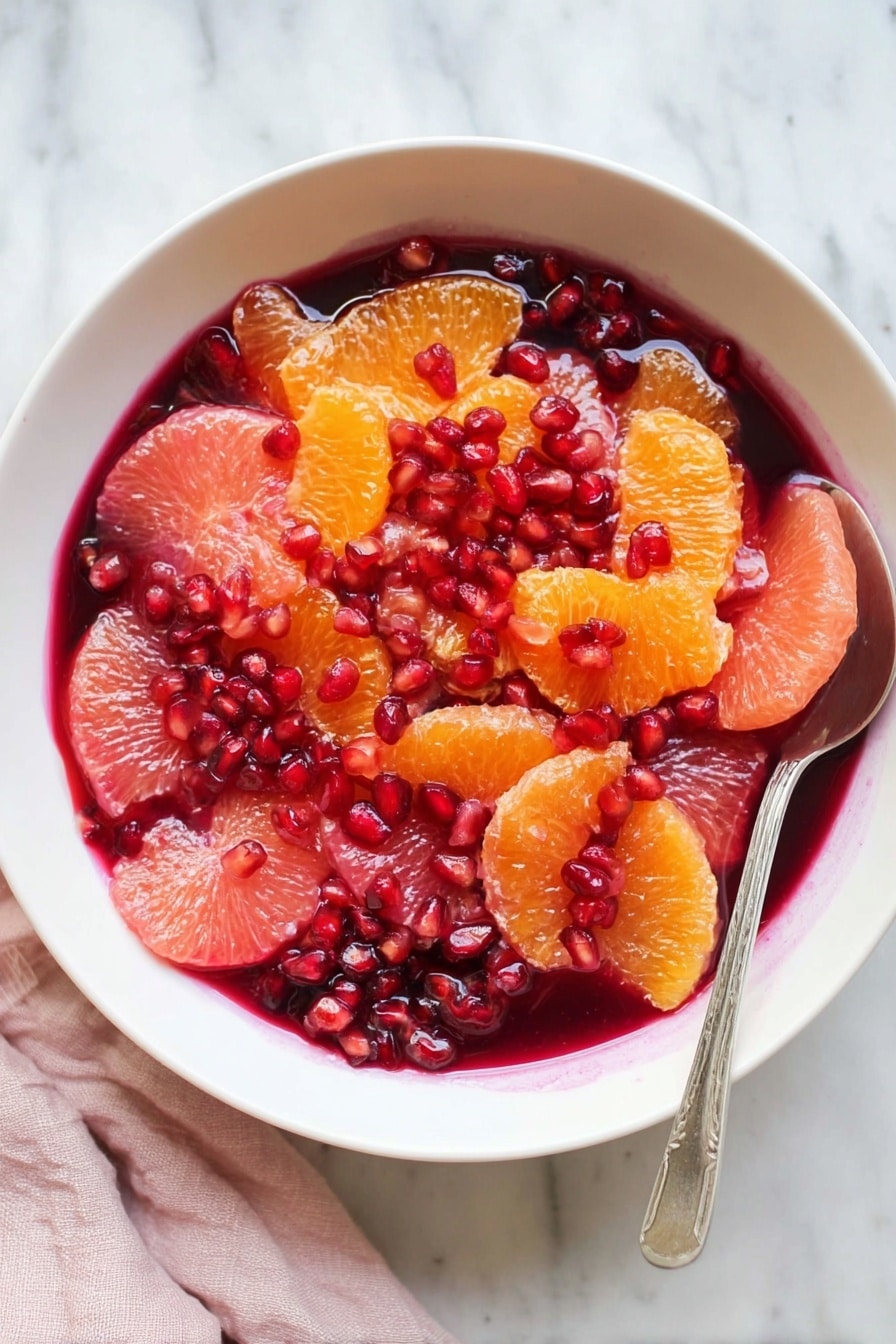
Garnishes
I usually sprinkle a few fresh mint leaves or even some finely chopped pistachios on top for a bit of color contrast and crunch. It feels festive and adds an extra layer of texture that’s just delightful.
Side Dishes
This salad pairs beautifully with lighter proteins like grilled chicken or fish, but I also love it alongside a warm quinoa pilaf or creamy ricotta toast for a balanced meal. In my family, it’s often our palate cleanser during big holiday dinners.
Creative Ways to Present
For special occasions, I serve this salad in individual clear glass bowls or pretty mason jars to show off the vivid colors. Another fun idea is layering it with yogurt and granola for a festive parfait twist that guests always rave about.
Make Ahead and Storage
Storing Leftovers
If you have leftovers, I pop the salad into an airtight container and refrigerate it. It keeps crisp and juicy for up to two days, but I recommend enjoying it fresh for the best texture. The juice might continue to mingle and slightly soften the fruit over time, which some folks like!
Freezing
I wouldn’t recommend freezing this particular fruit salad since the texture of citrus and pomegranate arils changes a lot once thawed—overnight refrigeration to freshen up is better.
Reheating
This salad is best served cold, so no reheating needed! Just give it a gentle stir after refrigeration to redistribute the juices before serving.
FAQs
-
Can I prepare this Winter Citrus Pomegranate Fruit Salad Recipe ahead of time?
Absolutely! In fact, I often make it a few hours or even a day ahead and keep it chilled. The flavors deepen as the juices mingle, making it even more delicious the next day.
-
How do I avoid mess when seeding a pomegranate?
Great question! To prevent staining and juice splatters, I cut the pomegranate over a bowl placed inside the sink and use a plastic bag or a surface you don’t mind getting stained. Also, use your hands to gently separate seeds rather than chopping, which helps contain the juice.
-
Can I use other types of citrus in this fruit salad?
Definitely! Blood oranges, tangerines, or even a mix of lemons and limes can add interesting flavor twists. Just be sure to peel and segment them properly to avoid bitterness from pith and membranes.
-
Is sugar necessary in this recipe?
Most times, the natural sweetness from the citrus and pomegranate juices is enough. However, if your fruit is particularly tart, feel free to stir in a tablespoon or less of sugar as needed to balance the flavors.
Final Thoughts
This Winter Citrus Pomegranate Fruit Salad Recipe is such a joyful way to enjoy seasonal fruit. I always find that it brightens up even the toughest winter day with its fresh flavors and captivating colors. When I first shared this with friends, they couldn’t believe how easy it was and how fancy it looked on the holiday table. I really hope you give it a try—you’ll love how effortlessly it brings something special to your meal. Trust me, once you taste that sweet, tangy burst from the pomegranate mingling with citrus, you’ll be hooked just like I was.
Print
Winter Citrus Pomegranate Fruit Salad Recipe
- Prep Time: 30 minutes
- Cook Time: 0 minutes
- Total Time: 30 minutes
- Yield: 4 servings
- Category: Salad
- Method: No-Cook
- Cuisine: American
- Diet: Vegetarian
Description
A bright and refreshing Winter Citrus & Pomegranate Fruit Salad, combining juicy pomegranate arils, sweet navel oranges, and tangy pink grapefruits. This vibrant salad is perfect for a healthy snack or a festive side dish, bursting with natural sweetness and a beautiful medley of citrus flavors.
Ingredients
Fruits
- 1 large pomegranate (or 1¾ cups ready-to-eat pomegranate arils, with juices)
- 2 large navel oranges
- 2 pink grapefruits
Other
- 1 tablespoon sugar, if needed
Instructions
- Prepare the Pomegranate: Place the pomegranate on a stain-resistant surface. Cut a cross at the crown about halfway down. Hold the fruit crown side down over a large bowl in the sink and break it into quarters. Squeeze each quarter firmly to release seeds and juice into the bowl, bending quarters back to extract more seeds. Squeeze again to get the remaining juice from attached seeds, removing any white membrane pieces from the bowl.
- Segment the Oranges and Grapefruits: Cut a slice off the top and bottom of each orange and grapefruit so they lie flat. Using a sharp knife, carefully remove all skin and pith by working around the fruit. Hold the fruit over the bowl and cut out each segment between membranes, cutting only until the middle of the fruit. Squeeze the remaining membranes firmly to release the last juices into the bowl.
- Sweeten if Needed: Taste the combined fruit and juices. Add up to 1 tablespoon of sugar only if necessary, stirring gently to combine.
- Chill and Serve: Cover the fruit salad and refrigerate until ready to serve. Serve in bowls so the flavorful juice can be spooned up with the fruit.
Notes
- Pomegranate juice can stain wooden cutting boards and countertops. To avoid stains, prepare pomegranates on disposable plastic shopping bags.
- This salad is a refreshing, healthy winter option that showcases seasonal citrus and pomegranate.
- Nutritional information does not account for the optional tablespoon of sugar.
Nutrition
- Serving Size: 1 cup
- Calories: 168
- Sugar: 28 g
- Sodium: 4 mg
- Fat: 1 g
- Saturated Fat: 0 g
- Unsaturated Fat: 1 g
- Trans Fat: 0 g
- Carbohydrates: 41 g
- Fiber: 7 g
- Protein: 3 g
- Cholesterol: 0 mg