
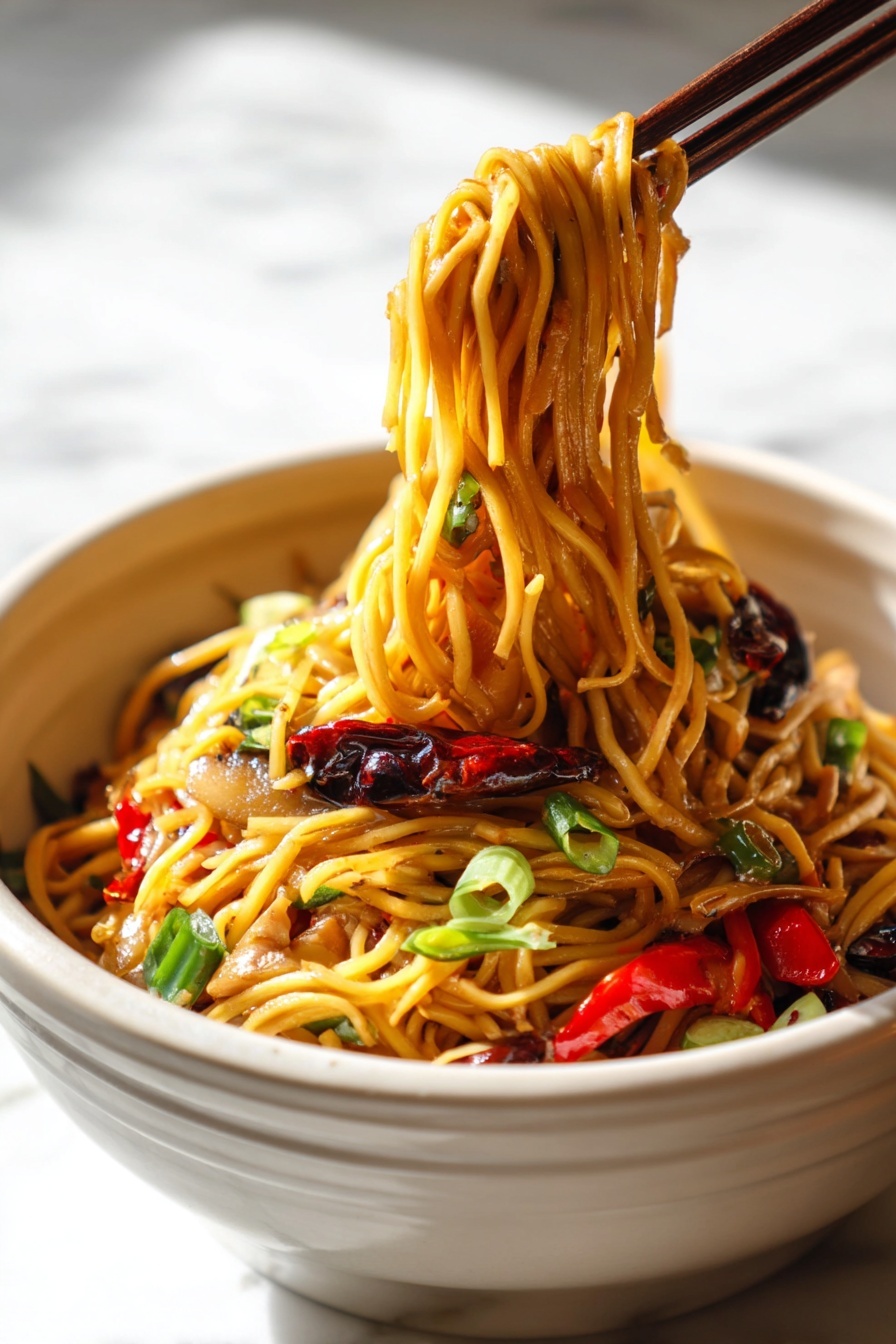
If you’re in the mood to shake up your pasta night, you have to try this bold and irresistible Vegan Kung Pao Pasta Recipe. It brings together the spicy, tangy flavors of classic Kung Pao sauce with the comforting bite of pasta—plus, everything’s 100% plant-based! When I first made this, I was blown away by how easily it balances rich umami with just enough heat, making it perfect for a cozy dinner or impressing friends. Stick around, because I’ve got all my best tips to help you nail it on the first try.
Why You’ll Love This Recipe
- Bold Flavor Fusion: You get the spicy heat of Sichuan with the comforting texture of pasta—a combo that’s both unexpected and addictive.
- Totally Vegan and Easy: Made with accessible plant-based ingredients, it’s perfect if you want a meat-free meal without missing out on flavor.
- Quick Weeknight Winner: In just about 20 minutes, you’ll have dinner on the table, making it a lifesaver on busy nights.
- Customizable Veggie Boost: You can easily swap or add veggies to suit your mood or what’s in your fridge.

Ingredients You’ll Need
These ingredients come together to create a sauce that’s smoky, spicy, a little sweet, and oh-so saucy, making the pasta sing with flavor. When shopping, look for good-quality chili bean paste and fresh scallions to really amp up the taste.
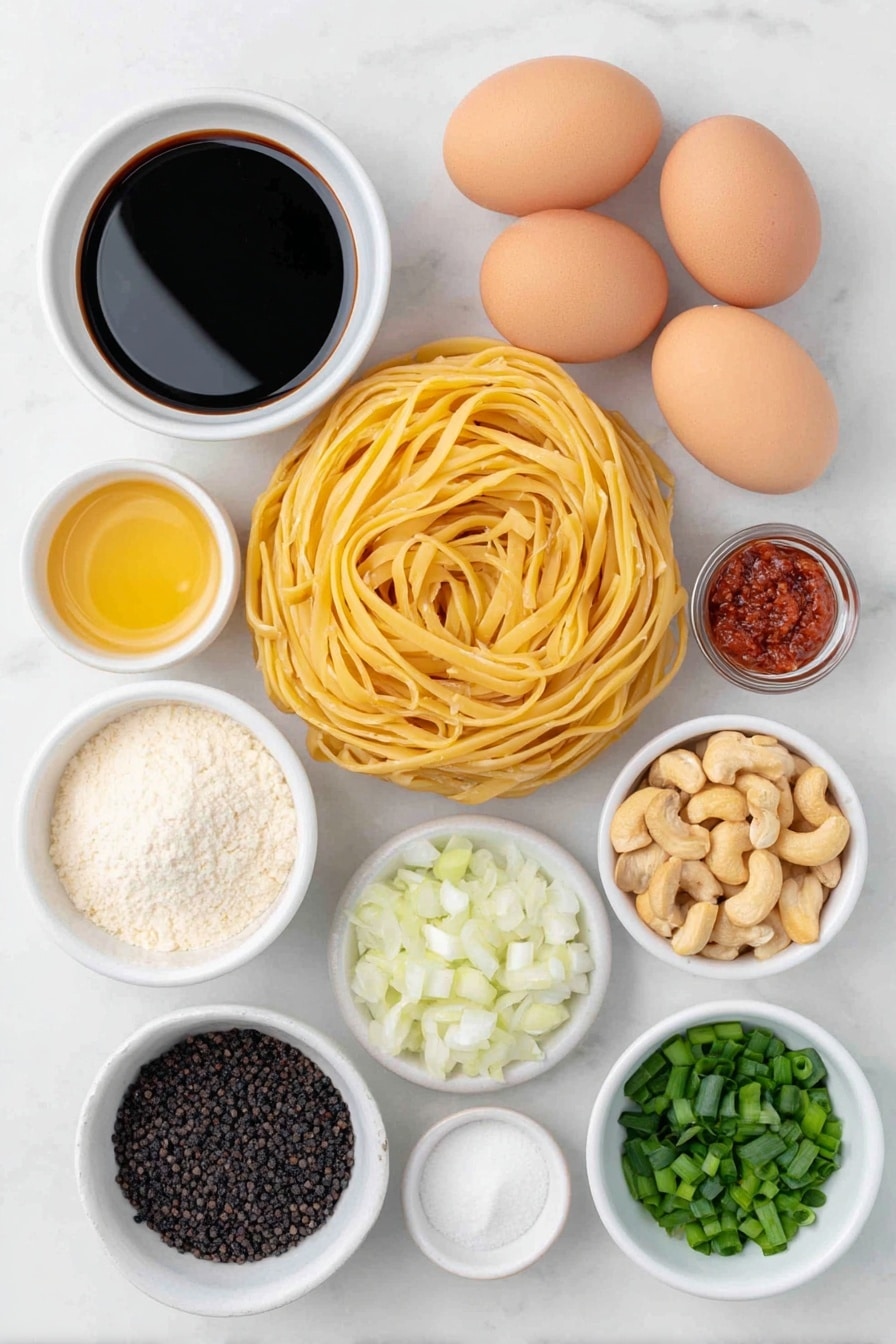
- Water (for sauce): Helps balance flavors and loosen the sauce for coating the pasta perfectly.
- Sugar: I recommend adjusting this to taste to get the right touch of sweetness against the heat.
- Soy Sauce: Adds depth and saltiness; low-sodium works if you want more control over salt.
- Dark Mushroom Soy Sauce (optional): Provides color and extra umami, but don’t worry if you don’t have it.
- Doubanjiang (or chili bean paste): This is the star of the sauce—fiery and flavorful. Grab a good brand for the best taste.
- Chinese Black Vinegar (or Chinkiang): Gives that essential tangy contrast to the spiciness.
- Shaoxing Wine (optional): Adds complexity, but it’s okay to skip if you don’t have any on hand.
- Szechuan Peppercorns: These lend the signature numbing spice; freshly crushed ones make all the difference.
- Cornstarch: Thickens the sauce into that perfect clingy texture we all want on pasta.
- Dry Pasta (linguine or spaghetti recommended): Holds up nicely and carries the sauce beautifully.
- Salt and Olive Oil: Basics to season the pasta water and add a touch of richness.
- Neutral Oil (for cooking): I like grapeseed or avocado for a clean flavor that doesn’t overpower.
- Onion and Scallions: Bring sweetness and freshness; separate the white and green parts for cooking and garnish.
- Mushrooms: King oyster mushrooms add meaty texture, plus extra ones for topping if you want to get fancy.
- Red Bell Pepper: Adds a sweet crunch and vibrant color.
- Dried Chiles (optional): I love the depth they add when lightly toasted in the pan.
- Roasted Cashews or Peanuts: For that irresistible crunch and nutty flavor at the end.
- Sesame Oil (for finishing): A little drizzle adds warmth and aroma.
Variations
I love making this Vegan Kung Pao Pasta Recipe my own depending on what veggies or proteins I have around. Don’t hesitate to experiment—you never know what combo might become your family’s new favorite.
- Add Tofu: Pan-fried tofu cubes make a great protein boost if you want to add more substance.
- Veggie Swap: Try bell peppers in different colors, snap peas, or even baby corn for varied textures.
- Less Heat: Feel free to reduce or skip the dried chiles if you’re sensitive to spice—I’ve made it both ways and it’s still fantastic.
- Gluten-Free: Use gluten-free pasta and tamari instead of soy sauce, and you’re good to go.
How to Make Vegan Kung Pao Pasta Recipe
Step 1: Whip Up the Flavor-Packed Sauce
Start by mixing all your sauce ingredients in a bowl—water, sugar, soy sauces, chili bean paste, black vinegar, Shaoxing wine, and the crushed Szechuan peppercorns. Adjust the sugar and chili bean paste depending on how spicy or sweet you want it. Then stir your cornstarch with a bit of room temperature water separately to make a slurry. Set both aside for now. I always give the slurry a quick stir before adding it so it doesn’t clump, which makes a big difference in the sauce’s texture.
Step 2: Cook the Pasta Al Dente
Boil a large pot of water, and once boiling, salt it generously and add a splash of olive oil—it helps prevent the pasta from sticking. Cook your chosen pasta until it’s just al dente, chewy but not mushy. I usually keep an eye on the timing on the package and test a strand a minute or two before. Drain the pasta, but save some pasta water just in case you need to loosen the sauce later. This little hack always saves me when things get too thick.
Step 3: Sauté the Veggies and Aromatics
Heat a pan over medium and add your neutral cooking oil. Toss in the diced onion, white parts of the scallions, bell pepper, and mushrooms. Sauté until they turn tender and just begin to caramelize, about 5-7 minutes. If you’re using dried chiles, add them in now and let them toast softly in the oil—this releases their smoky aroma. The kitchen starts smelling incredible at this point!
Step 4: Combine Pasta and Sauce with a Thickening Touch
Pour the sauce mixture into the pan and bring it to a simmer over medium heat. Once you see the sauce bubbling gently, add your cooked pasta right into the pan. Give your cornstarch slurry a final stir, then drizzle it over the pasta. Stir constantly to evenly coat every strand as the sauce thickens and becomes luscious. You’ll know it’s ready when the sauce clings to the pasta beautifully and starts to look glossy.
Step 5: Final Touches for Crunch and Flavor
Turn off the heat and stir in your roasted cashews or peanuts and the green parts of the scallions. Taste and add a pinch more salt or sugar if you think it needs tweaking. If you plan on reheating leftovers, adding a splash more pasta water now keeps the pasta saucy and delicious later on. For extra indulgence, top with some pan-fried mushrooms and a drizzle of fragrant sesame oil just before serving.
Pro Tips for Making Vegan Kung Pao Pasta Recipe
- Crush Your Own Szechuan Peppercorns: Freshly ground ones bring out the authentic numbing spice better than pre-ground powders.
- Toast Dried Chiles Gently: Burnt chiles turn bitter, so keep the heat medium-low and stir constantly until aromatic.
- Reserve Pasta Water: It’s perfect for adjusting sauce consistency later, and keeps noodles silky.
- Don’t Overcook Pasta: Leaving it al dente ensures it won’t get mushy when tossed with sauce or reheated.
How to Serve Vegan Kung Pao Pasta Recipe
Garnishes
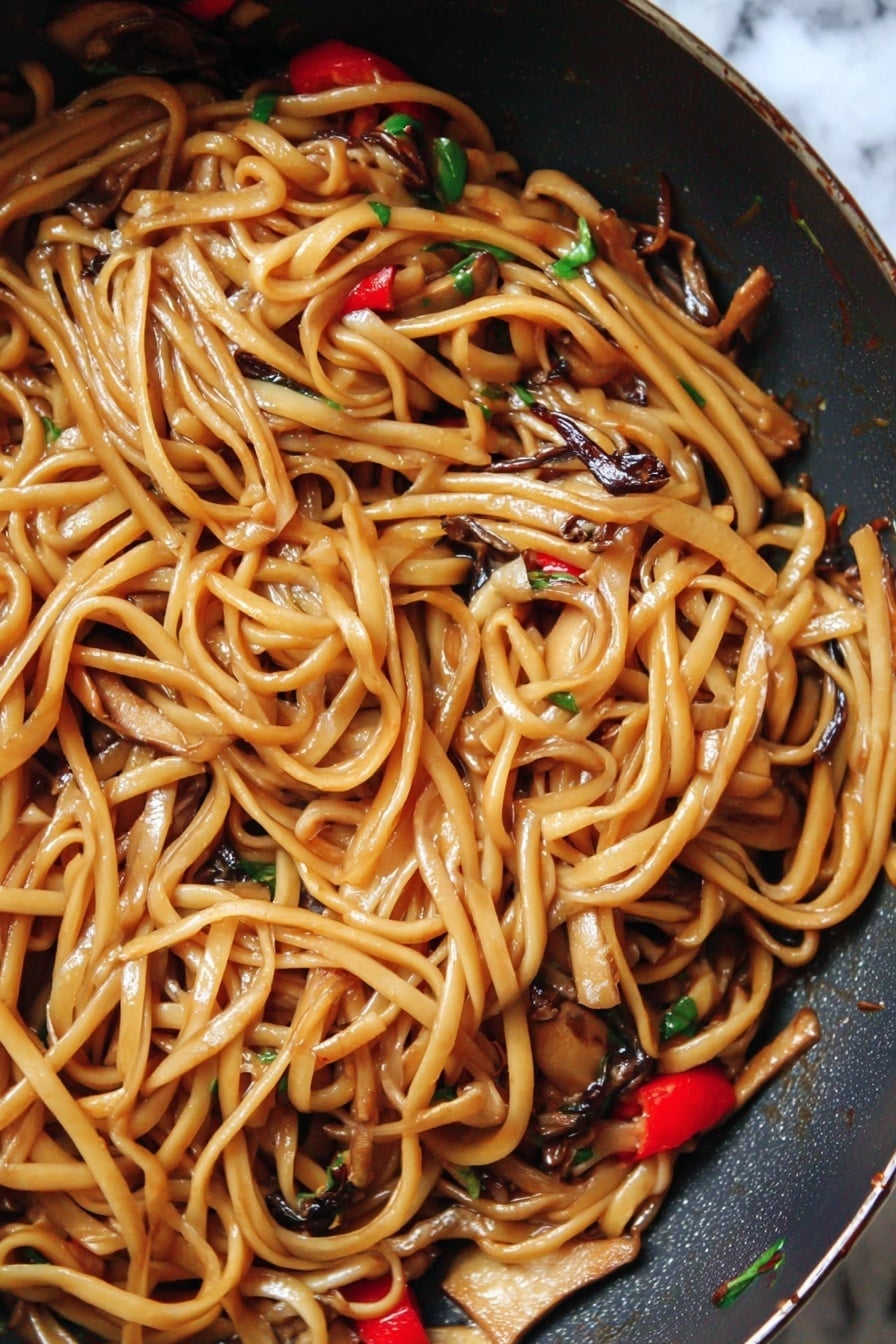
I’m a big fan of finishing this dish with the green parts of scallions for that fresh pop and some crunchy roasted cashews or peanuts. Sometimes I add a light sprinkle of toasted sesame seeds or a drizzle more of sesame oil to kick it up a notch. These little touches make every bite feel special.
Side Dishes
Pair this saucy pasta with a light cucumber salad, steamed broccoli with garlic, or even some simple stir-fried greens. The crisp veggies help balance the rich, spicy sauce wonderfully.
Creative Ways to Present
For dinner parties, I love serving Vegan Kung Pao Pasta Recipe in shallow bowls, garnished with extra chopped scallions and nuts, alongside small dipping bowls of chili oil or soy sauce for guests to customize their spice level. It’s colorful and inviting—plus, it looks way fancier than the 20 minutes it takes to make!
Make Ahead and Storage
Storing Leftovers
I store any leftover Kung Pao pasta in an airtight container in the fridge for up to 3 days. Because the pasta absorbs the sauce as it sits, I often add a splash of reserved pasta water before reheating to bring back its saucy goodness.
Freezing
Freezing works okay but I’ve found the sauce thins out a bit after thawing. If you want to freeze, portion the pasta into freezer bags and freeze for up to 2 months. Thaw overnight in the fridge before reheating gently to avoid drying out.
Reheating
Reheat gently on the stovetop over low heat or in the microwave with a splash of water or broth to keep the sauce loose. Stir often until hot—but don’t overdo it, or the pasta will get mushy.
FAQs
-
Can I use other types of pasta for this Vegan Kung Pao Pasta Recipe?
Absolutely! While I prefer linguine or spaghetti because they hold the sauce nicely, feel free to use penne, fusilli, or any pasta you have on hand. Just remember that thinner pasta cooks faster, so adjust your cooking time accordingly.
-
Is doubanjiang very spicy? Can I substitute it?
Doubanjiang carries a moderate heat with a savory depth. If you’re sensitive to spice, use less or swap it for a milder chili paste or even some tomato paste with chili flakes. The key is to keep that umami punch, so taste as you go.
-
What if I don’t have Shaoxing wine?
No worries—you can omit it or substitute with dry sherry, sake, or even a splash of apple cider vinegar for acidity. It adds complexity but isn’t essential for the sauce to shine.
-
Can this recipe be made gluten-free?
Yes, simply swap the soy sauce for tamari or coconut aminos and choose your favorite gluten-free pasta. The flavor will be very close, and just as satisfying!
-
How spicy is this dish, really?
This dish has a nice medium heat on my scale—enough to tingle but not overwhelm—but you can tailor it by adjusting the dried chiles and doubanjiang amount. The Szechuan peppercorns add numbing spice, which gives a unique sensation rather than heat.
Final Thoughts
This Vegan Kung Pao Pasta Recipe quickly became one of my staples because it’s flavorful, fast, and so adaptable. I love how it brings together savory, spicy, and tangy notes in a way that feels both comforting and exciting. If you want to impress yourself and anyone you cook for with a dish that’s far from ordinary, give this a try—you won’t regret it. Plus, it’s a fantastic reminder that plant-based cooking can be just as vibrant and satisfying as the classics we grew up loving.
Print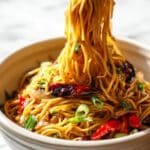
Vegan Kung Pao Pasta Recipe
- Prep Time: 5 minutes
- Cook Time: 15 minutes
- Total Time: 20 minutes
- Yield: 2 servings
- Category: Main Dish
- Method: Stovetop
- Cuisine: Chinese Fusion
- Diet: Vegan
Description
Vegan Kung Pao Pasta is a delightful fusion dish combining the bold, spicy, and savory flavors of traditional Kung Pao sauce with the comforting texture of pasta. This recipe features a tangy, spicy sauce made from chili bean paste, soy sauce, and Szechuan peppercorns, tossed with sautéed mushrooms, bell peppers, and scallions for a saucy, umami-packed meal that’s perfect for a quick weeknight dinner or a satisfying vegan feast.
Ingredients
Sauce
- 1/2 cup water
- 1.5-2 tbsp sugar (adjust according to desired sweetness)
- 1 tbsp soy sauce
- 1 tsp dark mushroom soy sauce (optional for colour)
- 1 tbsp doubanjiang (or chili bean paste)
- 2 tsp Chinese black vinegar (or Chinkiang vinegar)
- 1 tbsp Shaoxing wine (or other rice wine like sake, optional)
- 1/2-1 tsp Szechuan peppercorns (crushed)
Slurry
- 1/2 tbsp cornstarch
- 1 tbsp room temperature water
Pasta and Vegetables
- 4.5 oz dry pasta of choice (linguine or spaghetti recommended)
- Salt (to seasoning and pasta water)
- Olive oil (for pasta water to prevent sticking)
- 1 tbsp neutral oil (for cooking)
- 1/2 small onion, diced
- 2 scallions or green onions, sliced into 2-inch pieces (white and green parts separated)
- 1 cup chopped mushrooms (king oyster mushrooms recommended plus extra for topping, optional)
- 1/2 small red bell pepper, diced
- 3 dried chiles (arbor chiles used, optional)
- Roasted cashews or peanuts (for garnish)
- Green parts of the scallion or green onions (for garnish)
- Drizzle of sesame oil
Instructions
- Prepare the sauce: In a bowl, mix together water, sugar, soy sauce, dark mushroom soy sauce, doubanjiang, Chinese black vinegar, Shaoxing wine, and crushed Szechuan peppercorns. Adjust sweetness and spice to your preference.
- Make the cornstarch slurry: In a separate small bowl, blend cornstarch with water until fully diluted. Set aside alongside the sauce.
- Cook the pasta: Boil a pot of water. Add a generous amount of salt and some olive oil to prevent sticking. Cook pasta until al dente or chewy to your preference, then drain, reserving some pasta water.
- Sauté the vegetables: Heat a pan over medium heat and add neutral oil. Sauté diced onion, white parts of scallions, diced red bell pepper, and mushrooms until they are cooked through and tender. Add dried chiles if using for extra heat.
- Simmer the sauce: Pour the prepared sauce into the pan with the vegetables and allow it to simmer on medium heat until it starts to boil.
- Add pasta and thicken sauce: Add cooked pasta to the simmering sauce. Stir the cornstarch slurry again to ensure it’s smooth, then pour it over the pasta mixture. Cook over medium heat, stirring frequently, until the sauce thickens and coats the pasta well.
- Finish cooking: Let the pasta cook for a few more minutes to absorb the sauce. Stir in roasted cashews or peanuts along with the green parts of the scallions. Adjust seasoning with salt or sugar if needed. Add reserved pasta water if reheating later, as the pasta will absorb the sauce as it cools.
- Serve: Turn off the heat and top the dish with any additional pan-fried mushrooms. Drizzle with sesame oil and serve immediately while hot for the best flavor and texture.
Notes
- This Kung Pao Pasta is saucy and bursting with umami flavor; adding more veggies or different types of mushrooms can customize it to your liking.
- Doubanjiang is key for authentic flavor, but chili bean paste can be substituted.
- Szechuan peppercorns provide a unique numbing spice, but adjust quantity to your tolerance.
- If reheating leftovers, adding pasta water helps prevent dryness as the pasta absorbs the sauce over time.
Nutrition
- Serving Size: 1 serving
- Calories: 406 kcal
- Sugar: 15 g
- Sodium: 689 mg
- Fat: 9 g
- Saturated Fat: 1 g
- Unsaturated Fat: 7 g
- Trans Fat: 1 g
- Carbohydrates: 69 g
- Fiber: 5 g
- Protein: 12 g
- Cholesterol: 0 mg