

If you’ve been craving something that delivers bold flavor and satisfying comfort all in one bowl, I’ve got you covered. This Korean Beef Rice Bowls with Gochujang Mayo Recipe is seriously one of my go-to meals when I want quick, tasty, and a bit exciting. The spicy-sweet beef paired with creamy, slightly spicy gochujang mayo makes each bite irresistible — trust me, you’ll want to keep this one on rotation!
Why You’ll Love This Recipe
- Easy Weeknight Meal: Takes only about 20 minutes from start to finish, perfect for busy days.
- Bold, Balanced Flavors: Sweet, savory, spicy, and tangy all in one bowl, hitting every crave-worthy note.
- Customizable Toppings: Fresh cucumbers, carrots, and kimchi add bright crunch and texture.
- No Fancy Ingredients Needed: Simple pantry staples with just a touch of Korean flair make this approachable for everyone.

Ingredients You’ll Need
Each ingredient here plays a part in creating this rich and vibrant dish. From the savory ground beef to the tangy kimchi, everything comes together beautifully. Don’t forget the gochujang — it’s the secret to that punchy Korean flavor!
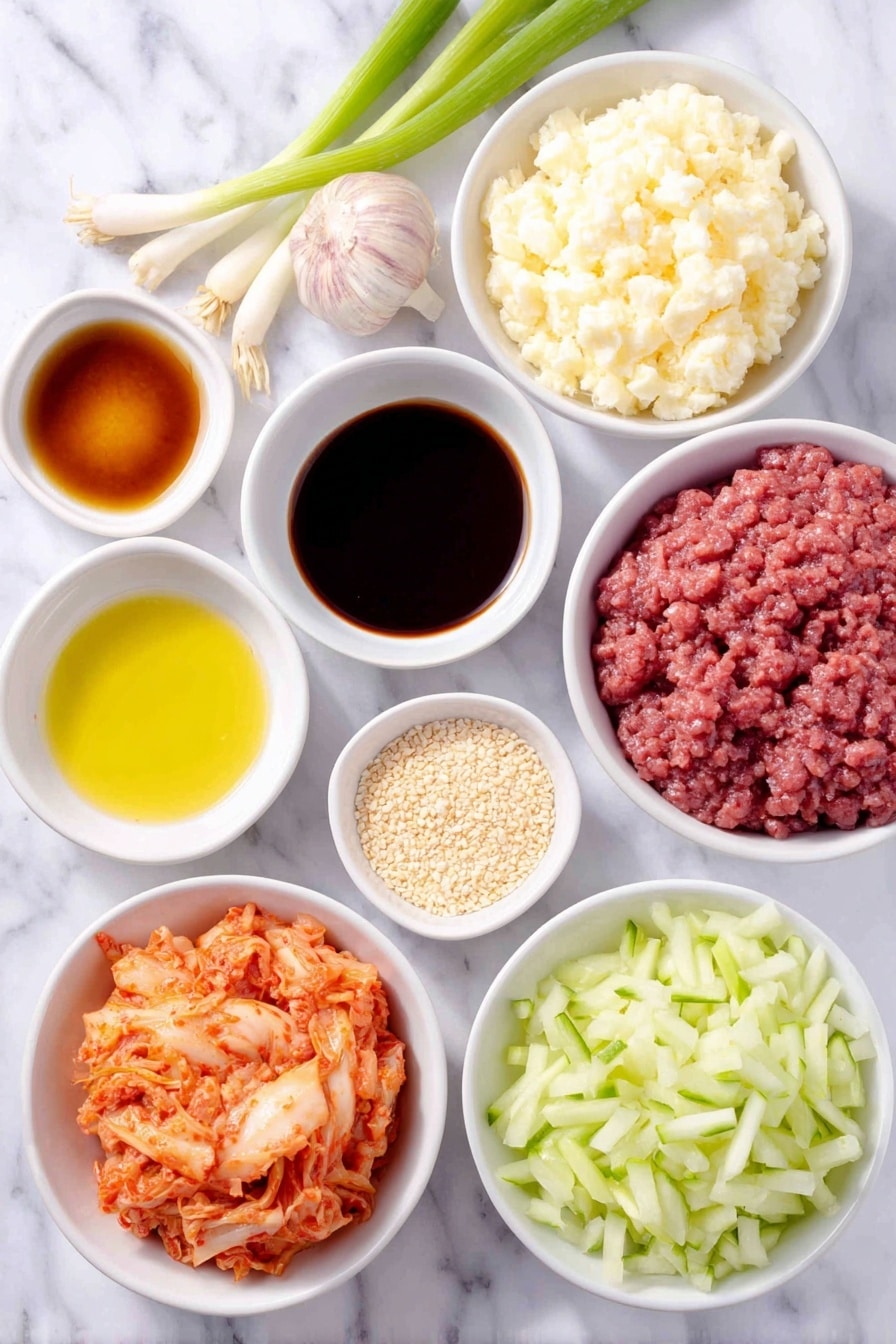
- Freshly grated garlic: Adds a sharp, aromatic base to the sauce — freshly grated always hits better than pre-minced.
- Freshly grated ginger: Brings a bright, zesty warmth that balances the sweetness beautifully.
- All-purpose soy sauce: The salty umami backbone for the beef marinade.
- Brown sugar: Sweetens and helps caramelize the beef for a subtle depth.
- Sesame oil: Adds nutty richness and authentic Korean aroma.
- Gochujang: The spicy fermented chili paste that gives it that signature kick — adjust the amount if you prefer milder or stronger heat.
- Rice vinegar: Provides a mild acidity that brightens up the overall profile.
- Sesame seeds: For toasty crunch inside the beef and as a garnish.
- Extra-virgin olive oil or neutral oil: For cooking the beef — neutral oil helps keep flavors pure.
- Minced (ground) beef: I use lean to medium fat — leaner beef works if you want less grease.
- Spring onions (scallions): Adds fresh bite; I like to reserve some for garnish because it pops visually and flavor-wise.
- Whole-egg mayonnaise: Key ingredient in the creamy gochujang mayo drizzle — see notes if you want dairy-free.
- Cooked jasmine rice: Fragrant, fluffy base that soaks up all those flavors magnificently.
- Kimchi: Easily my favorite condiment here — it adds tang, spice, and crunch.
- Carrot (julienned): Fresh and sweet crisp elements to refresh your palate.
- Lebanese (short) cucumber: Cool and crunchy, sliced into half moons for contrast.
Variations
I love making this Korean Beef Rice Bowls with Gochujang Mayo Recipe my own by switching up the toppings and protein sometimes. It’s so flexible that you can truly make it your favorite version.
- Protein Swap: I’ve tried ground turkey or chicken when I want a leaner option, and it works great with the same sauce.
- Veggie Boost: Adding sautéed mushrooms or spinach gives it some extra veggies without losing flavor balance.
- Dairy-Free Mayo: For dairy-free, I substitute with vegan mayo and it still gets that creamy kick.
- Milder Heat: Reduce gochujang or replace with a milder chili paste if you prefer less spice — you can always add more at the table!
How to Make Korean Beef Rice Bowls with Gochujang Mayo Recipe
Step 1: Whisk Together the Sauce
Start by combining freshly grated garlic, ginger, soy sauce, brown sugar, sesame oil, gochujang, rice vinegar, and sesame seeds in a small bowl. Whisk until everything’s well mixed and the sugar starts to dissolve. This sauce is what transforms your simple beef into something spectacular, so make sure it’s evenly combined for that perfect balance of sweet, salty, and spicy flavors.
Step 2: Cook the Beef
Heat your oil over medium-high heat in a large frying pan. Add the ground beef and brown it, breaking it up with your spatula as it cooks. You’ll want your beef nicely browned but not overcooked — about 6-8 minutes usually does the trick. This step locks in flavor and creates some tasty bits for the sauce to cling to.
Step 3: Add the Sauce and Simmer
Pour the sauce you whisked earlier into the beef. Stir well so every bit of meat gets covered in that rich, spicy-sweet glaze. Keep it simmering gently for 2-3 minutes until the sauce thickens just a bit—this gives it a sticky, appetizing texture. Turn off the heat and toss in most of the sliced spring onions, saving some for garnish.
Step 4: Make the Gochujang Mayo
While the beef finishes cooking, whisk together mayonnaise, gochujang, sesame oil, and rice vinegar in a small bowl until smooth. This creamy drizzle is what takes the dish from great to unforgettable. If you like things extra spicy, feel free to add a bit more gochujang here.
Step 5: Assemble Your Bowls
Divide the cooked jasmine rice between four bowls. Top with a generous spoonful of the Korean beef mixture, followed by fresh kimchi, julienned carrots, and sliced cucumber. Finish everything off with a drizzle of that luscious gochujang mayo, sprinkle over some extra sesame seeds, and the reserved spring onions. Serve immediately — I love how all the textures and flavors come alive right then and there.
Pro Tips for Making Korean Beef Rice Bowls with Gochujang Mayo Recipe
- Use Fresh Aromatics: Freshly grated garlic and ginger make all the difference in flavor over pre-minced versions.
- Don’t Overcrowd Your Pan: Cook the beef in a single layer for best browning—too much in the pan will steam instead of brown.
- Adjust Gochujang to Taste: If you’re new to Korean spice, start with less gochujang and add more into your mayo drizzle later as desired.
- Reserve Garnishes: Adding fresh scallions and sesame seeds just before serving brightens the bowl and adds fresh crunch.
How to Serve Korean Beef Rice Bowls with Gochujang Mayo Recipe

Garnishes
I always top these bowls with extra sliced spring onions and a sprinkle of toasted sesame seeds. Sometimes I add a handful of fresh cilantro or a squeeze of lime for a little zing. The bright garnishes really lift the dish and add a fresh contrast to the rich beef and creamy mayo.
Side Dishes
Pair your Korean Beef Rice Bowls with a simple cucumber salad or some steamed greens like bok choy. For a crunchy, tangy side, I love serving extra kimchi or pickled radishes on the side — they’re perfect palate cleansers.
Creative Ways to Present
For a party or special occasion, I’ve served these beef bowls in small mason jars layered with rice, beef, and toppings. It’s a fun way to make casual dining feel a bit elevated. You can also turn this into lettuce cups for a fresh, hands-on experience that everyone enjoys.
Make Ahead and Storage
Storing Leftovers
I like to keep leftover beef and rice separate in airtight containers in the fridge. This prevents the rice from getting soggy overnight and keeps the beef flavorful. Stored properly, they last about 3-4 days.
Freezing
Freezing this dish works well if you freeze the cooked beef mixture on its own and thaw it when needed. Rice is better freshly made but you can freeze it too — just reheat it thoroughly with a splash of water to keep it fluffy.
Reheating
Reheat the beef gently on the stove or in the microwave, stirring occasionally to heat evenly. For the rice, I warm it with a sprinkle of water covered loosely with a lid or microwave-safe wrap to keep moisture in. Avoid reheating the gochujang mayo — add it fresh on top when serving.
FAQs
-
Can I use other meats instead of ground beef in the Korean Beef Rice Bowls with Gochujang Mayo Recipe?
Absolutely! Ground turkey, chicken, or even pork work well with the sauce. Just adjust cooking times as needed since different meats have varying fat content and cook differently.
-
How spicy is the gochujang mayo, and can I make it milder?
The gochujang mayo has a pleasant kick but isn’t overpowering for most palates. If you prefer milder heat, reduce the gochujang or mix the mayo with a little extra mayonnaise to tone down the spice.
-
Is this recipe suitable for meal prepping?
Yes! The beef and rice can be cooked ahead and stored separately for easy meal prep. Add fresh veggies and gochujang mayo just before serving to keep everything tasting fresh.
-
Can I make this recipe dairy-free?
Definitely. Substitute the whole-egg mayonnaise for a dairy-free or vegan mayo alternative. The dish still tastes amazing and keeps that creamy element.
Final Thoughts
I have to say, the Korean Beef Rice Bowls with Gochujang Mayo Recipe is hands down one of those meals that never fails to impress, yet is incredibly simple to whip up. Whether it’s a weeknight dinner or a casual gathering with friends, this bowl brings warmth, spice, and texture in every bite. I hope you’ll give it a try soon—and when you do, I’d love to hear how you make it your own!
Print
Korean Beef Rice Bowls with Gochujang Mayo Recipe
- Prep Time: 10 minutes
- Cook Time: 10 minutes
- Total Time: 20 minutes
- Yield: 4 servings
- Category: Main Course
- Method: Frying
- Cuisine: Korean
Description
Quick and flavorful Korean Beef Rice Bowls featuring savory ground beef cooked in a rich gochujang soy sauce, served over fluffy jasmine rice with tangy kimchi, fresh vegetables, and drizzled with a creamy gochujang mayo. This easy weeknight meal is packed with bold Korean flavors and customizable toppings, perfect for a satisfying dinner.
Ingredients
Beef and Sauce
- 1 tsp freshly grated garlic
- 1 tsp freshly grated ginger
- 3 tbsp all-purpose soy sauce
- 2 tbsp brown sugar
- 1 tbsp sesame oil
- 1 tbsp gochujang (adjust for spice preference)
- 1 tsp rice vinegar
- 1 tbsp sesame seeds, plus extra to garnish
- 2 tbsp extra-virgin olive oil or neutral oil
- 500 g (1 lb) minced (ground) beef
- 2 spring onions (scallions), finely sliced, 1 tbsp reserved for garnish
Gochujang Mayo
- 3 tbsp whole-egg mayonnaise
- 1 tsp gochujang
- ½ tsp sesame oil
- ½ tsp rice vinegar
Assembly and Toppings
- 2 cups (370 g) cooked jasmine rice
- 1 cup (240 g) kimchi
- 1 carrot, julienned
- 1 Lebanese (short) cucumber, sliced into half moons
Instructions
- Make the stir-fry sauce: In a small bowl, whisk together the grated garlic, grated ginger, soy sauce, brown sugar, sesame oil, gochujang, rice vinegar, and sesame seeds until fully combined. Set the sauce aside.
- Cook the beef: Heat olive oil or neutral oil in a large frying pan over medium–high heat. Add the minced beef and cook, breaking it up with a spoon, until browned and cooked through.
- Add the sauce to the beef: Pour the prepared stir-fry sauce over the browned beef. Stir thoroughly to coat the meat evenly. Allow the mixture to simmer for 2–3 minutes until the sauce thickens slightly. Turn off the heat and stir in the sliced spring onion.
- Prepare the gochujang mayo: In a small bowl, whisk together the mayonnaise, gochujang, sesame oil, and rice vinegar until smooth. Set aside.
- Assemble the bowls: Divide the cooked jasmine rice evenly among four bowls. Top each bowl with a generous portion of the Korean beef mixture, then add the kimchi, julienned carrot, and sliced cucumber on top.
- Add finishing touches: Drizzle the creamy gochujang mayo over the top of each bowl. Garnish with extra sesame seeds and the reserved spring onion slices. Serve immediately for best flavor and texture.
Notes
- This recipe is quick, bold, and satisfying, ideal for a flavorful weeknight meal.
- The gochujang mayo drizzle adds a creamy, spicy element; adjust the amount of gochujang based on your spice preference.
- For dairy-free mayo, substitute with a vegan or egg-free mayonnaise.
- You can customize toppings by adding avocado, radish, or fresh herbs like cilantro for extra freshness.
Nutrition
- Serving Size: 1 bowl (approx. 1/4 recipe)
- Calories: 516
- Sugar: 9.1 g
- Sodium: 782.1 mg
- Fat: 24.2 g
- Saturated Fat: 4.9 g
- Unsaturated Fat: 18.8 g
- Trans Fat: 0.1 g
- Carbohydrates: 41.8 g
- Fiber: 2.5 g
- Protein: 32.6 g
- Cholesterol: 79.3 mg