
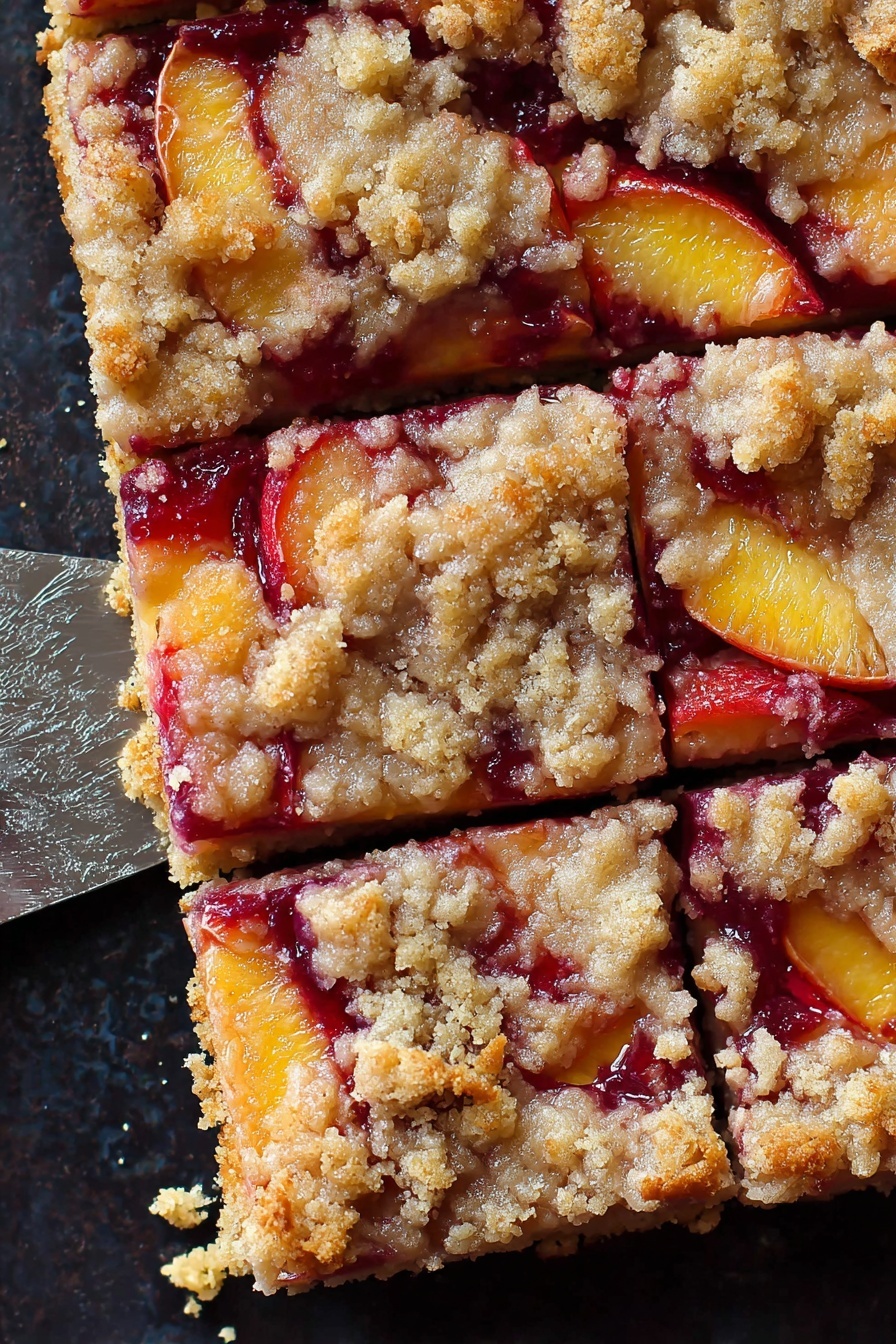
If you’re a fan of cozy, comforting desserts with a bit of old-world charm, you’re going to adore this German Plum Cake with Yeast Crust Recipe. It’s a real gem from southern Germany, known as Zwetschgenkuchen, and it features a pillowy yeast dough base topped with juicy Italian plums and a buttery streusel crumble. Trust me, once you try this, it’ll become your go-to when you want something that’s both classic and ridiculously satisfying. Keep reading and I’ll share everything you need to nail it perfectly!
Why You’ll Love This Recipe
- Authentic Flavor: This cake captures the traditional taste of German Zwetschgenkuchen with a wonderfully soft yeast crust and sweet-tart plums.
- Perfectly Balanced Texture: The combination of fluffy dough and crumbly streusel topping creates such a delightful contrast in every bite.
- Simple Ingredients: You only need pantry staples and fresh plums to make this impressive dessert come together.
- Family Favorite: It always brings smiles and many requests for seconds at my house!

Ingredients You’ll Need
The ingredients for this German Plum Cake with Yeast Crust Recipe come together beautifully to create that irresistible balance of soft, fruity, and crumbly goodness. I like to use ripe but firm Italian plums for the best flavor and texture — and trust me, a good quality vanilla extract makes a subtle but noticeable difference!
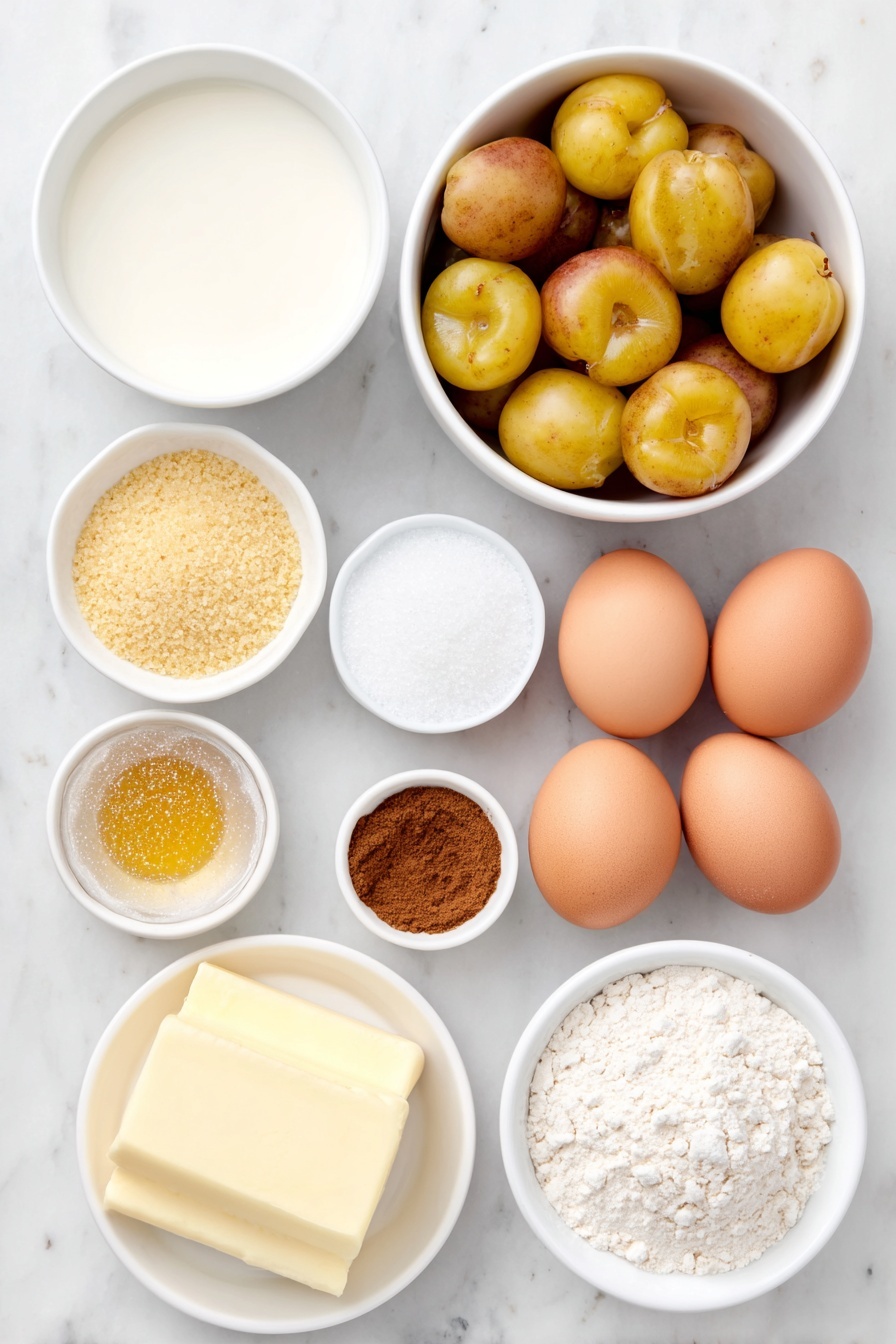
- Italian plums: Look for fresh, ripe but firm plums; they hold up well during baking and aren’t overly juicy.
- Warm milk: Start with 3/4 cup and keep some extra handy to adjust dough consistency as you mix.
- Dry active yeast: Make sure it’s fresh and active—proof it in the warm milk to see it froth.
- All-purpose flour: Provides structure for the yeast crust, so measure carefully and avoid over-flouring.
- Sugar: Just enough to sweeten the dough and topping without overpowering the plums.
- Salt: Enhances the flavors in the dough.
- Butter: Melted but not hot for the dough and softened for the streusel topping—don’t skip room temperature butter here.
- Eggs: Bring richness and help with that tender crumb.
- Vanilla extract: Adds warmth and depth to the dough’s flavor.
- Ground cinnamon: Blended into the streusel for a cozy aromatic note.
Variations
I love how this German Plum Cake with Yeast Crust Recipe is so flexible—once you get comfy with the basics, you can mix it up to suit your taste or whatever you have on hand. Don’t be afraid to make it your own!
- Swap plums for other stone fruits: When plums aren’t in season, peaches or nectarines work wonderfully, though the flavor changes slightly.
- Add a splash of almond extract: I sometimes substitute half the vanilla with almond extract for a rich, nutty twist that my family adores.
- Make it gluten-free: I’ve had success using a gluten-free all-purpose flour blend, just watch the liquid ratio as the dough might absorb differently.
- Light streusel topping: If you prefer less crumble, try sprinkling chopped nuts on top instead for crunch without extra sweetness.
How to Make German Plum Cake with Yeast Crust Recipe
Step 1: Activate Your Yeast and Make the Dough
First things first—dissolve your yeast in 3/4 cup of warm milk. You’ll want it at about body temperature, not too hot or you’ll kill the yeast. After 5-10 minutes, you should see it frothing and bubbling, which means it’s alive and ready. Next, toss your flour, sugar, and salt into the mixing bowl along with the yeast mixture, melted butter (make sure it’s cooled to warm, not hot!), eggs, and vanilla extract. Mix on low with a dough hook, gradually adding that last 1/4 cup of milk if the dough feels too stiff. You’ll know it’s right when it feels sticky but still holds together, kind of like a thick batter—not a traditional ball of bread dough. This sticky texture is actually what gives the crust its wonderful lightness after baking.
Step 2: Let It Rise Until Puffy and Puffy
Cover the dough loosely with plastic wrap and pop it in a warm, draft-free spot—your oven with just the light on is perfect. Give the dough about an hour to double in size. This rise is key to developing that signature airy texture. I used to get impatient here, but waiting truly makes a huge difference in the final cake.
Step 3: Preparing the Pan and Shaping the Dough
Butter a large, extended baking sheet—ideally a German Backblech or any big jelly roll pan you have with at least 18-inch length and 1-inch sides. This large surface area lets the plum cake bake to that delightfully thin, crusty base. The dough is sticky and a bit resistant, so use your hands to spread it out all the way across the pan, pushing it up the sides as best you can. Don’t worry if it’s a little stubborn; once you add the plums, they’ll help keep it in place.
Step 4: Layer On the Plums and Let Rise Again
Arrange your quartered Italian plums tightly in rows over the dough. If you like your cake a touch sweeter, sprinkle a little sugar or cinnamon-sugar lightly over the fruit—just don’t go overboard because too much sugar can make your cake watery and cause that lovely streusel topping to melt prematurely. Let the assembled cake rise for up to another hour in a warm place—this second rise helps soften the fruit and meld the flavors.
Step 5: Make the Streusel and Bake
While the cake is rising, whip up your streusel topping by mixing flour, sugar, cinnamon, and softened butter with your fingers until it looks like clumpy, sandy crumbs. Sprinkle this generously over the top of the plums and bake on the middle rack in a preheated 350°F oven for about 30-35 minutes. When the streusel is golden and the cake edges are pulling away slightly from the pan, you’ll know it’s ready. Let the cake cool for at least 10 minutes—it allows the juices to set so your pieces won’t be soggy when you slice.
Pro Tips for Making German Plum Cake with Yeast Crust Recipe
- Check Your Yeast’s Freshness: If your yeast doesn’t foam in the milk, it might be time to toss it and get fresh—old yeast means a flat dough.
- Don’t Overwork the Dough: This dough should be sticky and loose; trying to knead it like bread dough will make it tough.
- Use Ripe but Firm Plums: Juicy plums can release too much liquid, so pick ones that hold their shape for the best texture.
- Watch Your Oven Temperature: Bake on the middle rack and avoid opening the door early to prevent sinking or uneven browning.
How to Serve German Plum Cake with Yeast Crust Recipe
Garnishes
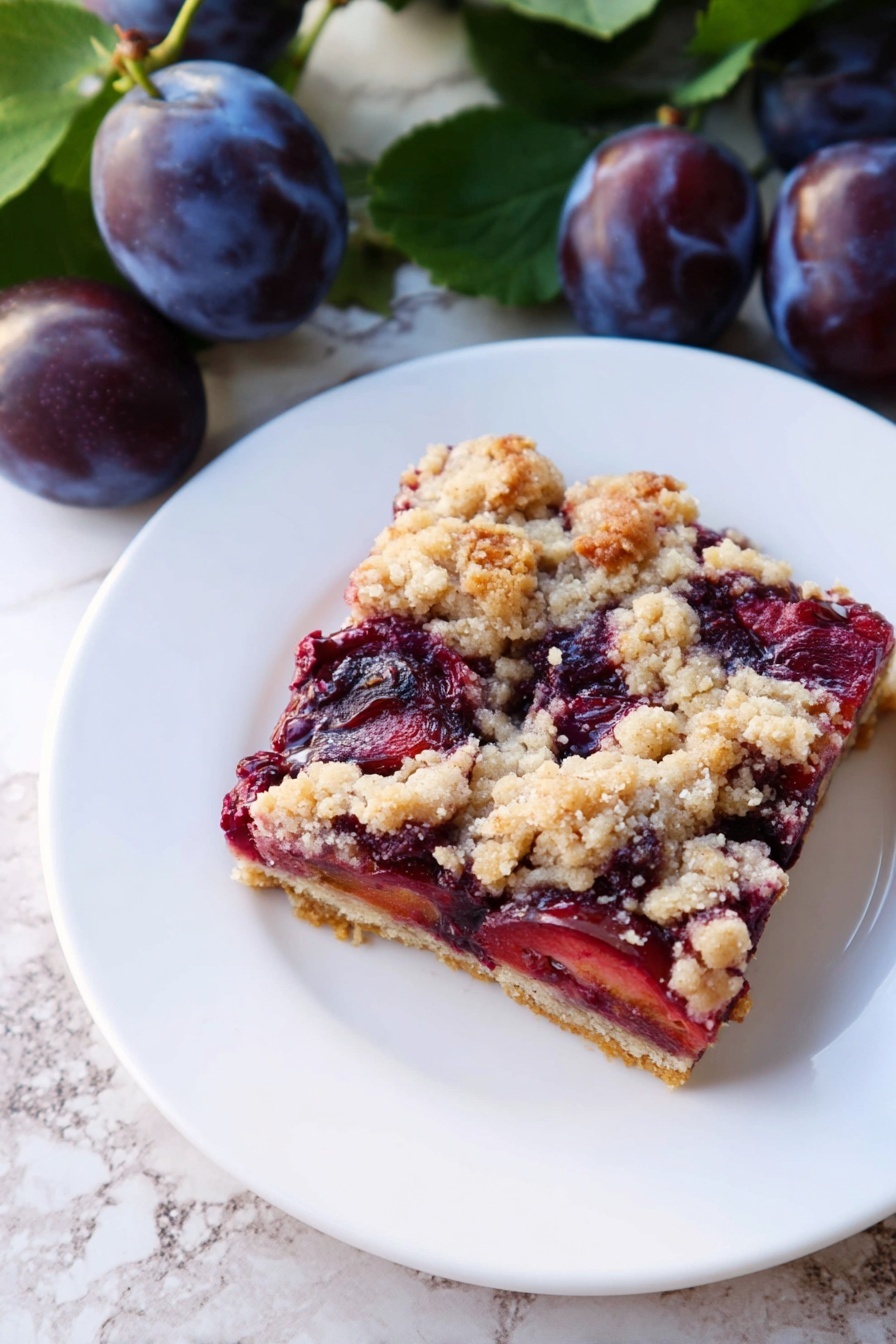
I love to dust this cake lightly with powdered sugar just before serving—it adds a pretty touch and a little extra sweetness. Sometimes I dollop on some freshly whipped cream or even a scoop of vanilla ice cream when I want to elevate this into a special dessert. The cool creaminess balances the warm, soft cake so beautifully.
Side Dishes
This cake pairs delightfully with a simple cup of strong coffee or black tea. If you’re serving brunch, try it alongside scrambled eggs or light cheese plates—it’s a nice sweet contrast to savory dishes.
Creative Ways to Present
For a festive occasion, I’ve trimmed the cake into neat squares and arranged them on a rustic wooden board with fresh plum slices and sprigs of mint. It’s simple but always gets “wow” comments! You could also drizzle a thin glaze of powdered sugar and lemon juice over the top to add a subtle zing and shiny finish.
Make Ahead and Storage
Storing Leftovers
Wrap any leftover German Plum Cake tightly in plastic wrap or store in an airtight container at room temperature. It stays fresh and delicious for about 2 days this way—though I usually don’t have leftovers hanging around that long!
Freezing
I’ve frozen slices wrapped individually in plastic wrap and placed inside a freezer-safe bag. When thawed at room temperature, the cake retains most of its original texture and flavor. Just keep in mind the streusel topping might lose a bit of its crispness after freezing.
Reheating
To reheat, I pop a slice in a toaster oven or regular oven at 300°F for about 8–10 minutes—this revives that fresh-from-the-oven scent and texture better than the microwave, which can turn the crust soggy.
FAQs
-
Can I use fresh plums other than Italian plums in this German Plum Cake with Yeast Crust Recipe?
Absolutely! While Italian plums are ideal due to their firm texture and flavor, you can substitute other varieties like European plums or even pluots. Just look for ones that are ripe but not overly soft to avoid excess moisture that could make the cake soggy.
-
What type of pan is best for baking this German Plum Cake with Yeast Crust Recipe?
Traditionally, a German Backblech—a long, shallow sheet pan—is used because it allows the dough to spread thin for a perfect crust. If you don’t have one, a large jelly roll pan with at least 18-inch length and 1-inch sides works well too.
-
Can I make this cake without a stand mixer?
Yes! You can mix and knead the dough by hand, though because it’s sticky and batter-like, it can be a bit messy. Using a sturdy wooden spoon for initial mixing and then your hands to fold and incorporate is the way to go. Just be gentle and avoid adding too much extra flour.
-
How do I know when the yeast dough is properly risen?
The dough should roughly double in size, and when you poke it gently with a finger, the indentation should bounce back slowly. If it springs back quickly or not at all, it either needs more rising time or might be overproofed.
-
What can I serve alongside German Plum Cake for a perfect dessert experience?
Traditional accompaniments include a dollop of fresh whipped cream, a scoop of vanilla ice cream, or even a simple dusting of powdered sugar. Tea or coffee are the perfect beverages to enjoy alongside.
Final Thoughts
This German Plum Cake with Yeast Crust Recipe is truly one of those special treats that feels both nostalgic and homemade-elegant. I absolutely love how it fills the house with that warm, inviting aroma and how the combination of the yeast crust with juicy plums and buttery streusel just sings with every bite. Whether you’re baking it for a casual family afternoon or a sweet ending to a dinner party, I know you’ll find it as rewarding and delicious as I do. So go ahead, grab your plums, and dive into this timeless German favorite—I promise it’s worth every minute of that rise time!
Print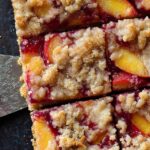
German Plum Cake with Yeast Crust Recipe
- Prep Time: 120 minutes
- Cook Time: 30 minutes
- Total Time: 150 minutes
- Yield: 12 servings
- Category: Dessert
- Method: Baking
- Cuisine: German
Description
German Plum Cake (Zwetschgenkuchen) is a classic Southern Swabian dessert featuring a soft yeast dough base, topped with juicy Italian plums and finished with a rich buttery streusel. This cake balances the sweet and tart flavors with a tender crumb and a crisp, crumbly topping, perfect for autumn or any time you crave a comforting fruit dessert.
Ingredients
Dough
- 3+ pounds Italian plums, cut into quarters, pits removed
- 1 cup warm milk (start with 3/4 cup and add extra to dough as needed)
- 1 1/2 tablespoons dry active yeast
- 4 cups all-purpose flour
- 3/4 cup sugar
- 1/2 teaspoon salt
- 1 stick butter (1/2 cup melted but not hot)
- 2 eggs
- 1 teaspoon quality pure vanilla extract
Streusel
- 1 cup all-purpose flour
- 1 cup sugar
- 1 teaspoon ground cinnamon
- 1/2 cup butter, at room temperature
Instructions
- Activate yeast: Dissolve the dry active yeast into 3/4 cup of warm milk and let it sit for 5-10 minutes until it becomes frothy, indicating the yeast is active.
- Make the dough: In a stand mixer bowl, combine the flour, sugar, and salt. Pour in the yeast mixture, melted warm butter (not hot), eggs, and vanilla extract. Stir briefly to combine, then attach the dough hook and knead on bread setting “2” for 4-5 minutes. Add the remaining 1/4 cup milk as needed. The dough will be sticky and more like a thick batter than firm dough.
- First rise: Cover the dough loosely with plastic wrap and place it in a warm, draft-free area to rise until doubled in size, about 1 hour.
- Prepare baking pan: Generously butter a German Backblech or a large jelly roll pan (at least 18 inches long with 1-inch sides). This will help prevent sticking and give the cake the right thickness.
- Shape the dough: Using your hands, spread the sticky dough evenly across the full length of the pan, pressing it up against the sides. It will resist, but keep pushing it into shape. The upcoming plums will help hold the dough in place.
- Arrange plums: Lay the quartered plums close together in rows on top of the dough, covering the entire surface. Optionally, sprinkle lightly with sugar or cinnamon sugar for added sweetness, but use sparingly to avoid excess moisture during baking.
- Second rise: Let the assembled cake rise in a warm place for up to another hour.
- Make the streusel: In a medium bowl, combine flour, sugar, cinnamon, and room temperature butter. Use your fingers to blend until the mixture forms a rough, crumbly texture with clumps.
- Top with streusel: Evenly sprinkle the streusel mixture over the plums on the cake.
- Bake: Preheat the oven to 350°F (175°C). Place the cake on the middle rack and bake for 30-35 minutes, or until the streusel topping is golden brown.
- Cool and serve: Allow the cake to cool for at least 10 minutes so excess liquid sets. Slice into squares and serve warm or at room temperature.
Notes
- Originating from the southern Swabian region of Germany, this cake showcases the traditional yeast dough base characteristic of German baking.
- Use Italian plums for their perfect balance of sweetness and tartness—other plums may alter the final flavor and moisture.
- Be cautious with added sugar on top of the fruit to avoid excess liquid that can soften the streusel.
- The dough is sticky and soft, more batter-like, so work with wet or buttered hands to spread it easily in the pan.
- If you don’t have a Backblech pan, a similarly sized jelly roll pan works well.
Nutrition
- Serving Size: 1 serving
- Calories: 391 kcal
- Sugar: 30 g
- Sodium: 177 mg
- Fat: 9 g
- Saturated Fat: 5 g
- Unsaturated Fat: 4 g
- Trans Fat: 0 g
- Carbohydrates: 71 g
- Fiber: 1 g
- Protein: 6 g
- Cholesterol: 47 mg