

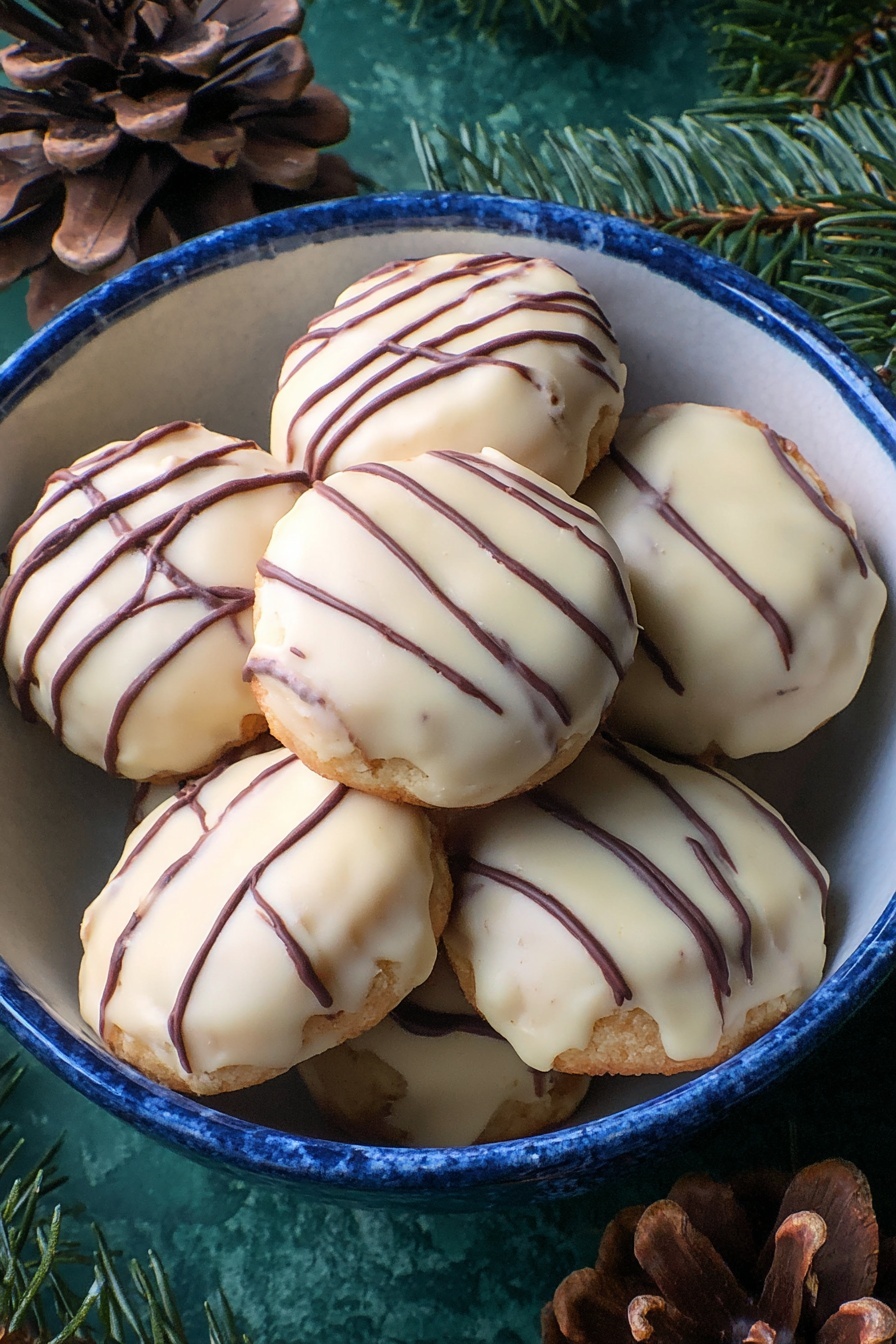
If you’ve been searching for that perfect festive treat to fill your kitchen with warmth and spice, I’ve got just the thing for you. This German Pfeffernüsse Cookies Recipe is one of my all-time favorites during the holiday season—tiny, flavorful spice cookies that pack a punch without being overpowering. They’re soft, chewy, and absolutely addicting once you get a taste. Trust me, once you try this recipe, these little peppernuts will become your go-to cookie for Christmas gatherings and cozy winter evenings.
Why You’ll Love This Recipe
- Authentic Flavor Boost: This recipe uses traditional German spices and nuts for the most genuine Pfeffernüsse taste.
- Easy to Make: You don’t need fancy equipment, just a mixer and some patience for the dough to rest.
- Perfect Texture: Soft, chewy, and slightly crispy on the outside—the classic Pfeffernüsse cookie texture you want.
- Great for Gifting: These cookies keep well, making them perfect for wrapping up and sharing with friends and family.

Ingredients You’ll Need
The ingredients in this German Pfeffernüsse Cookies Recipe work beautifully together to create that signature spiced, nutty flavor and tender texture. A few key tips: use fresh spices, and make sure your honey is runny for easy mixing. I usually stick to standard nuts like almonds and hazelnuts—those give the best balance.

- Butter: Using softened butter helps create a creamy base; room temperature is best for easy mixing.
- Granulated sugar: Adds sweetness and helps with the cookie’s slight crunch.
- Egg: Binds the dough and adds moisture; room temp eggs mix better.
- Honey: Adds a lovely depth of sweetness and helps keep these cookies chewy.
- All-purpose flour: Forms the structure; sift if you like a lighter dough.
- Ground almonds: Adds nutty flavor and a tender crumb.
- Ground hazelnuts: Complements the almonds; if you prefer, walnuts work too.
- Gingerbread spice: This is the heart of the flavor—homemade or store-bought lebkuchen spice blends are perfect.
- Black pepper (optional): A surprising but wonderful touch that adds a subtle kick.
- Baking powder: Gives a little lift to the dough so the cookies aren’t too dense.
- Powdered sugar & lemon juice: For a smooth glaze that balances sweetness with a hint of tang.
- Dark chocolate: For dipping or drizzling, adding a rich finish if you like a chocolatey twist.
Variations
I love that this German Pfeffernüsse Cookies Recipe is quite versatile. Over time, I’ve tried a few tweaks that work wonderfully depending on what mood I’m in or what ingredients I have on hand. Feel free to make it your own as you bake.
- Nut-Free Version: I once swapped the almonds and hazelnuts for finely ground oats and a bit of extra spice to accommodate allergies—surprisingly tasty!
- Extra Spicy: Adding a pinch more black pepper and even some clove really amps up the warmth, perfect for those chilly evenings.
- Chocolate Dipped: My family goes crazy when I dip half the cookies in melted dark chocolate—adds richness and a bit of festive flair.
- Gluten-Free Adaptation: Using a gluten-free all-purpose blend works well if you need to avoid gluten, just watch the dough texture closely.
How to Make German Pfeffernüsse Cookies Recipe
Step 1: Cream Butter and Sugar, Add Egg
Start by mixing the butter and granulated sugar together until you get a creamy, smooth texture—that usually takes about 3-5 minutes with a hand or stand mixer. Then crack in the egg and mix again until fully combined. I like doing this in my kitchenAid for ease, but a sturdy hand mixer works just fine.
Step 2: Combine Honey and Spices
If your honey has crystallized or feels thick, warm it gently until it becomes liquid again—that makes mixing easier and ensures even flavor. Add the honey along with your gingerbread spice blend, black pepper (if using), ground almonds, and hazelnuts to the butter mixture. Give it a good stir, so all those warm spices start working their magic.
Step 3: Knead in Flour and Baking Powder
Now it’s time to bring in the flour and baking powder. Add them in batches and knead the dough gently until it’s smooth but not overworked. It’ll feel soft and a bit sticky at first—that’s perfect. Resist the urge to add extra flour; a slightly tacky dough bakes into a tender cookie.
Step 4: Let the Dough Rest
This is a step I can’t emphasize enough. Wrap your dough in plastic wrap and let it rest at room temperature for at least an hour, but overnight is even better. I discovered this trick when I first tried the recipe, and it really deepens the spice flavor and makes the texture so much nicer to work with.
Step 5: Shape into Balls and Bake
Preheat your oven to 160°C/320°F, and line a baking tray with parchment paper. Roll the dough into little balls roughly the size of a walnut. If you want exact uniformity, you can weigh them (about 12-13 grams each). Place the balls onto your tray with enough space since they’ll spread a bit. Bake for about 15 minutes or until they feel firm to the touch but still soft inside.
Step 6: Cool and Glaze
Let the cookies cool completely on a wire rack. Meanwhile, mix powdered sugar with lemon juice to create a smooth glaze. You can brush each cookie lightly or dunk them halfway for a lovely shiny finish. For an extra touch, dip some in melted dark chocolate once the glaze sets. This always gets compliments!
Pro Tips for Making German Pfeffernüsse Cookies Recipe
- Resting the Dough: I learned that letting your dough rest overnight lets the spices bloom and makes the cookies incredibly flavorful and tender.
- Honey Consistency: Always warm your honey if it’s hard or granulated; it mixes easier and gives a better texture.
- Uniform Cookie Size: Using a small cookie scoop or weighing dough balls ensures even baking so none are over- or under-done.
- Avoid Overbaking: These cookies should be firm but slightly soft inside; watch the time closely to keep them chewy and delicious.
How to Serve German Pfeffernüsse Cookies Recipe

Garnishes
I usually keep it simple with a lemon glaze or a partial dip in dark chocolate. Sometimes, I sprinkle a tiny pinch of powdered sugar right before serving—gives them that snowy, festive look. If you want to get fancy, crushed nuts or edible gold flakes can add a beautiful touch for holiday parties.
Side Dishes
These cookies pair wonderfully with hot spiced tea, a cup of mulled wine, or a cozy latte. For a holiday brunch, I like setting out small bowls of marzipan, fruit preserves, and cheeses—Pfeffernüsse make a nice little sweet bite alongside.
Creative Ways to Present
For special occasions, I’ve arranged these cookies nestled in festive tins layered with parchment paper. Another fun idea: stack a few on a pretty plate tied with twine as edible gifts or favors. They’re small but full of charm, perfect for sharing smiles.
Make Ahead and Storage
Storing Leftovers
I keep my Pfeffernüsse in an airtight container at room temperature, separated with parchment paper to prevent sticking. They stay fresh and soft for about 1–2 weeks, and I honestly can never resist snacking on them well before then!
Freezing
If you want to make these ahead of the holidays, Pfeffernüsse freeze beautifully. I freeze the dough shaped into balls on a baking sheet first, then transfer them to a freezer bag. When ready to bake, just pop them frozen into a preheated oven, adding a couple of extra minutes to the baking time.
Reheating
Leftover baked cookies can be warmed briefly in a low oven or microwave to soften them up—just 10-15 seconds in the microwave does the trick. This brings back that fresh-baked delight without drying them out.
FAQs
-
Can I make German Pfeffernüsse Cookies Recipe without nuts?
Yes! For a nut-free version, you can substitute the ground almonds and hazelnuts with finely ground oats or additional flour, and maybe add a bit more spice to keep the flavor interesting. The texture will be slightly different but still tasty.
-
Why do the cookies need to rest before baking?
Resting allows the spices to fully infuse into the dough, enhancing the flavor and improving texture. It also makes the dough easier to handle and results in softer, chewy cookies that taste better.
-
Can I store these cookies for later use?
Absolutely! These cookies store well in an airtight container at room temperature for up to two weeks. You can also freeze them baked or as dough balls to enjoy fresh later.
-
What is the purpose of black pepper in Pfeffernüsse?
Black pepper adds a subtle sharpness and depth that balances the sweetness and spices. It’s a traditional ingredient in Pfeffernüsse that helps make the flavor complex and interesting, but it is optional if you prefer milder cookies.
Final Thoughts
I absolutely love how this German Pfeffernüsse Cookies Recipe brings a little bit of cozy German holiday magic into my kitchen. The blend of spices, nuts, and honey creates something truly special that everyone at my table admires. I was thrilled when friends and family started asking me to bake them every winter, and I think once you try it, you’ll be just as hooked as I am. So go on—get that dough resting and fill your home with the nostalgic scents of Christmas. You’ll have a batch of delightful cookies that warm your heart and taste buds alike.
Print
German Pfeffernüsse Cookies Recipe
- Prep Time: 15 minutes
- Cook Time: 15 minutes
- Total Time: 30 minutes (excluding dough resting time)
- Yield: 30 cookies
- Category: Dessert
- Method: Baking
- Cuisine: German
Description
Traditional Pfeffernüsse are authentic German peppernut cookies, known for their rich blend of spices, nuts, and a hint of pepper for a subtle sharpness. These classic holiday treats are soft, fragrant, and perfect for Christmas celebrations or anytime you crave a cozy spiced cookie.
Ingredients
Cookies
- 80 g butter
- 100 g granulated sugar
- 1 medium-sized egg (room temperature)
- 100 g honey
- 250 g all-purpose flour (Germany type 405, UK plain flour, USA all purpose or cake flour)
- 50 g ground almonds
- 50 g ground hazelnuts
- 2 tsp gingerbread spice (homemade lebkuchen spice mix recommended)
- 1/4 tsp black pepper (optional, adds sharpness)
- 1 tsp baking powder
Glaze
- 75 g powdered sugar
- 2 tbsp lemon juice
Decoration
- 100 g dark chocolate
Instructions
- Mix Butter and Sugar: Using a hand or stand mixer, cream the butter and granulated sugar together until smooth and creamy. Then add the egg and mix until fully combined.
- Combine Dry and Wet Ingredients: If the honey is thick, gently warm it to make it more liquid. Add the honey, gingerbread spice, black pepper, ground almonds, and ground hazelnuts to the butter mixture. Mix thoroughly.
- Add Flour and Baking Powder: Gradually add the flour and baking powder to the bowl, kneading all ingredients into a smooth, cohesive dough.
- Rest the Dough: For best flavor, cover the dough with plastic wrap or store in an airtight container. Let it rest at room temperature for at least one hour or overnight to allow the spices to mellow and deepen the flavor.
- Preheat Oven: Set your oven to 160°C (320°F) and line a baking tray with parchment paper.
- Shape the Cookies: Pinch off small portions of dough and roll them into walnut-sized balls. To ensure uniform size, you can weigh each dough ball.
- Bake: Arrange the dough balls on the lined baking tray, keeping enough space between each as they will spread slightly during baking. Bake for about 15 minutes until the cookies are firm to the touch.
- Cool and Glaze: Remove cookies from the oven and cool on a wire rack. While cooling, prepare the glaze by mixing powdered sugar with lemon juice until smooth.
- Decorate: Once cooled, optionally dip or drizzle the cookies with melted dark chocolate for an extra festive touch.
Notes
- This recipe yields about 30 small, spiced German Pfeffernüsse cookies.
- Resting the dough enhances the flavor by allowing the spices to fully develop.
- If preferred, you can omit the black pepper for a milder flavor profile.
- Use a homemade gingerbread spice mix for the most authentic taste.
- These cookies keep well in an airtight container for several days, making them perfect for holiday gifting.
Nutrition
- Serving Size: 1 cookie
- Calories: 124 kcal
- Sugar: 9 g
- Sodium: 35 mg
- Fat: 6 g
- Saturated Fat: 2 g
- Unsaturated Fat: 1.2 g
- Trans Fat: 0.1 g
- Carbohydrates: 17 g
- Fiber: 1 g
- Protein: 2 g
- Cholesterol: 11 mg