
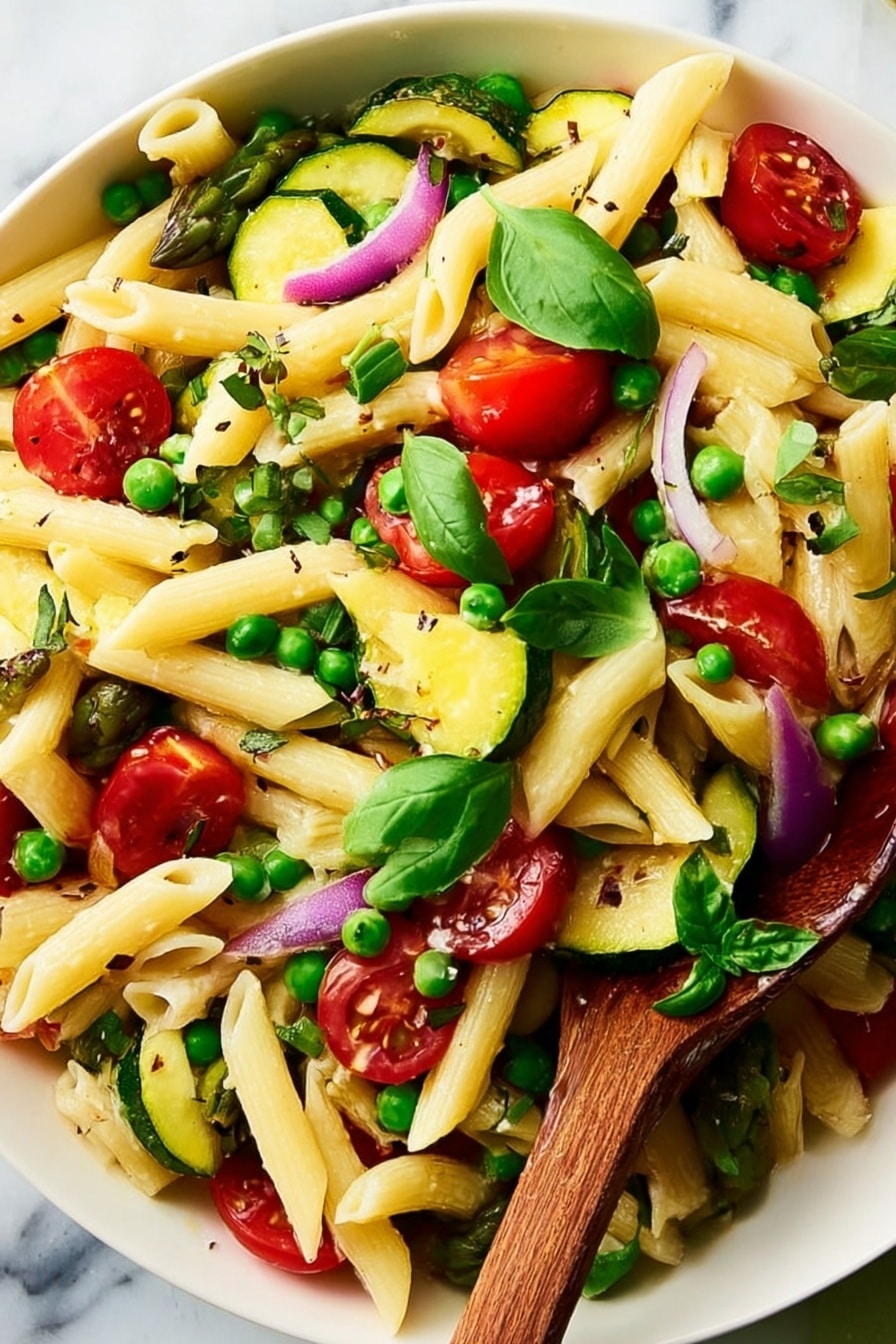
If you’re craving a light yet satisfying dinner that’s bursting with fresh flavors, you’re in for a treat. I’m excited to share this Fresh Pasta Primavera with Vegetables Recipe that’s become a favorite in my kitchen for good reason. It’s colorful, insanely delicious, and brings together crisp, vibrant veggies with tender pasta in the best possible way. Trust me, once you try this, it’ll quickly become your go-to for easy weeknight meals or even casual weekend dinners with friends.
Why You’ll Love This Recipe
- Fresh, Seasonal Vegetables: The vibrant mix of squash, asparagus, tomatoes, and peas brings natural sweetness and crunch that just can’t be beat.
- Super Quick to Make: You’ll love how the entire dish comes together in about 30 minutes – perfect for busy evenings.
- Balanced Flavors: The lemon juice and pecorino cheese add bright tang and savory depth that elevate the veggies wonderfully.
- Customizable and Kid-Friendly: I always find plenty of ways to tweak this recipe so it suits my family’s tastes and what’s in the fridge.

Ingredients You’ll Need
Choosing fresh, good-quality ingredients really makes a difference with this Fresh Pasta Primavera with Vegetables Recipe. You’ll want vegetables that are crisp and bright, and don’t skimp on the olive oil – it ties everything beautifully together.
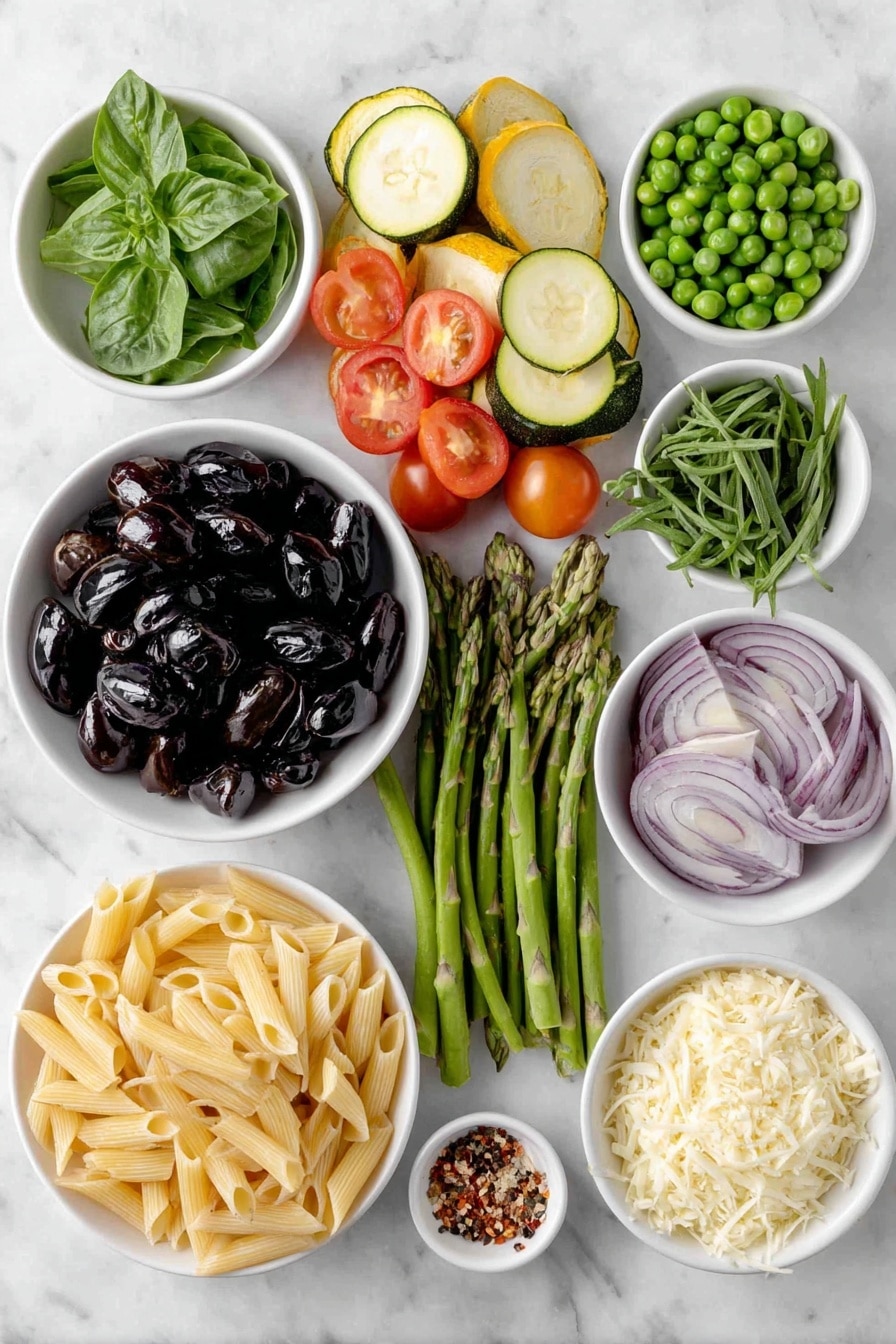
- Penne Pasta: I prefer penne because its ridges hold on to the sauce and veggies so well, but feel free to use your favorite shape.
- Extra-Virgin Olive Oil: Use a good-quality oil for that rich, fruity flavor that everything gets sautéed in.
- Garlic: Thinly sliced to spread that signature aromatic punch without overwhelming the dish.
- Yellow Squash & Zucchini: These two soft, mild veggies add great texture and color contrast when sliced thin.
- Asparagus: Chop into bite-sized pieces for perfect tenderness and a fresh snap.
- Cherry Tomatoes: Halved to release their sweet juices, intensifying the sauce slightly.
- Red Onion: Thin slices add just a touch of sharpness and a lovely pop of purple color.
- Sea Salt: Essential for seasoning and bringing out the veggies’ natural flavors.
- Frozen Peas: Thawed, they add sweet pops of flavor and a bright green hue.
- Pecorino Cheese: Finely grated for a salty, creamy finish that perfectly balances the lemon’s acidity.
- Fresh Lemon Juice: This is the secret that lifts the whole dish with its fresh zing.
- Red Pepper Flakes: Just a pinch to add a gentle heat that warms each bite.
- Fresh Basil Leaves: Stirred in at the end for a fragrant, herbaceous hit plus extra for garnish.
- Fresh Tarragon (Optional): I like adding tarragon because its subtle anise notes add unexpected complexity.
- Freshly Ground Black Pepper: To taste, for seasoning perfection.
Variations
One of the things I love most about this Fresh Pasta Primavera with Vegetables Recipe is how easy it is to switch things up. Whether you’re catering to dietary needs, using up what’s in season, or just getting creative, this recipe is super forgiving and flexible.
- Vegetarian to Vegan: Swap pecorino cheese for a vegan parmesan or nutritional yeast, and you’ve got a delicious plant-based dinner.
- Seasonal Swaps: When asparagus isn’t available, try green beans or snap peas – I’ve also swapped cherry tomatoes with sun-dried tomatoes for a richer flavor.
- Protein Boost: Adding grilled chicken, shrimp, or chickpeas makes it feel heartier for dinner guests without overwhelming the fresh vibe.
- Spice It Up: Feel free to increase red pepper flakes or add a dash of smoked paprika if you like a little smoky heat.
How to Make Fresh Pasta Primavera with Vegetables Recipe
Step 1: Cook the Pasta Perfectly Al Dente
Start by bringing a large pot of generously salted water to a boil—this is your chance to season the pasta right from the start. Cooking penne al dente is key here because the pasta will finish cooking a bit when tossed with the warm veggies. When it’s just tender but still with a little bite, drain the pasta and toss it with a little olive oil so it doesn’t stick. I’ve learned that skipping the oil here leads to clumps later when mixing everything together.
Step 2: Sauté the Vegetables to Tender-Crisp Perfection
Heat your extra-virgin olive oil in a large, deep skillet over medium heat until shimmering. Add your sliced garlic first—it’s all about layering flavors. As soon as it starts to turn golden, toss in the yellow squash, zucchini, asparagus, cherry tomatoes, and red onion. Season with sea salt and freshly ground black pepper, then sauté for 3 to 4 minutes. You want the veggies tender but still with that satisfying crunch and bright color. Overcooked veggies just won’t have the same fresh, lively taste, so keep an eye on them!
Step 3: Combine Pasta, Cheese, and Herbs for the Final Toss
Now the magic happens. Add your cooked penne along with thawed peas to the skillet. Sprinkle in the pecorino cheese and pour in the fresh lemon juice. Toss everything gently to combine—this is when the cheese melts slightly, coating every piece of pasta and veggie with a silky, savory coating. Add a pinch of red pepper flakes for gentle heat, then fold in your fresh basil and optional tarragon. Taste and adjust seasoning with more salt or pepper. I love this stage because it’s the moment all those bright flavors harmonize beautifully.
Pro Tips for Making Fresh Pasta Primavera with Vegetables Recipe
- Use Room Temperature Ingredients: Bringing your herbs and peas to room temp ensures everything heats evenly without shocking the pasta or veggies.
- Don’t Skip the Lemon Juice: The acid brightens the entire dish and balances the richness of the cheese and oil perfectly.
- Toss Gently but Thoroughly: To keep the pasta from breaking and the veggies intact, fold everything together with care.
- Add Olive Oil Last If Needed: If the pasta looks dry after tossing, a quick drizzle of olive oil revitalizes the texture without making it greasy.
How to Serve Fresh Pasta Primavera with Vegetables Recipe
Garnishes
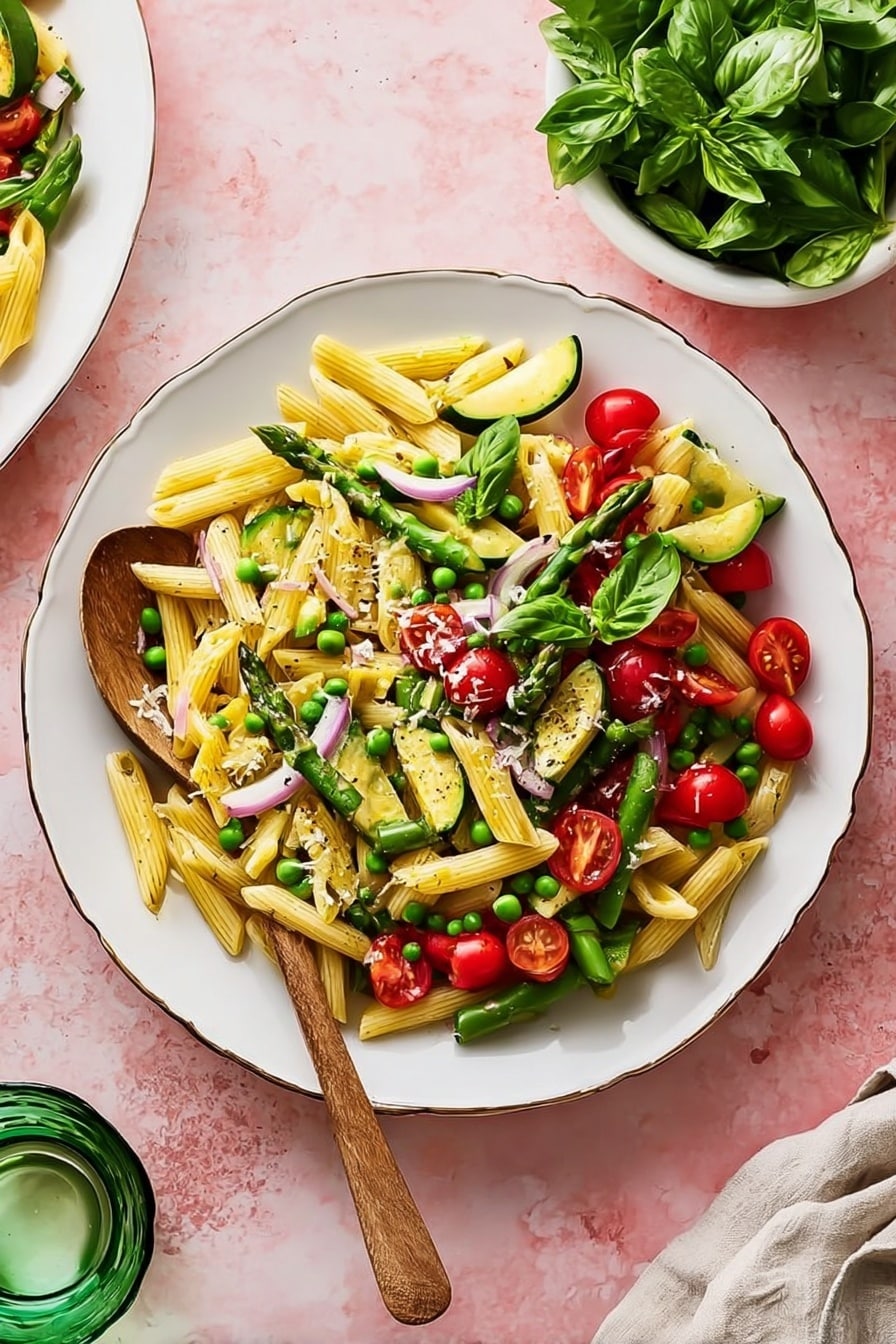
I’m a big fan of fresh basil as a garnish—it adds a pop of green and a delightful fragrance right before serving. Sometimes I sprinkle extra grated pecorino cheese for a salty finish, and a quick twist of black pepper adds a little bite. For a bit of crunch, you could toast some pine nuts or breadcrumbs on the side.
Side Dishes
My family and I love pairing this pasta primavera with a crisp green salad with lemon vinaigrette or crusty garlic bread to soak up any leftover sauce. A simple roasted chicken breast or grilled salmon works beautifully if you want to add protein without overshadowing the dish’s freshness.
Creative Ways to Present
For special occasions, I like serving this in colorful pasta bowls or hollowed-out tomatoes for an elegant touch. Laying a few whole basil leaves on top and drizzling with a little extra virgin olive oil just before guests arrive makes it feel fancy but still approachable.
Make Ahead and Storage
Storing Leftovers
After it cools to room temperature, I store leftovers in an airtight container in the fridge. The flavors actually deepen overnight, so leftovers can be even better the next day. Just be sure to eat within 2-3 days for the freshest taste.
Freezing
I generally don’t freeze this recipe because the fresh vegetables can lose their texture, but if you’re in a pinch, freeze the pasta separately from the veggies and sauce. Reheat carefully to avoid mushiness.
Reheating
Reheat leftovers gently on the stove over medium-low heat with a splash of water or olive oil to keep it moist. The microwave works in a pinch, but stirring halfway through helps keep the veggies from drying out.
FAQs
-
Can I use other types of pasta for this Fresh Pasta Primavera with Vegetables Recipe?
Absolutely! While penne works wonderfully because of its shape and ridges, feel free to use farfalle, fusilli, or even spaghetti based on what you have or prefer. Just adjust cooking times to make sure your pasta stays al dente.
-
Is this recipe suitable for vegans?
Yes, it can easily be made vegan by omitting the pecorino cheese or substituting it with a plant-based alternative like nutritional yeast or vegan Parmesan. The lemon juice and olive oil keep the dish flavorful without dairy.
-
Can I prepare the vegetables ahead of time?
You certainly can chop and prep all the vegetables up to a day ahead and store them in airtight containers in the fridge. Just cook everything fresh when ready to maintain that terrific texture and flavor.
-
What can I substitute if I don’t have fresh tarragon?
If you don’t have tarragon on hand, fresh parsley or even a touch of fresh oregano works nicely. Tarragon adds a subtle anise note, but the recipe is still delicious without it.
Final Thoughts
This Fresh Pasta Primavera with Vegetables Recipe holds a special place in my heart—it’s such a joyful way to celebrate the seasons on your plate and share wholesome, vibrant meals without much fuss. I hope you’ll enjoy making it as much as I do, whether you’re cooking for your family or impressing friends at dinner. Once you taste those fresh veggies dancing with lemon and pecorino on perfectly cooked pasta, you’ll understand why I keep coming back to this recipe again and again.
Print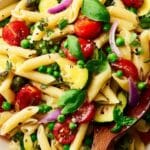
Fresh Pasta Primavera with Vegetables Recipe
- Prep Time: 10 minutes
- Cook Time: 20 minutes
- Total Time: 30 minutes
- Yield: 4 servings
- Category: Main Course
- Method: Stovetop
- Cuisine: Italian
- Diet: Vegetarian
Description
Pasta Primavera is a fresh, vibrant dish packed with seasonal vegetables and tossed with al dente penne pasta, garlic, fresh herbs, and a hint of lemon juice. This light and flavorful recipe is perfect for spring or summer dinners, offering a delightful combination of textures and colors with a touch of pecorino cheese and a spicy kick from red pepper flakes.
Ingredients
Pasta
- 10 ounces penne pasta
Vegetables & Herbs
- 1 yellow squash, sliced into thin half-moons
- 1 zucchini, sliced into thin half-moons
- 1 bunch asparagus, chopped into 1-inch pieces
- 1 cup cherry tomatoes, halved
- 1 cup thinly sliced red onion
- 4 garlic cloves, sliced
- ½ cup frozen peas, thawed
- 1 cup fresh basil leaves (plus more for garnish)
- ¼ cup fresh tarragon (optional)
Other Ingredients
- 2 tablespoons extra-virgin olive oil (plus more for drizzling)
- 1 teaspoon sea salt
- 3 tablespoons fresh lemon juice
- Red pepper flakes, to taste
- Freshly ground black pepper, to taste
- ¾ cup grated pecorino cheese
Instructions
- Cook the Pasta: Bring a large pot of salted water to a boil. Add the penne pasta and cook according to the package instructions until al dente. Drain the pasta and toss it with a drizzle of extra-virgin olive oil to prevent sticking.
- Sauté the Vegetables: Heat 2 tablespoons of extra-virgin olive oil in a large, deep skillet over medium heat. Add sliced garlic, yellow squash, zucchini, chopped asparagus, halved cherry tomatoes, sliced red onion, sea salt, and freshly ground black pepper. Sauté the vegetables for 3 to 4 minutes until they become tender but still retain some bite.
- Combine Pasta and Vegetables: Add the cooked pasta, thawed peas, grated pecorino cheese, fresh lemon juice, and a pinch of red pepper flakes to the skillet. Toss everything well to combine and evenly coat the pasta and vegetables with the cheese and lemon juice.
- Add Fresh Herbs: Stir in fresh basil leaves and optional fresh tarragon. Taste and adjust the seasoning with additional salt, pepper, or red pepper flakes if desired.
- Serve: Garnish with more fresh basil leaves for a vibrant finish and serve immediately while warm.
Notes
- This pasta primavera highlights the freshness of spring and summer vegetables, making it ideal for warm-weather meals.
- Using tarragon is optional but highly recommended for an aromatic, flavorful boost.
- For a vegetarian option, ensure the pecorino cheese is made without animal rennet or substitute with a vegetarian cheese.
- Feel free to swap or add other seasonal vegetables such as bell peppers or peas.
- Serve with a light drizzle of extra virgin olive oil to enhance richness.
Nutrition
- Serving Size: 1 serving
- Calories: 410 kcal
- Sugar: 6 g
- Sodium: 480 mg
- Fat: 14 g
- Saturated Fat: 4 g
- Unsaturated Fat: 9 g
- Trans Fat: 0 g
- Carbohydrates: 58 g
- Fiber: 6 g
- Protein: 15 g
- Cholesterol: 15 mg