
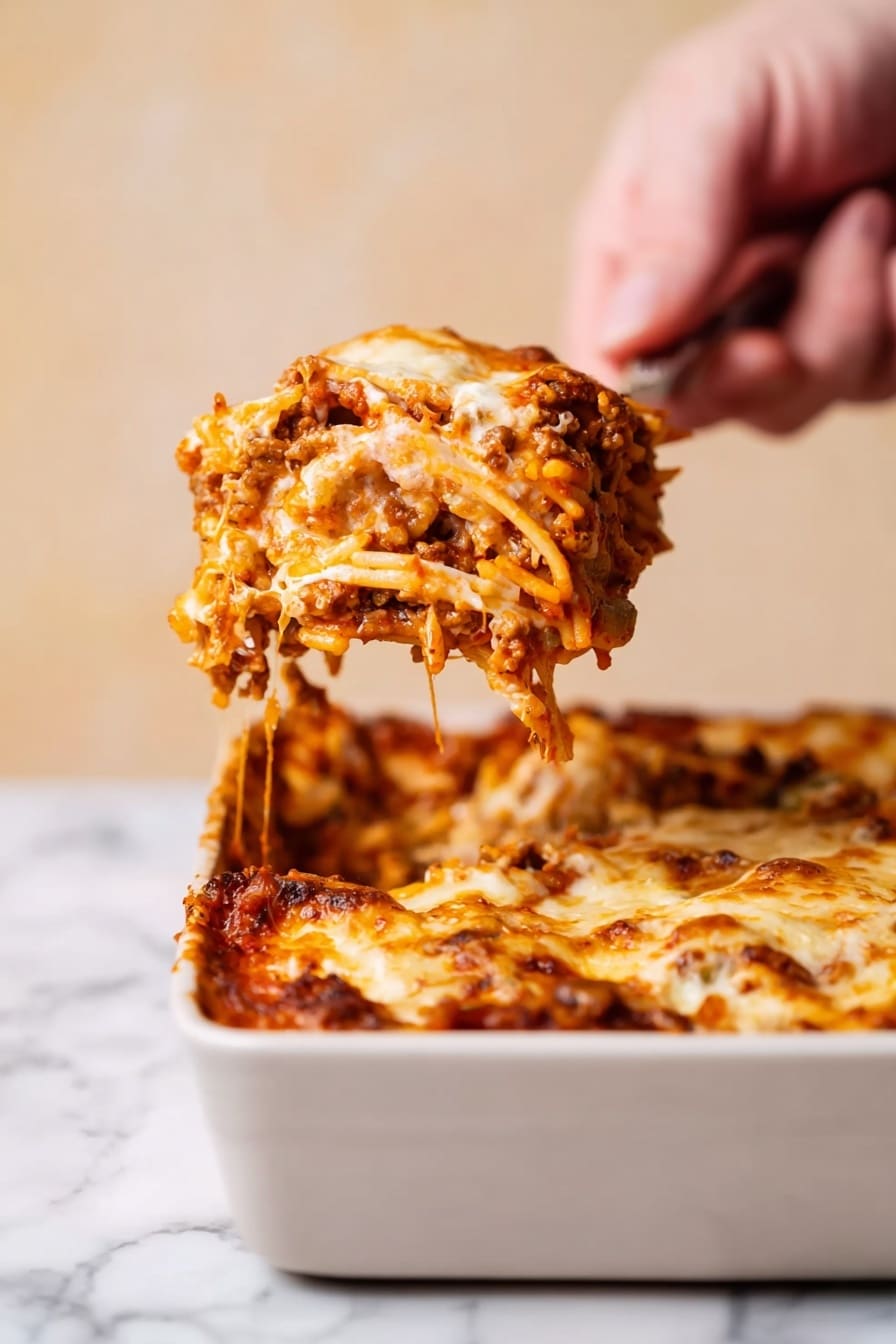
If you’re in the mood for comfort food that hits all the right notes—meaty, cheesy, saucy, and downright cozy—I have just the thing for you. This Baked Sausage Spaghetti Casserole Recipe is one of my absolute favorites to make when I want something hearty but fuss-free. Imagine tender al dente spaghetti baked in a rich, savory sausage and mushroom tomato sauce, layered with three kinds of cheese and baked until bubbly and golden. It’s basically a lasagna’s easier, more relaxed cousin, and trust me, this dish has become a family favorite in my kitchen.
Why You’ll Love This Recipe
- Simple yet satisfying: This baked sausage spaghetti casserole transforms everyday ingredients into a mouthwatering meal with minimal effort.
- Perfect for feeding a crowd: It’s easy to scale up, and leftovers reheat beautifully for busy weeknights.
- Rich layers of flavor and texture: Sausage, mushrooms, aromatic herbs, and three cheeses meld together for something truly special.
- Comfort food with a twist: It’s familiar and cozy, but the baked casserole format adds a fun and elegant flair that my family goes wild over.

Ingredients You’ll Need
Most of these ingredients are ones you probably have on hand or can find easily. The key is choosing savory sausage and good-quality cheeses that melt nicely. Don’t skip the fresh parsley—it adds a pop of brightness that balances the rich flavors.
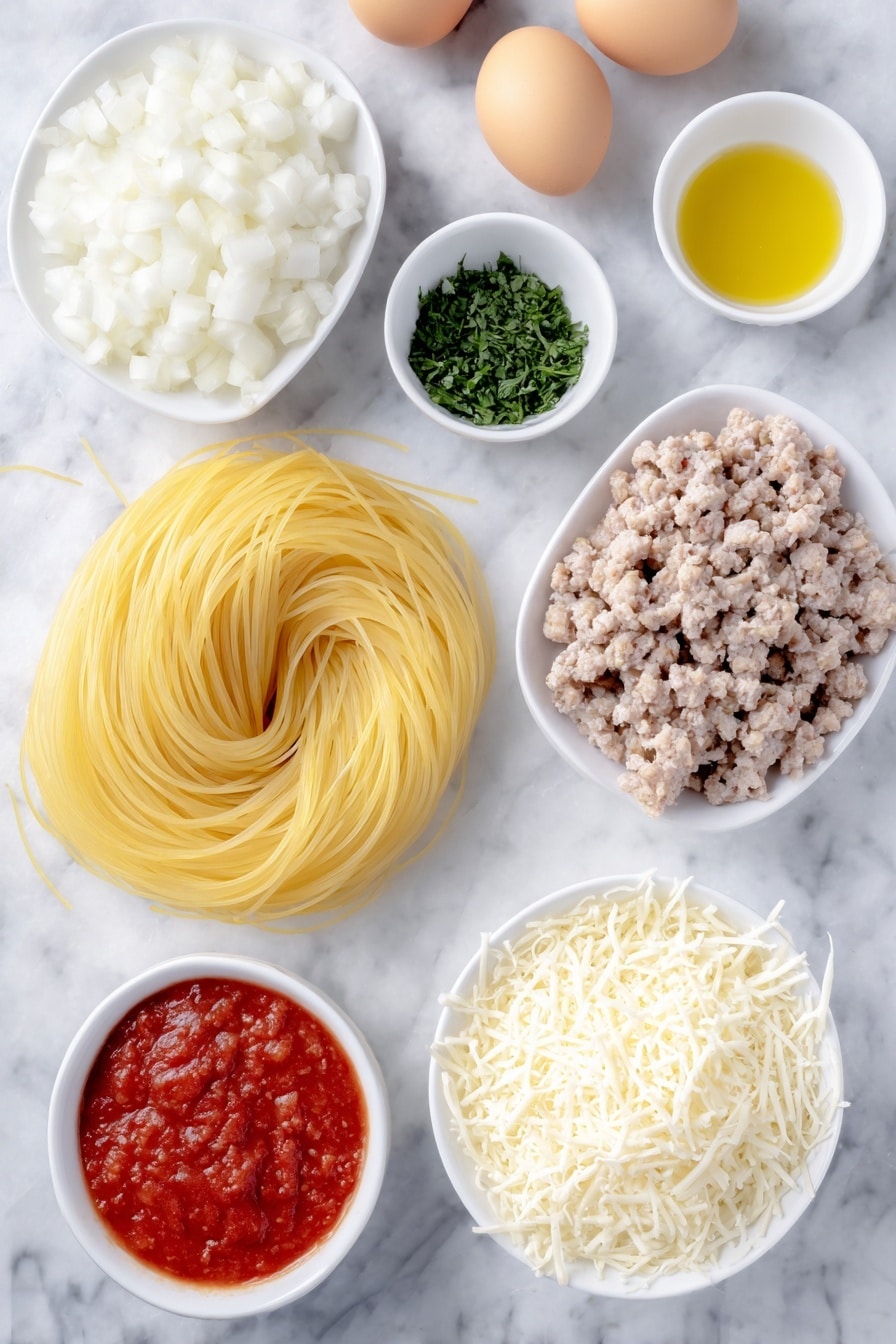
- Vermicelli pasta or thin spaghetti: I use thin spaghetti because it layers beautifully and cooks up tender but not mushy.
- Bulk sweet Italian sausage: Removing the casing lets you crumble it perfectly—the sweet version keeps the dish from being too spicy but still full of flavor.
- Shiitake or cremini mushrooms: Mushrooms add earthiness and moisture, helping balance the richness of the sausage.
- Onion: Adds sweetness and depth; I like to use yellow onions for their mild flavor.
- Garlic: A couple cloves go a long way to build aroma and flavor.
- Red pepper flakes: Optional, but I love the subtle heat that lifts the dish.
- Marinara or meatless tomato sauce: I’ve made this with homemade sauce and store-bought—both work great.
- Water: Helps simmer the sauce and keep it from getting too thick before baking.
- Italian seasoning: Classic blend to enhance the Italian vibes.
- Fresh parsley: Adds fresh, herbal brightness right before baking.
- Extra virgin olive oil: For sautéing and greasing the casserole dish.
- Parmesan cheese: A sharp, salty edge that melts beautifully in the sauce and pasta mix.
- Eggs: They help bind the pasta and cheeses together once baked.
- Ricotta cheese: Adds creaminess and a luscious texture between the sauce and mozzarella layers.
- Mozzarella cheese: The melty, gooey topping everyone loves for that perfect baked finish.
Variations
I love how flexible this baked sausage spaghetti casserole recipe is—it’s like a blank canvas for flavors. Depending on what you have on hand or your dietary preferences, you can switch things up without losing the magic.
- Spicy Kick: Swap sweet Italian sausage for spicy Italian sausage, or add extra red pepper flakes if you like a little more heat—I discovered this tweak really wakes up the flavors!
- Vegetarian Version: Skip the sausage and add sautéed bell peppers, zucchini, or eggplant instead; you might want to add a bit more seasoning to keep it robust.
- Cheese Choices: Sometimes I swap half the mozzarella for provolone or fontina for a different melty vibe—it’s a fun way to experiment!
- Gluten-Free: Use gluten-free pasta, and your gluten-free marinara if needed—this dish holds up beautifully with those swaps.
How to Make Baked Sausage Spaghetti Casserole Recipe
Step 1: Get your sauce sizzling
Start by breaking up that bulk sweet Italian sausage into chunks in a large sauté pan, then cook it gently over medium heat. Don’t rush this part—slow cooking renders the fat and builds flavor, and you want to break the sausage into bite-sized crumbles as it browns evenly. Once cooked through and no pink remains, scoop the sausage out and drain the fat from the pan. (A quick tip: never pour hot fat down the drain—it can clog pipes!)
Step 2: Sauté the veggies
In that same pan, toss in your chopped onions and mushrooms. Turn the heat up to medium-high and cook, stirring frequently, until onions turn translucent and mushrooms release some of their liquid. Then add garlic and red pepper flakes, cooking for just about a minute more to wake up those flavors without burning the garlic.
Step 3: Simmer the sauce
Pour in your marinara sauce along with 1 1/2 cups of water to keep things saucy and simmer gently. Add the cooked sausage back in, sprinkle in Italian seasoning and fresh parsley, then reduce to a very low simmer. Let it bubble softly for 10 to 15 minutes while you cook the pasta—this step deepens the flavors nicely.
Step 4: Cook the pasta just right
By now your salted water should be boiling—make sure it’s well salted (about 2 tablespoons for 4 quarts water) because that’s your only chance to season the pasta itself. Boil the pasta uncovered for 5 to 6 minutes until al dente; remember it will keep cooking in the casserole, so avoid overcooking. Drain it and rinse with cold water to stop the cooking process and make it easier to handle.
Step 5: Toss pasta with egg and cheese
Transfer the cooled pasta to a large bowl, drizzle with olive oil, sprinkle with grated Parmesan, and add the beaten eggs. I find it easiest to mix this by hand—tossing everything gently so the eggs coat the pasta and the cheese starts to melt slightly.
Step 6: Layer your casserole
Preheat your oven to 350°F (175°C) and grease a 9×13 inch casserole dish with olive oil. Spread one cup of the sausage sauce evenly across the bottom of the dish, then layer half of your pasta on top. Spoon half the remaining sauce over the pasta, dollop all the ricotta cheese in little mounds, and sprinkle half the mozzarella cheese. Repeat with the rest of the pasta, sauce, and mozzarella to build those layers.
Step 7: Bake to cheesy perfection
Cover your casserole with foil and bake for 40 minutes to allow flavors to meld and everything to heat through. Then remove the foil and bake an additional 20 minutes uncovered so the cheese on top gets wonderfully bubbly and golden. When it comes out of the oven, let it rest at least 10 minutes before slicing—that extra wait helps it set up for cleaner squares and better texture.
Pro Tips for Making Baked Sausage Spaghetti Casserole Recipe
- Don’t skip rinsing the pasta: Rinsing stops the cooking process so you don’t end up with mushy noodles after baking.
- Use a gentle simmer: Keeping the sauce at a very low simmer before baking really helps deepen flavors without evaporating too much liquid.
- Layer cheese thoughtfully: Placing ricotta in dollops under mozzarella creates ooey-gooey pockets of creamy delight.
- Let it rest after baking: Waiting 10 minutes before cutting helps the casserole hold together beautifully when served.
How to Serve Baked Sausage Spaghetti Casserole Recipe
Garnishes
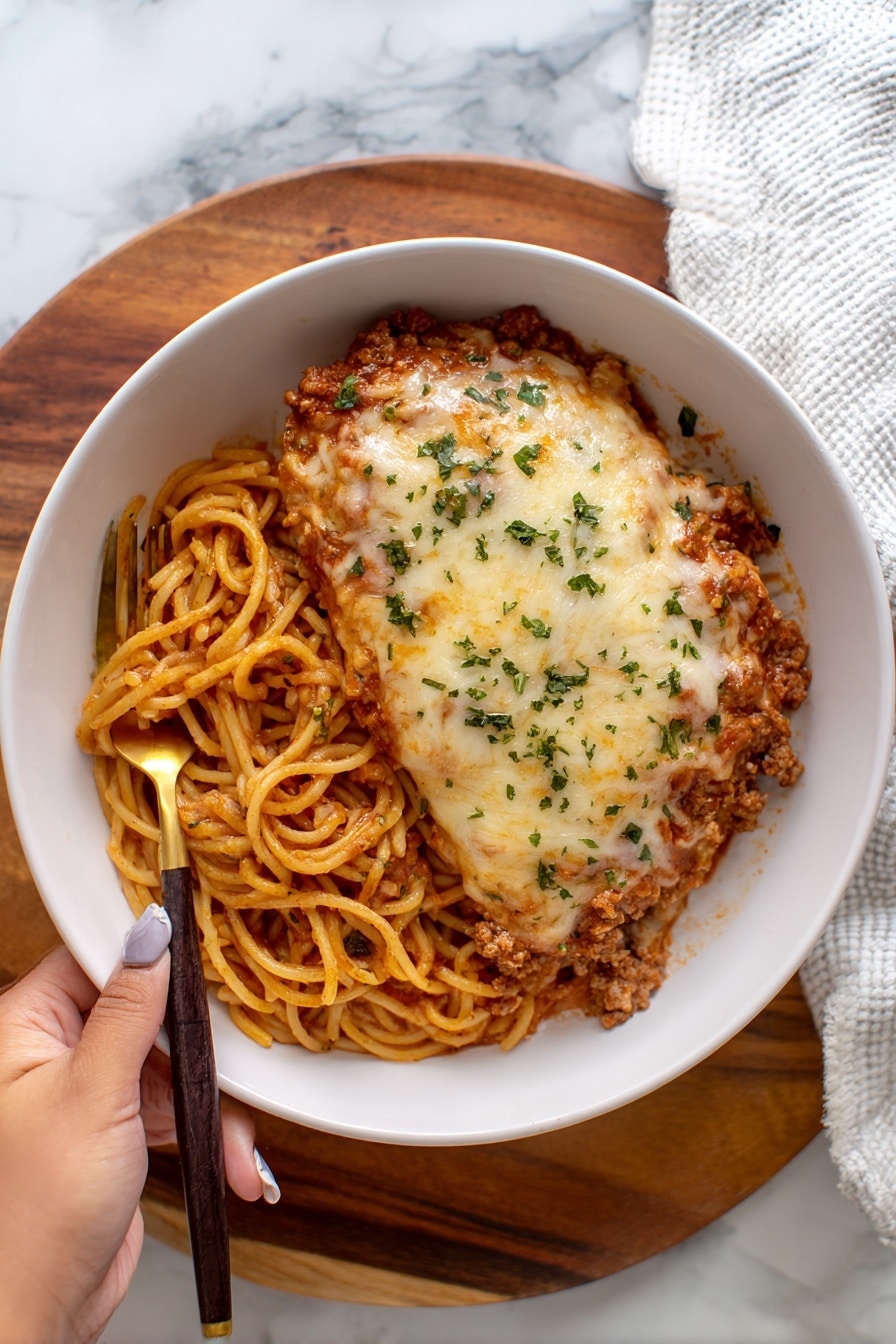
I like to sprinkle a little extra chopped fresh parsley or basil on top just before serving—it adds a fresh, vibrant touch and makes the dish look as good as it tastes. Sometimes, I also grate a bit of fresh Parmesan over the slices for an extra cheesy hit.
Side Dishes
Pair this with a crisp green salad tossed with a lemon vinaigrette to cut through the richness nicely. Garlic bread or toasted baguette slices also make perfect dunking companions.
Creative Ways to Present
For a special occasion, I’ve baked individual portions in small ramekins. It feels a bit fancy, and everyone loves having their own personal cheesy casserole. Another fun idea is to sprinkle breadcrumbs mixed with Parmesan on top before baking for a crunchy, golden crust.
Make Ahead and Storage
Storing Leftovers
My family rarely has leftovers, but when we do, I store them in an airtight container in the fridge for up to 3 days. The casserole actually tastes better the next day as the flavors have had time to meld even more.
Freezing
I’ve frozen this casserole several times, usually before baking. Just assemble it, cover tightly with foil and plastic wrap, then freeze for up to 3 months. When ready to eat, thaw overnight in the fridge and bake as directed, adding a bit more time as needed.
Reheating
Reheat individual portions in the microwave or the whole casserole in a 350°F oven, covered with foil, until warmed through. A quick spritz of water on top before reheating helps keep it moist and prevents drying out.
FAQs
-
Can I use regular spaghetti instead of vermicelli in the baked sausage spaghetti casserole recipe?
Absolutely! Regular spaghetti works just fine. I prefer thinner pasta like vermicelli because it layers nicely and cooks evenly in the casserole, but feel free to use whatever you have on hand. Just make sure to cook it al dente since it will continue cooking in the oven.
-
Is it necessary to remove the sausage casings?
Yes, removing the casings allows you to crumble the sausage properly and distribute it evenly throughout the sauce. It also helps the sausage cook more uniformly and blend better with the other ingredients.
-
Can I make this recipe vegetarian?
Definitely! Simply skip the sausage and add extra vegetables like bell peppers, zucchini, or eggplant. You can also use plant-based sausage if you like. Adjust seasonings to make sure the flavor remains rich and satisfying.
-
How long can I store leftover baked sausage spaghetti casserole?
Stored in an airtight container, leftovers keep well in the fridge for up to 3 days. For longer storage, freezing is a great option (up to 3 months), and reheating works perfectly to revive that baked goodness.
Final Thoughts
This Baked Sausage Spaghetti Casserole Recipe holds a special place in my heart because it’s the perfect blend of easy weeknight cooking and comforting, hearty flavors. I love pulling it out whenever I want something that feels like a big, warm hug but without a lot of hands-on stress. You’ll find that it pleases both kids and adults alike, plus it makes great leftovers. Give it a try, and I promise you’ll want to make it over and over—just like I do!
Print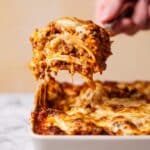
Baked Sausage Spaghetti Casserole Recipe
- Prep Time: 10 minutes
- Cook Time: 1 hour 45 minutes
- Total Time: 1 hour 55 minutes
- Yield: 10 servings
- Category: Main Dish
- Method: Baking
- Cuisine: Italian-American
Description
This Baked Spaghetti recipe combines tender vermicelli pasta with a hearty sweet Italian sausage and mushroom tomato sauce, layered with ricotta, Parmesan, and mozzarella cheeses. Baked until bubbly and golden, it’s a comforting casserole perfect for family dinners and easy to prepare in advance.
Ingredients
Pasta
- 3/4 pound vermicelli pasta or thin spaghetti
Sauce and Meat
- 1 pound bulk sweet Italian sausage, casings removed
- 1/4 pound shiitake or cremini mushrooms, roughly chopped
- 1 medium onion, chopped (about 1 1/2 cups)
- 2 cloves garlic, minced
- 1/4 teaspoon red pepper flakes
- 3 cups (24 ounces) marinara or meatless tomato sauce, homemade or store bought
- 1 1/2 cups water
- 1 tablespoon Italian seasoning
- 1/4 cup chopped fresh parsley
- 1 tablespoon extra virgin olive oil, plus more for greasing
Cheese Mixture
- 1 cup grated Parmesan cheese
- 2 large eggs, beaten
- 1 cup ricotta cheese
- 2 to 3 cups shredded mozzarella cheese
Instructions
- Prep the Pasta Water: Fill a large pot with water and add about 2 tablespoons of salt for 4 quarts of water. Place it on high heat and bring to a boil while you prepare the other ingredients.
- Cook the Sausage: In a large sauté pan over medium heat, break up the Italian sausage into clumps. Cook slowly, breaking into smaller pieces as it cooks, until fully browned and no longer pink. Remove the cooked sausage with a slotted spoon and set aside. Drain the excess fat from the pan.
- Sauté Vegetables: Add the chopped onions and mushrooms to the pan. Increase heat to medium-high and cook, stirring frequently, until onions become translucent and mushrooms release their liquid. Add minced garlic and red pepper flakes, cooking for about one more minute.
- Simmer Sauce: Pour the marinara sauce and 1 1/2 cups water into the pan with the vegetables. Return the cooked sausage to the pan. Stir in Italian seasoning and chopped parsley. Bring to a gentle simmer, then reduce heat to the lowest setting. Let simmer for 10 to 15 minutes while preparing the pasta.
- Cook Pasta: Once the water is boiling, add pasta and cook uncovered at a rolling boil for 5 to 6 minutes until al dente. Drain the pasta and rinse under cold water to stop cooking.
- Toss Pasta with Cheese and Eggs: Transfer the cooled pasta to a large bowl. Drizzle with olive oil and toss. Add grated Parmesan cheese and beaten eggs, mixing thoroughly (using clean hands makes this easier).
- Prepare Casserole Dish: Preheat oven to 350°F (175°C). Lightly grease a 9×13-inch casserole dish with olive oil.
- Assemble Casserole: Spread 1 cup of the sauce evenly on the bottom of the casserole dish. Layer half of the pasta on top, then cover with half of the remaining sauce.
- Add Cheese Layers: Dot the sauce layer with all the ricotta cheese. Sprinkle half of the shredded mozzarella over the ricotta. Layer the remaining pasta, followed by the remaining sauce and mozzarella cheese.
- Bake Covered: Cover the casserole dish with foil and bake in the oven for 40 minutes.
- Bake Uncovered: Remove the foil and bake uncovered for an additional 20 minutes until bubbly and golden on top.
- Rest and Serve: Remove from the oven and let the casserole rest for at least 10 minutes before cutting into squares and serving.
Notes
- Baked spaghetti casserole is like lasagna's easier cousin, offering a rich, cheesy, and meaty pasta dish without the layering complexity of traditional lasagna.
- Using sweet Italian sausage adds a flavorful dimension to the sauce, but you can substitute with mild or spicy varieties based on preference.
- Allowing the pasta to cook al dente is crucial because it will continue absorbing sauce during baking, preventing it from becoming too soft.
- Letting the baked casserole rest helps it set and makes serving easier.
Nutrition
- Serving Size: 1 serving (approx. 1/10 of casserole)
- Calories: 352 kcal
- Sugar: 6 g
- Sodium: 1004 mg
- Fat: 18 g
- Saturated Fat: 8 g
- Unsaturated Fat: 10 g
- Trans Fat: 0 g
- Carbohydrates: 24 g
- Fiber: 3 g
- Protein: 24 g
- Cholesterol: 85 mg