
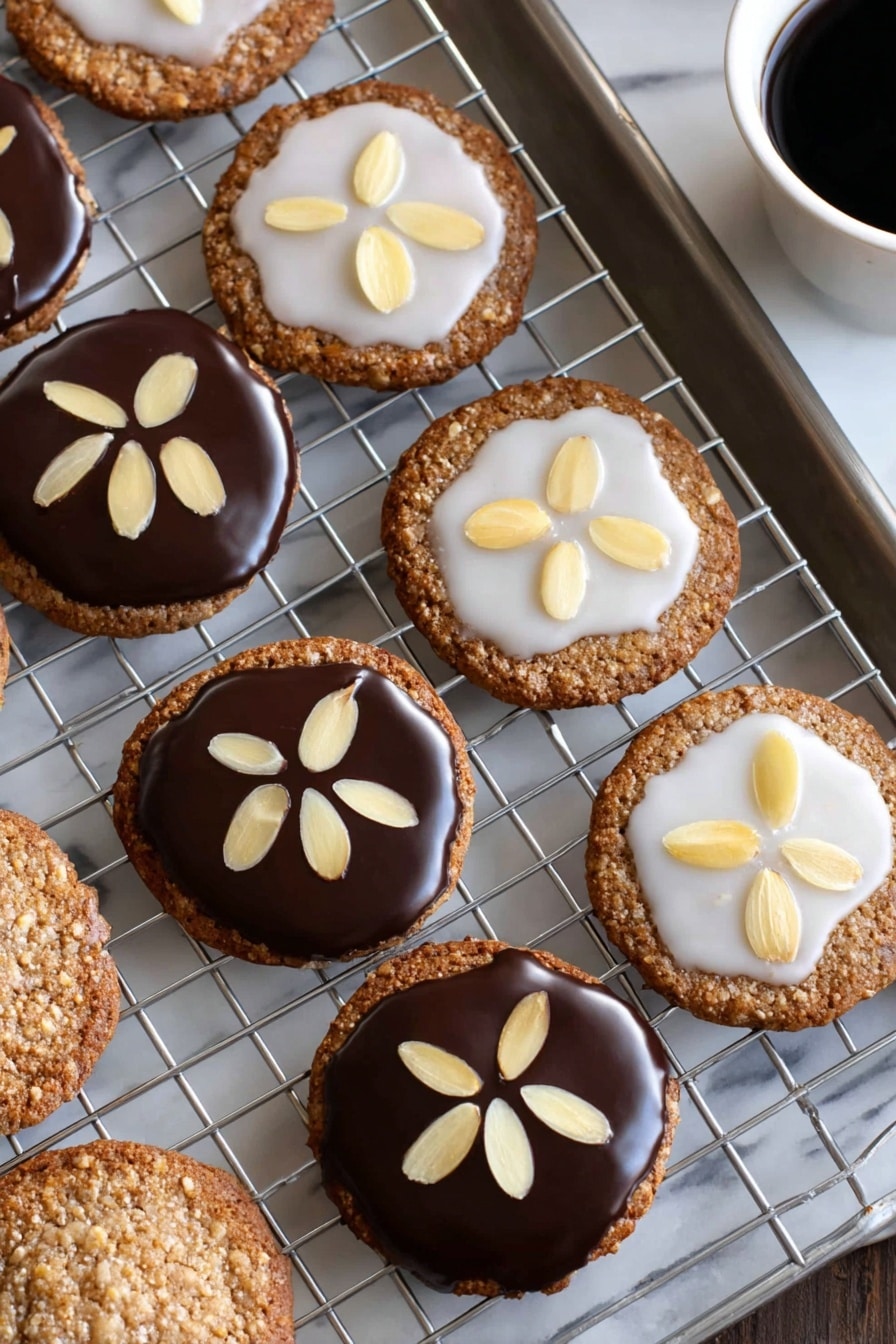
If you’re on the hunt for the perfect holiday treat that’s rich, aromatic, and a little bit magical, let me introduce you to my absolute favorite: the German Lebkuchen Recipe with Chocolate Glaze Recipe. This isn’t just any cookie – it’s a tradition wrapped in spice, nuts, and a silky glaze that’ll have you coming back for more. Whether you’re baking for family or gifting friends, this recipe will make your kitchen smell like Christmas and your heart feel warm. Keep reading because I’m sharing all my best tips to nail it every time!
Why You’ll Love This Recipe
- Authentic Flavor Experience: This recipe captures the traditional mix of spices and nuts that make German Lebkuchen so iconic and irresistible.
- Perfectly Balanced Sweetness: The combo of honey, brown sugar, and candied peel gives a wonderful natural sweetness without overpowering.
- Versatile Glaze Options: Choose between a luscious chocolate glaze or a light sugar glaze – or do both like I do!
- Make-Ahead Friendly: These little delights keep beautifully for weeks, and the flavors actually deepen over time.

Ingredients You’ll Need
The star ingredients work together to create a texture and flavor that’s soft, richly nutty, and fragrant with warming spices. Here’s what you’ll want to hunt down before you start mixing — and some tips I’ve picked up along the way.
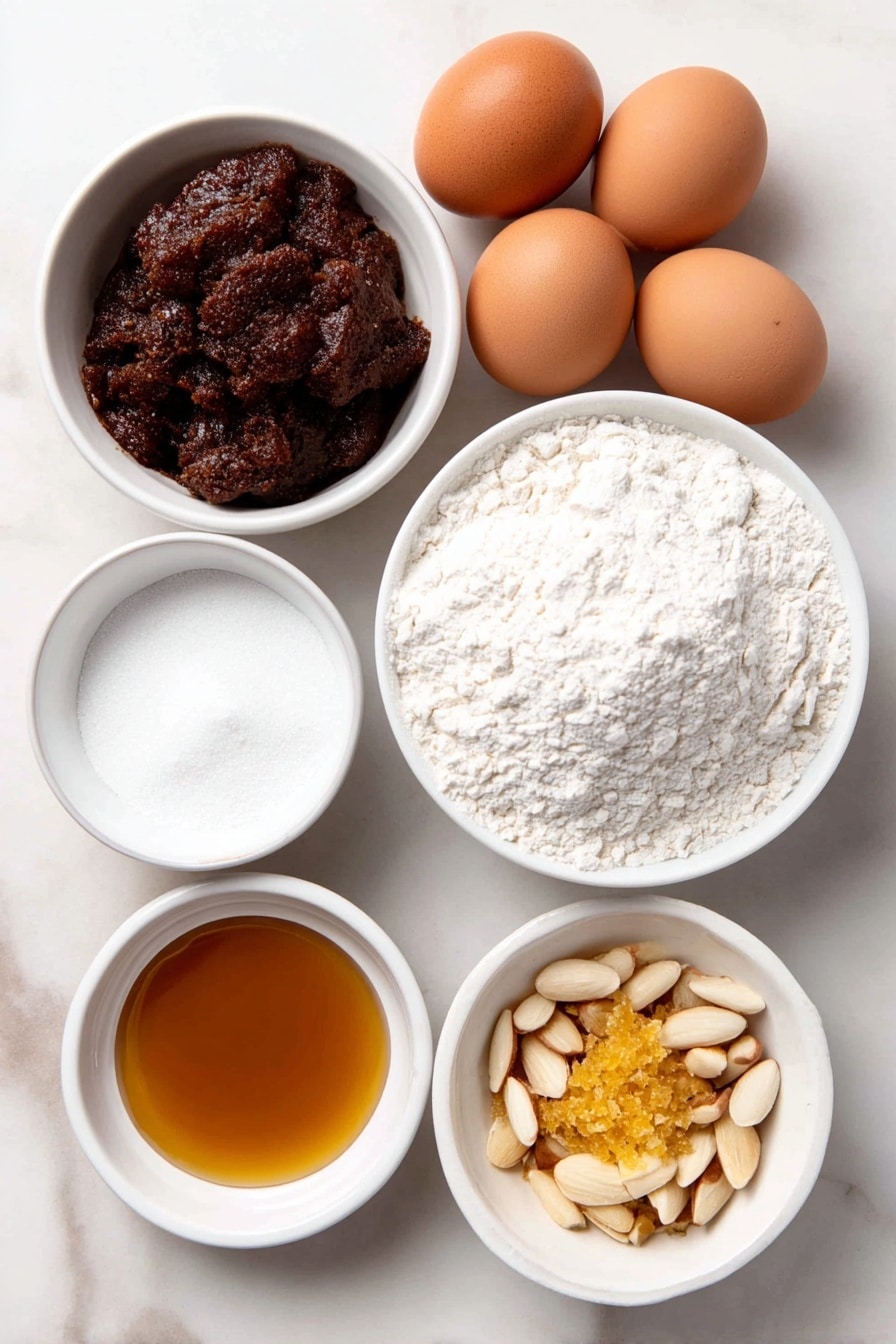
- Large Eggs: Helps bind everything and adds moisture; fresh eggs give the best rise and fluff.
- Brown Sugar: I use packed for that deep molasses undertone that complements the honey relentlessly well.
- Honey: Adds natural sweetness and chewiness; opt for a mild-flavored honey so it doesn’t overpower the spices.
- Vanilla Extract: Elevates the overall profile with a sweet, fragrant note.
- Almond Flour: Key to the texture; makes the Lebkuchen soft and dense without being cakey.
- Hazelnut Flour: Adds a lovely toasty flavor and richness—together with almond flour, they’re a dream combo.
- Salt: Balances the sweetness and enhances all the flavors.
- Baking Powder: Provides gentle lift to keep the texture light but chewy.
- Lebkuchengewürz: The classic spice blend that’s essential for authentic taste (homemade is best!).
- Candied Lemon and Orange Peel: Piecing these into finely minced bits sharpens the citrus pop; flour-coating keeps them from sticking together perfectly.
- All-Purpose Flour: Used here just to coat the candied peels so they incorporate evenly; gluten-free flours work as a substitute if needed.
- Backoblaten or Communion Wafers: These thin baking wafers give the Lebkuchen its traditional base that crisps up without stiffness.
- Blanched Whole Almonds: For the charming finishing touch—cut in half and arranged on top.
- Dark or Milk Chocolate: For the scrumptious chocolate glaze; quality chocolate here really makes a difference.
- Coconut Oil: Helps thin the chocolate for that perfect dip – I avoid butter since it can harden unevenly.
- Powdered Sugar and Water (or Milk): That’s for the alternative sugar glaze, light and glossy.
Variations
I love how flexible this German Lebkuchen Recipe with Chocolate Glaze Recipe is. Once you have the basics down, it’s fun to tinker with flavors or adapt it to your diet — and I’ve found little tweaks that make a big difference in flavor and texture.
- Nut-Free Version: I once swapped all the nut flours for oat flour and added ground flaxseed; it was surprisingly tasty and kept the chew.
- Spice Level: Double the Lebkuchengewürz if you want a more intense warming spice – I adore the kick it adds.
- Glaze Options: Rather than just chocolate or sugar, try dipping half in chocolate and drizzling the other half with a lemon glaze for a bright contrast.
- Gluten-Free Friendly: Use gluten-free flour alternatives for coating peel and baking with great success for my gluten-sensitive friends.
How to Make German Lebkuchen Recipe with Chocolate Glaze Recipe
Step 1: Prep the Candied Peel and Oven
Start by tossing the candied lemon and orange peels in all-purpose flour — this prevents them from clumping later on. Then, toss them into a food processor just for a few quick pulses until finely minced but not pureed. Meanwhile, preheat your oven to 300°F (150°C). I love this low temperature because it bakes the Lebkuchen gently, allowing them to stay soft but fully cooked.
Step 2: Mix the Batter
In a large bowl, beat your eggs till they’re foamy — this adds air and lift. Then mix in the brown sugar, honey, and vanilla until everything is well combined. Add in the almond and hazelnut flour, salt, baking powder, Lebkuchengewürz, and those lovely minced candied peels. Stir vigorously with a spoon or beat on medium-low with a stand mixer fitted with a paddle, about 2 minutes. The batter will be moist and sticky, which is exactly what you want. If it seems too loose to scoop, add a touch more nut flour to thicken it up gently.
Step 3: Assemble on Backoblaten
Scoop generous spoonfuls of batter onto each Backoblate or communion wafer, gently smoothing the tops with a wet finger or small spatula—just leave a little border around the edges. I always set them on a lined baking sheet to avoid sticking and make clean-up a breeze.
Step 4: Bake and Cool
Pop the tray onto the center rack of your preheated oven and bake for 25 to 30 minutes. The Lebkuchen will firm up but remain soft inside—perfect. Once out of the oven, let them cool completely on the baking sheet. This cool-down step is crucial so your glaze adheres properly later.
Step 5: Prepare and Dip in Glaze
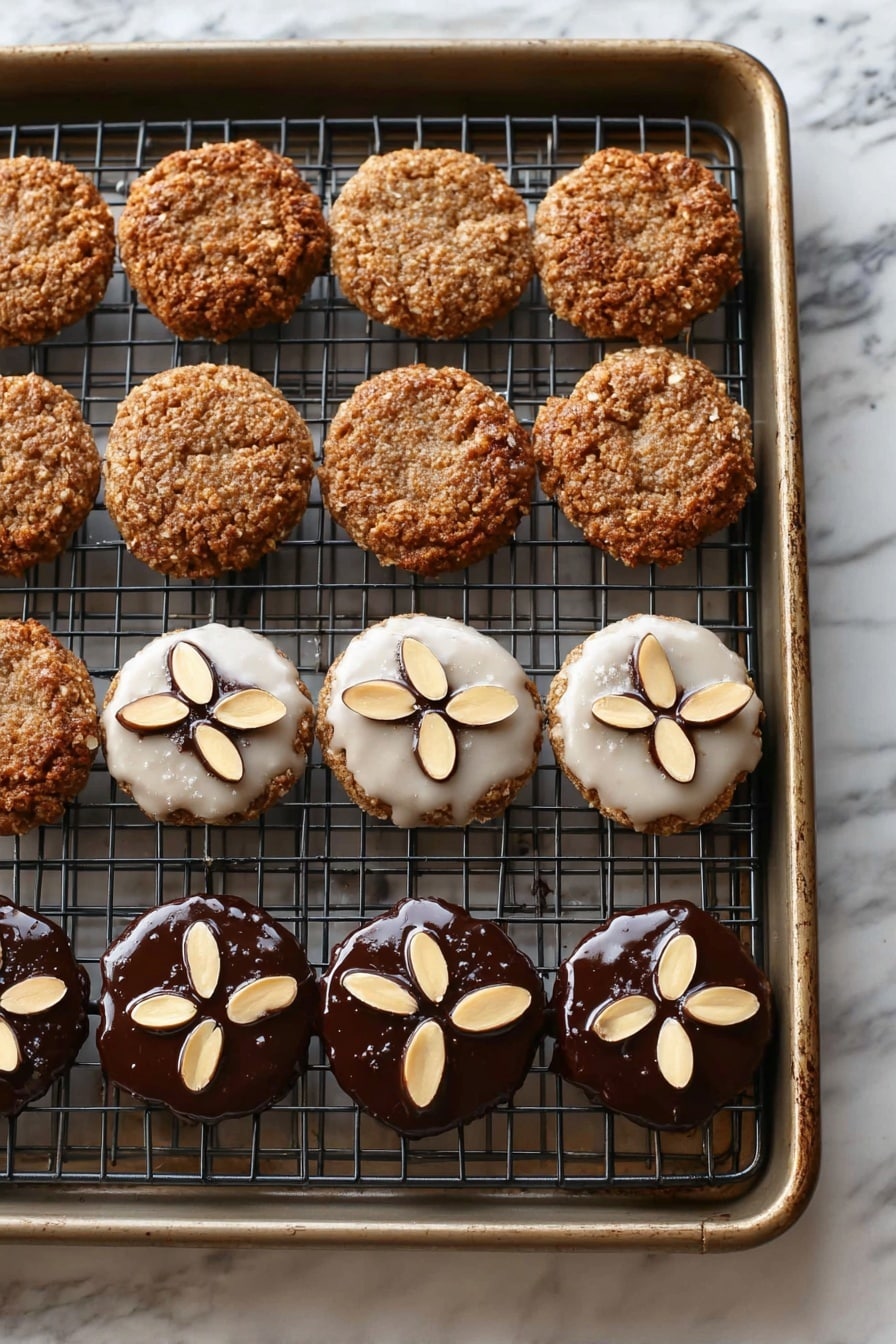
For the chocolate glaze, melt the chocolate and coconut oil together (I use the microwave in short bursts stirring in between) until smooth and easy to dip. For the sugar glaze, stir powdered sugar and water (or milk) until silky and glossy. Place a wire rack over a cookie sheet and dip half of each Lebkuchen into the glaze you prefer, letting excess drip off. While the glaze is still wet, press three halved almonds on top for decoration. Then set them back on the rack to dry completely—usually about an hour.
Pro Tips for Making German Lebkuchen Recipe with Chocolate Glaze Recipe
- Pulse Candied Peels, Don’t Overprocess: I learned that grinding them too fine loses texture and flavor bursts—just a few quick pulses is perfect.
- Choose High-Quality Spices and Nuts: Freshly ground Lebkuchengewürz and freshly ground almond and hazelnut flours make a huge difference in aroma and richness.
- Use Backoblaten or Wafers for Authenticity: I tried baking them without, but they don’t hold the classic texture and look that feels so special.
- Don’t Skip Cooling Before Glazing: Glazing warm cookies makes the glaze run and not stick nicely – patience here ensures pretty, glossy Lebkuchen.
How to Serve German Lebkuchen Recipe with Chocolate Glaze Recipe
Garnishes
I stick to the traditional three almond halves per Lebkuchen—it adds that charming rustic look and a little crunch. Sometimes for special occasions, I sprinkle edible gold dust or add a tiny sprinkle of sea salt on the chocolate glaze to contrast the sweetness beautifully.
Side Dishes
These cookies pair beautifully with a hot cup of mulled wine, spiced tea, or just a simple black coffee. My family often enjoys them alongside bowls of fresh fruit or a platter of cheeses and nuts during holiday gatherings.
Creative Ways to Present
For festive gifting or parties, I like stacking these Lebkuchen in glass jars layered with waxed paper and small sprigs of fresh rosemary or pine for aroma. You can also arrange them on decorative plates with clusters of cranberries and cinnamon sticks for a rustic holiday centerpiece.
Make Ahead and Storage
Storing Leftovers
I store the finished Lebkuchen in an airtight container at room temperature. They actually taste better after a few days as the spices meld and the texture softens slightly. Just make sure to keep them away from direct sunlight and moisture.
Freezing
Freezing these is totally doable! I freeze them in single layers separated by parchment paper inside airtight containers. When you’re ready to enjoy, just thaw at room temperature — the texture holds up beautifully with no sogginess.
Reheating
If you want to warm them up, pop the Lebkuchen in a 300°F oven for just a few minutes, covered loosely with foil to keep moisture in. This refreshes their softness without melting the glaze.
FAQs
-
What is Lebkuchen, and how is it different from gingerbread?
Lebkuchen is a traditional German spiced cookie, often softer and denser than American gingerbread. It includes ground nuts, candied peel, and a unique blend of spices called Lebkuchengewürz, giving it a distinctly rich flavor and chewy texture.
-
Can I make German Lebkuchen Recipe with Chocolate Glaze Recipe without the Backoblaten wafers?
While you can skip the wafers, they provide the traditional foundation that keeps the cookies from sticking and adds authenticity. Without them, the texture and presentation change—so I recommend trying to find Backoblaten online or at specialty stores.
-
How long will Lebkuchen stay fresh?
Stored in an airtight container at room temperature, these cookies keep well for several weeks. In fact, their flavor improves over time as the spices meld, making them perfect for making ahead of the holidays.
-
Can I use store-bought candied peels for this recipe?
You can, but I highly encourage making homemade candied lemon and orange peel if you have time. Freshly made peel has a brighter, more vibrant flavor that truly lifts the recipe. Plus, coating with flour before adding prevents clumping.
-
Is the chocolate glaze difficult to make?
Not at all! Just microwave the chocolate with coconut oil in short bursts and stir until smooth, or melt gently on the stovetop. The coconut oil keeps it fluid enough for dipping and adds a nice gloss when set.
Final Thoughts
This German Lebkuchen Recipe with Chocolate Glaze Recipe has forever been my go-to when I want something that feels like wrapping up a story of holiday gatherings, family warmth, and a tradition worth sharing. It’s not just about baking a cookie—it’s about creating moments, with aromas filling your home and smiles around the table. I hope you’ll enjoy making these as much as we do and pass this special recipe along to your loved ones. Trust me, once you take that first bite, you’ll understand why it’s so beloved.
Print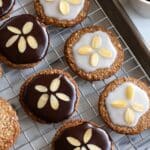
German Lebkuchen Recipe with Chocolate Glaze Recipe
- Prep Time: 20 minutes
- Cook Time: 25 minutes
- Total Time: 45 minutes
- Yield: Approximately 35 cookies using 70mm Backoblaten; about 25 cookies using 90mm Backoblaten
- Category: Dessert
- Method: Baking
- Cuisine: German
- Diet: Halal
Description
Authentic German Lebkuchen, known as Elisenlebkuchen, are traditional Christmas cookies made with a rich blend of almond and hazelnut flours, fragrant Lebkuchengewürz spice, and bits of candied citrus peel. These soft, flavorful treats are baked on thin wafers and finished with either a glossy chocolate or sweet powdered sugar glaze, adorned with blanched almonds. Perfect for holiday celebrations, they keep well and develop even deeper flavors over time.
Ingredients
Main Ingredients
- 5 large eggs
- 1 1/4 cup packed brown sugar
- 1/4 cup honey
- 1 teaspoon quality pure vanilla extract
- 2 cups almond flour
- 2 cups hazelnut flour
- 1/4 teaspoon salt
- 1/2 teaspoon baking powder
- 3 teaspoons Lebkuchengewürz (homemade or store-bought)
- 4 ounces candied lemon peel
- 4 ounces candied orange peel
- 1/4 cup all-purpose flour (for coating candied peel; can substitute gluten free flour)
- Backoblaten wafers (70mm or 90mm) or white communion wafers
- Blanched whole almonds, halved lengthwise
Chocolate Glaze
- 3 ounces quality dark or milk chocolate
- 2 teaspoons coconut oil (or oil of choice; do not use butter)
Sugar Glaze
- 1 cup sifted powdered sugar
- 3 tablespoons water or milk
Instructions
- Preheat Oven: Preheat the oven to 300 degrees Fahrenheit to ensure it reaches the right temperature for gentle baking of the Lebkuchen.
- Prepare Candied Peel: Toss the candied lemon and orange peel with about 1/4 cup all-purpose flour to prevent sticking, then pulse in a food processor until finely minced. Set aside this fragrant citrus mixture for incorporation.
- Mix Wet Ingredients: In a large mixing bowl, beat the eggs until foamy. Add the brown sugar, honey, and vanilla extract and beat until all ingredients are well combined, forming a smooth, sweet base.
- Combine Dry Ingredients: Add the almond flour, hazelnut flour, salt, baking powder, Lebkuchengewürz, and the minced candied citrus peels to the wet mixture. Stir vigorously by hand or beat with a stand mixer fitted with a paddle attachment for about 2 minutes until thoroughly incorporated. The batter will be wet; if too thin to scoop, add additional almond or hazelnut flour as needed.
- Scoop onto Wafers: Using a spoon or scoop, place generous portions of the batter onto each Backoblaten wafer, smoothing the tops and leaving a slight border around the edges. Arrange the wafers on a baking sheet lined with parchment paper or a silicone mat.
- Bake: Bake the Lebkuchen on the middle rack for 25 to 30 minutes, until they are set but still soft. Remove the baking sheet and allow the cookies to cool completely for best texture and glaze adherence.
- Prepare Glazes: For the chocolate glaze, melt the chocolate and coconut oil together in a small microwave-safe bowl in short intervals, stirring until smooth. For the sugar glaze, mix powdered sugar with water or milk in a bowl until smooth without lumps.
- Glaze Cookies: Set a wire rack over a baking sheet to catch drippings. Dip half of the cooled Lebkuchen cookies into the chocolate glaze and the other half into the sugar glaze, allowing the excess to drip off before placing them back on the wire rack.
- Add Almonds: While the glaze is still wet, arrange three blanched almond halves decoratively on each cookie to enhance appearance and add a crunchy texture contrast.
- Dry and Store: Let the glazed Lebkuchen dry completely until the glaze hardens. Store the cookies in an airtight container. They will keep well for several weeks and their flavors improve with time, making them ideal for holiday gifting or celebrations.
Notes
- Lebkuchen is one of Germany’s most popular and beloved Christmas confections, cherished for its rich flavor and festive spices.
- Using homemade Lebkuchengewürz and homemade candied citrus peel enhances the authenticity and depth of flavor in the cookies.
- Backoblaten wafers are traditional for authentic texture, but white communion wafers can be used as a substitute.
- Adjust nut flours if batter is too wet to achieve a scoopable consistency.
- These cookies keep well and actually taste better aged for several days or weeks stored airtight.
- Choose either chocolate or sugar glaze or both for variety and different flavor profiles.
Nutrition
- Serving Size: 1 Elisenlebkuchen cookie
- Calories: 175 kcal
- Sugar: 19 g
- Sodium: 34 mg
- Fat: 9 g
- Saturated Fat: 1 g
- Unsaturated Fat: 7 g
- Trans Fat: 0 g
- Carbohydrates: 22 g
- Fiber: 1 g
- Protein: 3 g
- Cholesterol: 23 mg