
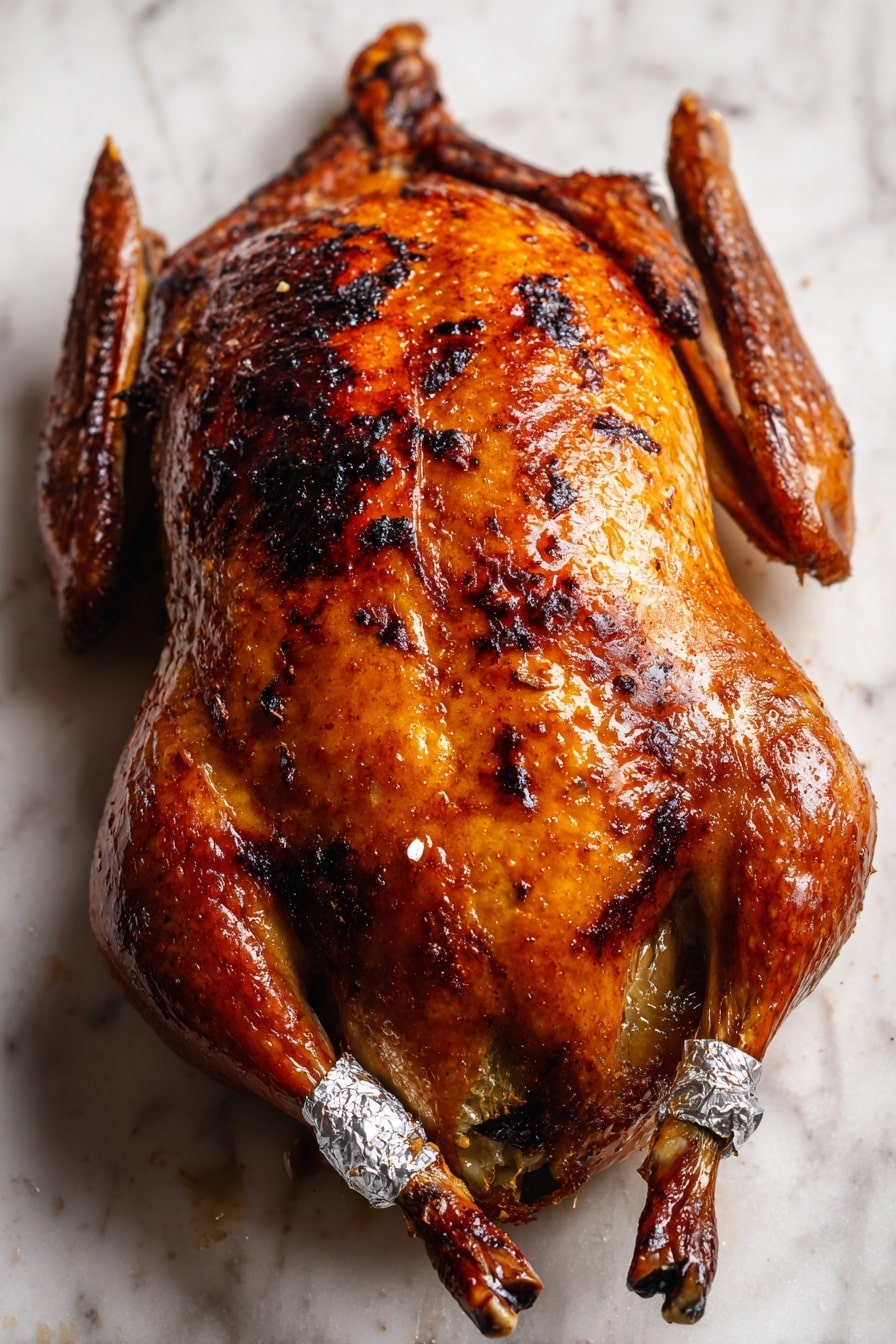
If you’re on the hunt for a truly show-stopping dinner, I absolutely love sharing this Roast Duck with Honey Balsamic Glaze Recipe because it combines juicy, tender meat with crispy, golden skin and a sweet yet tangy glaze that’s downright irresistible. When I first tried this, I was hooked—and after making it several times, I’ve gathered some handy tips to help you nail this impressive main dish every single time. Stick with me, and I’ll walk you through making a roast duck that’s perfect for special occasions or anytime you want to treat your loved ones to something extraordinary.
Why You’ll Love This Recipe
- Perfect Balance of Flavors: The honey and balsamic vinegar glaze gives a sweet and tangy finish that makes each bite memorable.
- Crispy Skin Every Time: Using simple roasting techniques, you’ll get that beautiful crackling skin we all crave without any fuss.
- Juicy, Tender Meat: I discovered that seasoning and slow roasting make the duck incredibly moist and flavorful inside.
- Great for Special Occasions: This recipe elevates any holiday or dinner celebration with minimal stress and maximum wow factor.

Ingredients You’ll Need
The ingredients here are simple, but they work wonderfully together to create a glaze that complements the rich flavor of duck. When shopping, I like to pick a fresh whole Pekin duck—it’s readily available and cooks beautifully. Using fresh lemons and real honey makes a noticeable difference in flavor, too.
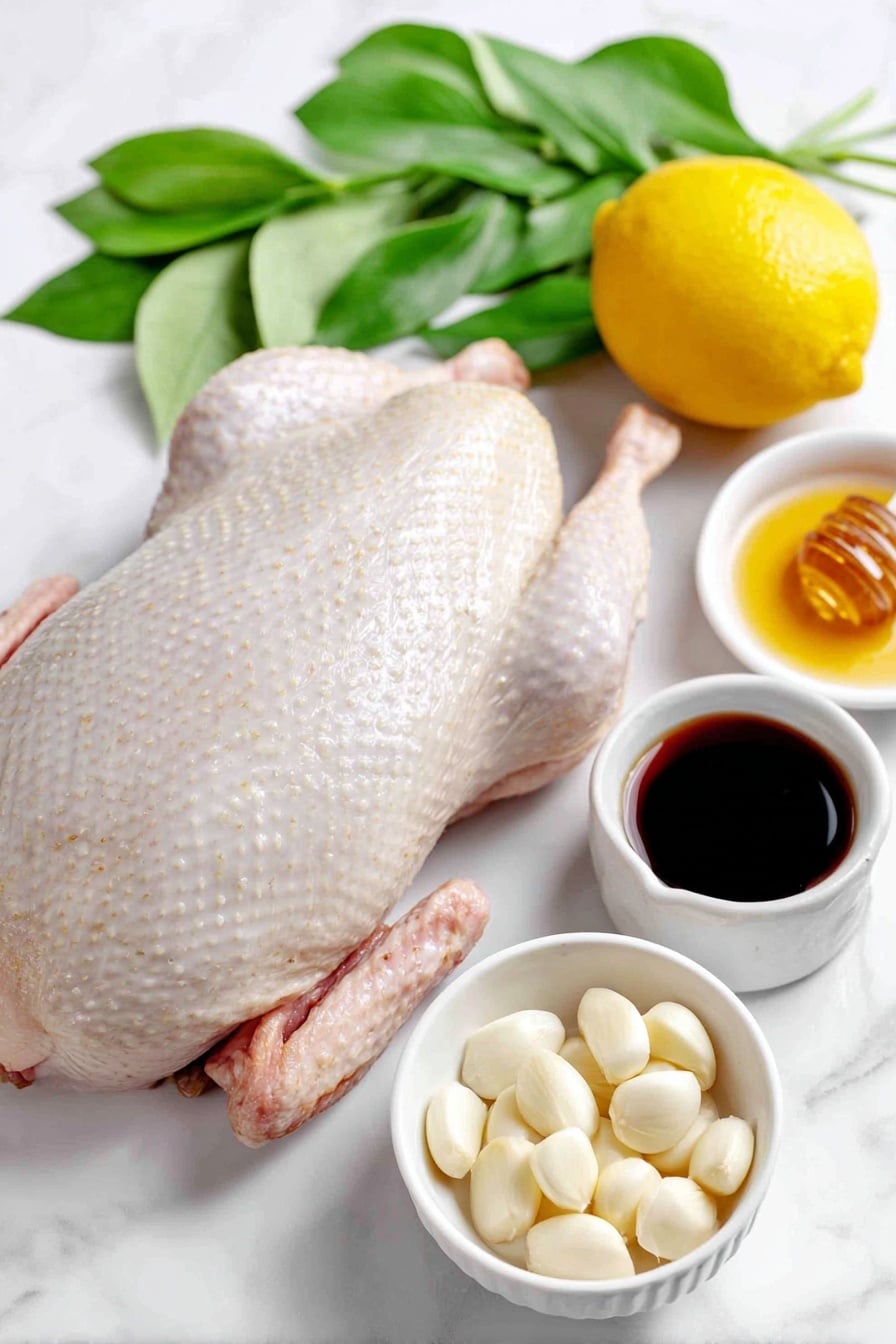
- Whole Pekin Duck: This variety has the perfect size and fat content for roasting.
- Salt: Essential for seasoning and drawing out moisture to get crispy skin.
- Garlic cloves (chopped): Adds fragrant depth and savory notes to the duck.
- Lemon (small or medium, chopped): Provides brightness and balances the rich duck flavor.
- Balsamic vinegar: Gives sweetness and tartness in the glaze, helping caramelize the skin.
- Freshly squeezed lemon juice: Enhances acidity in the glaze for that perfect zing.
- Honey: Adds natural sweetness and a beautiful shiny finish to the duck.
Variations
One of the things I love about this Roast Duck with Honey Balsamic Glaze Recipe is that it adapts really well to your tastes. Whether you want to turn down the sweetness or add a hint of spice, it’s easy to make it your own.
- Spiced Variation: Adding a pinch of cinnamon and star anise to the glaze gives this recipe a warm, cozy vibe—I tried it for Christmas and the whole family loved the twist.
- Low-Sugar Option: Swap the honey for a drizzle of maple syrup or reduce the amount slightly if you prefer less sweetness without sacrificing glaze stickiness.
- Herbal Infusion: Rubbing fresh thyme or rosemary under the skin before roasting adds an herbal aroma that’s simply amazing.
- Duck Breast Only: If you want a quicker cook, you can try this glaze on duck breast fillets—but be mindful that cooking times will vary.
How to Make Roast Duck with Honey Balsamic Glaze Recipe
Step 1: Prep and Season Your Duck
Start by patting the duck dry with paper towels—this helps the skin crisp up beautifully. Then, generously salt the inside and outside of the duck; the salt not only seasons the meat but also draws out excess moisture from the skin, which is key to crispiness. Next, stuff the cavity with chopped garlic and lemon pieces—this infuses the duck with lovely aroma as it roasts. Trust me, this little step makes a huge difference in flavor.
Step 2: Roast Low and Slow
Place the duck on a rack in a roasting pan, breast side up, to allow the fat to drip away and circulate heat evenly. Roast at 325°F (165°C) for about 3 hours. This slow roasting keeps the meat juicy and allows the fat beneath the skin to render out, making the skin crisp when it’s time for the glaze. Be patient here — if you rush the temperature, the skin might not crisp properly.
Step 3: Prepare the Honey Balsamic Glaze
While the duck is roasting, whisk together the balsamic vinegar, freshly squeezed lemon juice, and honey in a small saucepan. Heat it gently over medium heat until the mixture reduces and thickens into a syrupy glaze. The aroma of this glaze filling your kitchen is one of my favorite parts of making this recipe—it’s intoxicating and makes you even more excited for that first slice of duck!
Step 4: Glaze and Finish Roasting
About 20 minutes before the duck is done, brush the honey balsamic glaze all over the skin. Return the duck to the oven and roast until the glaze sets and the skin turns a gorgeous deep amber with a shiny finish—this usually takes around 15-20 minutes. Keep an eye on it so the glaze doesn’t burn—if it starts to darken too quickly, lightly tent the duck with foil.
Step 5: Rest Before Carving
Once your roast duck looks perfectly glazed and crispy, pull it out and let it rest for 10-15 minutes before carving. Resting allows the juices to redistribute throughout the meat, which means every bite will be deliciously moist. This is a trick I learned after initially serving dry duck—and honestly, it changed everything.
Pro Tips for Making Roast Duck with Honey Balsamic Glaze Recipe
- Dry Skin is Key: Always pat the duck skin dry before seasoning to ensure maximum crispiness.
- Render out Fat Slowly: Roast at a moderate temperature so the fat can melt away without burning the skin.
- Glaze Towards the End: Applying the honey balsamic glaze too early can cause burning; wait for the last 20 minutes of roasting.
- Rest Before Carving: Letting the duck rest after roasting keeps the meat juicy and makes carving easier.
How to Serve Roast Duck with Honey Balsamic Glaze Recipe
Garnishes
I like to garnish with a few fresh lemon wedges to add brightness right at the table, plus some chopped fresh parsley for a pop of color and freshness. Sometimes I throw on a few whole cranberries if I’ve made this for a holiday meal—it adds a fun tart burst and looks festive.
Side Dishes
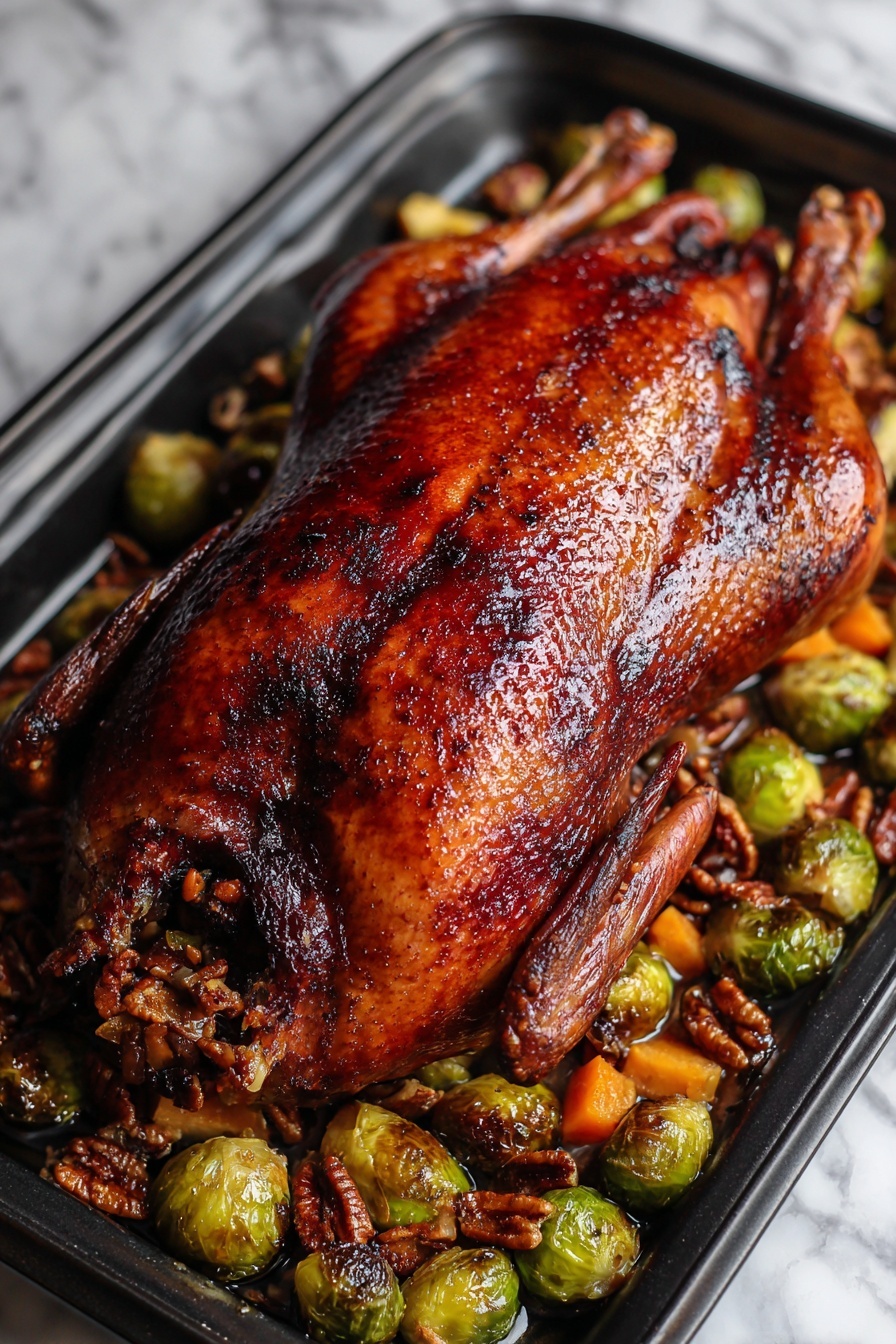
I usually pair this roast duck with creamy mashed potatoes or a wild rice pilaf to soak up the extra glaze and duck juices. Roasted Brussels sprouts or glazed carrots also make fantastic compliments with their natural sweetness balancing the rich duck. Trust me, these sides elevate the meal without overshadowing the star — the duck.
Creative Ways to Present
For special guests or celebrations, I’ve served the carved duck on a large wooden board garnished with fresh herbs, lemon slices, and a drizzle of leftover glaze. It turns the meal into a rustic yet elegant centerpiece that impresses everyone. Another fun idea is serving individual duck portions over a bed of wild greens tossed lightly with balsamic–a balance of savory and fresh that’s really delightful.
Make Ahead and Storage
Storing Leftovers
I like to let any leftover roast duck cool completely before wrapping it tightly in foil or placing it in an airtight container. It keeps well in the fridge for up to 3 days. When you’re ready to eat it again, the flavors are still fantastic and the meat remains juicy.
Freezing
If you want to freeze leftovers, slice the duck first and pack portions in freezer-safe bags with some of the glaze to prevent drying out. I’ve found it keeps best for up to 2 months. Just thaw overnight in the fridge before reheating.
Reheating
I reheat leftover duck gently in a 325°F oven covered with foil to avoid drying it out, usually for 15-20 minutes until warmed through. Sometimes I brush on a little more honey balsamic glaze before warming to refresh that wonderful flavor and glossy finish.
FAQs
-
Can I use this honey balsamic glaze recipe for other poultry?
Absolutely! This glaze works beautifully on chicken, turkey, or even Cornish hens. The balance of sweet and tangy complements most poultry well. Just adjust cooking times accordingly based on the bird’s size.
-
How do I ensure the duck skin gets crispy?
Drying the skin thoroughly before roasting and slowly rendering the fat at moderate heat are key. Also, avoid covering the duck during roasting and apply the glaze only in the last 20 minutes to prevent soggy or burnt skin.
-
Is there a difference between Pekin duck and other types?
Pekin duck is common for roasting because of its tender meat and manageable fat content. Other breeds can work but may have stronger flavors or require different cooking times.
-
Can I prepare the glaze ahead of time?
Yes, you can make the honey balsamic glaze ahead and store it in the refrigerator for up to a week. Reheat gently before brushing it on the duck during the last roasting stage.
-
What side dishes pair best with roast duck?
Classic creamy mashed potatoes, roasted seasonal vegetables like Brussels sprouts or carrots, and a light salad balance the rich flavor of duck nicely. Wild rice pilaf or even a sweet potato puree are also great options.
Final Thoughts
Making this Roast Duck with Honey Balsamic Glaze Recipe has become one of my favorite culinary rituals because it’s rewarding and relatively straightforward, yet the result always feels elegant and special. I still remember the first time I served it to my family—everyone went crazy for that perfect crispy skin and the luxurious glaze. If you want to impress without stress, I truly recommend giving this recipe a try. It’s one of those dishes that tastes like you spent hours in the kitchen, but really, it’s all about a few smart techniques and great ingredients. Enjoy the process, and even more, enjoy the smiles around your table!
Print
Roast Duck with Honey Balsamic Glaze Recipe
- Prep Time: 20 min
- Cook Time: 180 min
- Total Time: 200 min
- Yield: 6 servings
- Category: Main Dish
- Method: Baking
- Cuisine: American
Description
This Roast Duck recipe features a whole Pekin duck with juicy meat and crispy skin, glazed with a sweet and tangy honey-balsamic glaze. The duck is roasted to perfection in the oven, making it an ideal main dish for special occasions like Thanksgiving, Christmas, and New Year’s Eve. The combination of garlic, lemon, and balsamic vinegar enhances the rich flavor of the duck, resulting in a beautifully roasted and flavorful meal.
Ingredients
Duck and Seasoning
- 6 lb whole Pekin duck
- Salt, to taste
- 5 garlic cloves, chopped
- 1 lemon (small or medium), chopped
Honey-Balsamic Glaze
- 1/2 cup balsamic vinegar
- 1 lemon, freshly squeezed juice
- 1/4 cup honey
Instructions
- Preheat the oven: Preheat your oven to 375°F (190°C) to prepare for roasting the duck.
- Prepare the duck: Rinse the Pekin duck and pat it dry thoroughly with paper towels. Season the inside and outside of the duck generously with salt. Stuff the duck cavity with the chopped garlic cloves and chopped lemon to infuse it with aromatic flavors during roasting.
- Score the skin: Using a sharp knife, carefully score the skin of the duck in a crisscross pattern to help render the fat and achieve crispy skin.
- Roast the duck: Place the duck breast side up on a rack in a roasting pan. Roast in the preheated oven for approximately 2 hours and 30 minutes to 3 hours (about 180 minutes), or until the internal temperature reaches 165°F (74°C) and the skin is golden brown and crispy. Spoon the rendered fat out of the bottom of the pan periodically.
- Prepare the glaze: While the duck is roasting, combine the balsamic vinegar, freshly squeezed lemon juice, and honey in a small saucepan. Heat over medium heat and simmer gently, stirring occasionally, until the glaze reduces and thickens slightly, about 10 minutes.
- Glaze the duck: About 15 minutes before the duck is done, brush the honey-balsamic glaze over the duck evenly. Return to the oven and continue roasting to let the glaze caramelize and create a beautiful, shiny coating.
- Rest the duck: Once done, remove the duck from the oven and let it rest for at least 15 minutes before carving to allow juices to redistribute and ensure moist meat.
- Serve: Carve the duck and serve immediately, spooning additional glaze or pan juices over the meat as desired.
Notes
- This recipe provides detailed step-by-step guidance with photos for roasting a whole duck in the oven.
- The honey-balsamic glaze adds a beautiful roasted look and enhances flavor with a perfect balance of sweetness and acidity.
- Perfect for special occasions, including Thanksgiving, Christmas, and New Year’s Eve dinners.
- Make sure to render out the duck fat during roasting; save it for roasting vegetables or frying for extra flavor.
Nutrition
- Serving Size: 1 serving
- Calories: 2862 kcal
- Sugar: 23 g
- Sodium: 438 mg
- Fat: 267 g
- Saturated Fat: 89 g
- Unsaturated Fat: 178 g
- Trans Fat: 0 g
- Carbohydrates: 29 g
- Fiber: 1 g
- Protein: 79 g
- Cholesterol: 517 mg