
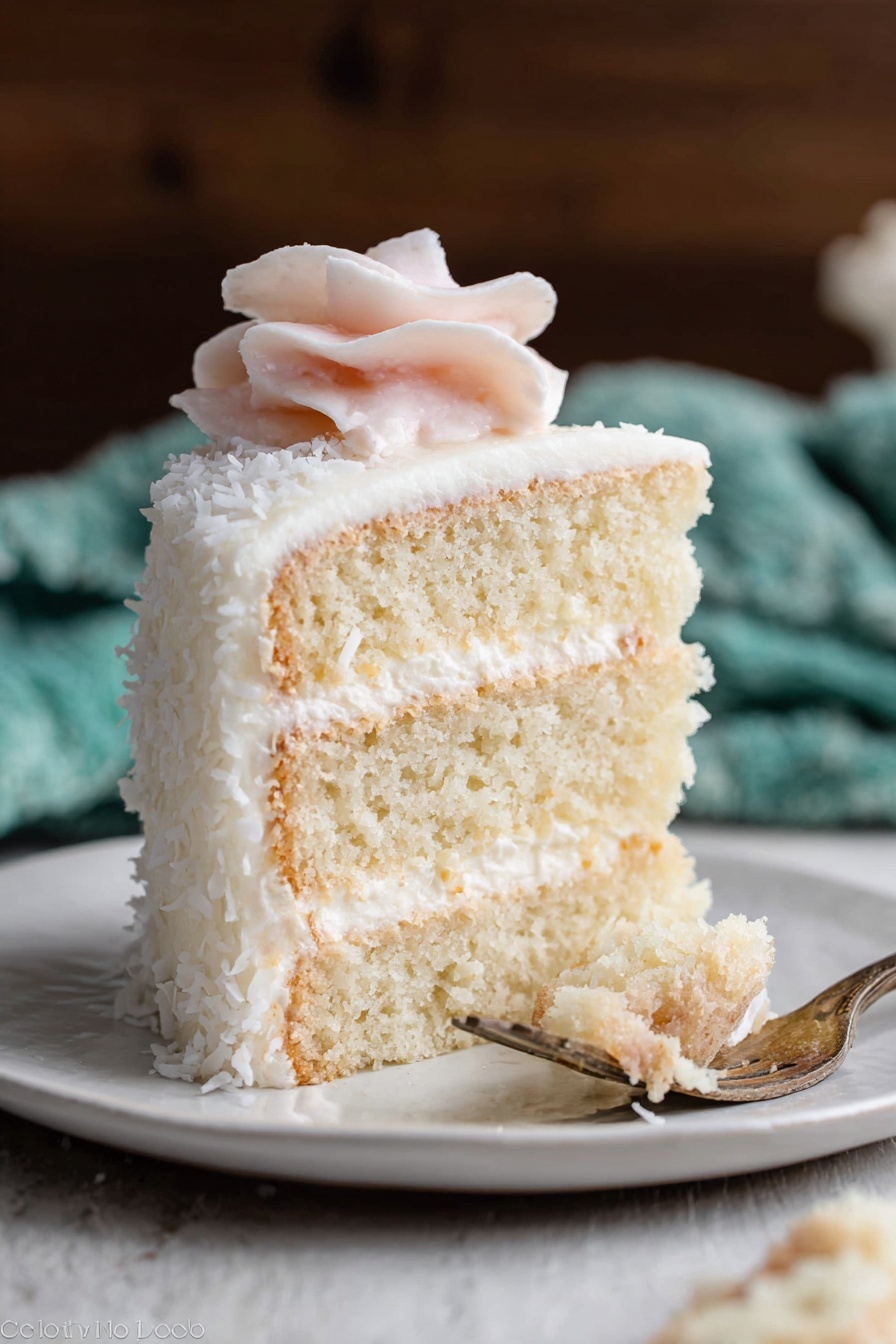
If you’re craving a cake that’s truly special and bursting with tropical flavor, then you’ve got to try this Decadent Coconut Layer Cake Recipe. I absolutely love how this turns out—moist layers infused with coconut milk, fluffy shredded coconut in every bite, and a luscious cream cheese coconut frosting that’s just dreamy. Trust me, once you make it, your family and friends will be asking for it again and again. Stick around, and I’ll walk you through the entire process so you nail it perfectly every single time.
Why You’ll Love This Recipe
- Moist and Fluffy Layers: The combination of cake flour, egg whites, and coconut milk creates a soft crumb you’ll swoon over.
- Rich Coconut Flavor: From the coconut extract to shredded coconut, every bite celebrates coconut in a perfect balance.
- Cream Cheese Frosting Magic: The velvety frosting is just sweet enough with a hint of coconut—totally indulgent.
- Impresses Every Time: Whether it’s for birthdays or gatherings, this cake is a showstopper that’s surprisingly straightforward to make.

Ingredients You’ll Need
I love how the ingredients in this Decadent Coconut Layer Cake Recipe come together—they’re simple kitchen staples elevated with tropical twists. For best results, I always use cake flour for that tender texture and canned coconut milk for a rich coconut essence.
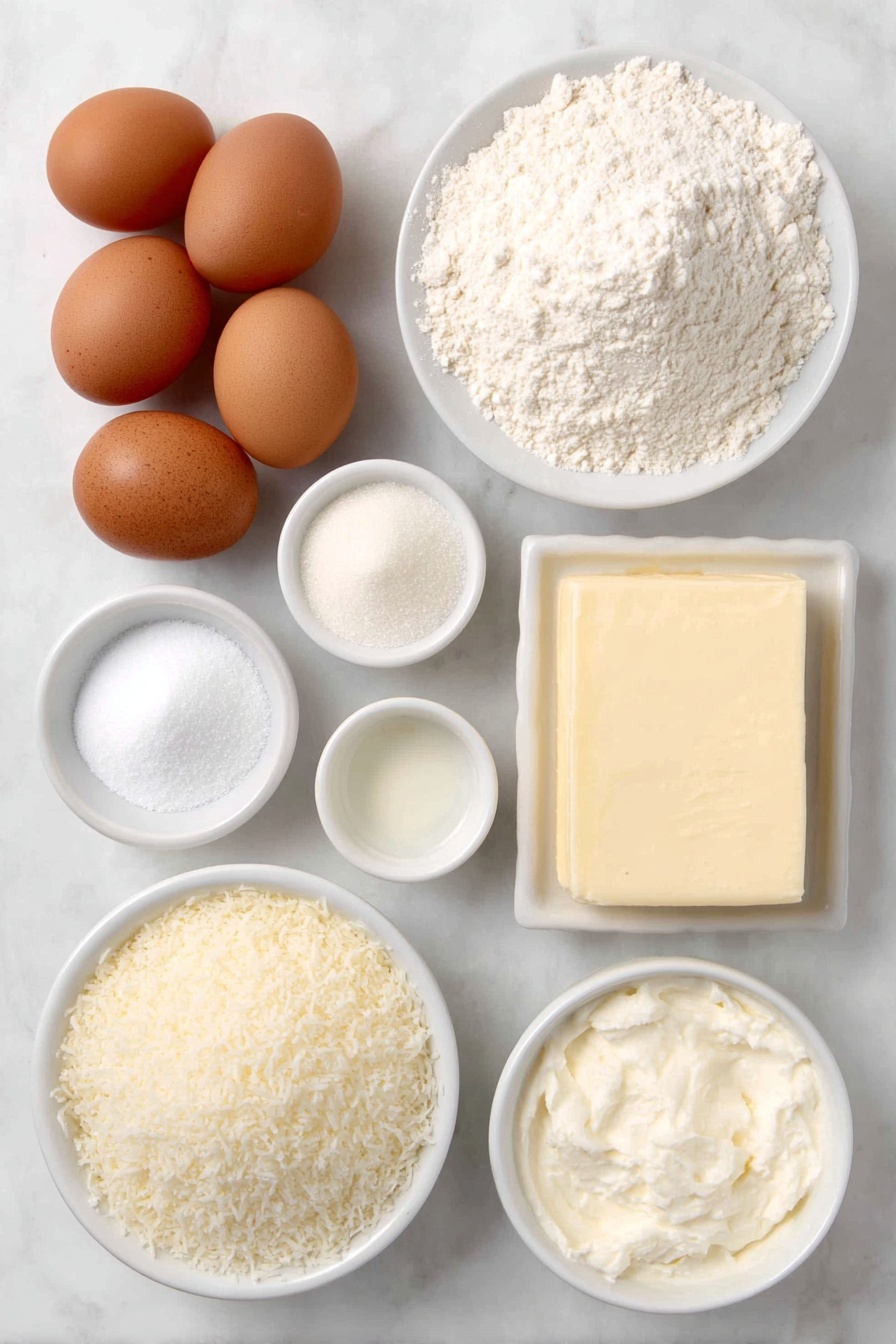
- Cake flour: This lighter flour gives the cake its delicate crumb; spoon and level for accuracy.
- Baking powder and baking soda: Working together to give the cake the perfect lift.
- Salt: Enhances all the sweet and coconut notes beautifully.
- Unsalted butter (softened): Room temperature is key for smooth creaming with the sugar.
- Granulated sugar: Sweetens without overpowering the coconut flavor.
- Large egg whites: Adds lightness—make sure they’re at room temperature.
- Sour cream: Keeps the cake moist and adds a subtle tang.
- Pure vanilla and coconut extracts: Provide that signature tropical aroma and depth.
- Unsweetened canned coconut milk: The secret to tropical richness and moisture.
- Sweetened shredded coconut: Adds texture and an extra coconut punch inside and out.
- Cream cheese (full-fat, softened): Creates that silky, dreamy frosting base.
- Confectioners’ sugar: Gives the frosting sweetness and smooth finish.
Variations
One of the things I love most about this Decadent Coconut Layer Cake Recipe is how adaptable it is. Over the years, I’ve played around with different tweaks that personalize the cake without sacrificing its classic coconut charm.
- Tropical Twist: Add a layer of fresh pineapple chunks between the frosting layers for an extra burst of sunshine—I tried it on a summer weekend, and my family went crazy for it.
- Dairy-Free Adaptation: Substitute the cream cheese and butter in the frosting with coconut-based vegan cream cheese and margarine—I’ve done this to accommodate friends, and it’s still delicious.
- Toasted Coconut: Toast the shredded coconut before adding it to the batter and decorating. It adds a nutty crunch I discovered by accident once—and it’s a game changer.
- Mini Layer Cakes: Instead of three layers, make mini layered cupcakes using this batter; great for parties and easier to serve.
How to Make Decadent Coconut Layer Cake Recipe
Step 1: Prep Your Pans and Dry Ingredients
First thing’s first—preheat your oven to 350°F (177°C). Grease three 8-inch cake pans and line them with parchment paper rounds, then grease the paper too. I discovered this trick when I was tired of my cakes sticking, and it makes removing the layers a breeze. Next, whisk together cake flour, baking powder, baking soda, and salt in a bowl. This ensures even distribution of leavening agents so your cake rises perfectly.
Step 2: Cream Butter and Sugar, Then Add Egg Whites
Using a mixer fitted with the paddle or whisk attachment, beat softened butter and sugar on medium-high speed until smooth and creamy—about 2 minutes. Scrape the bowl sides to keep things even. Then, add the egg whites, beaten in until just combined. This step adds lightness without heaviness you’d get if you used whole eggs.
Step 3: Incorporate Sour Cream and Extracts
Beat in the sour cream, vanilla, and coconut extracts. The batter may look a little curdled here because you’re combining solid butter with wetter ingredients—but don’t worry, it all comes together in the next step.
Step 4: Add Dry Ingredients and Coconut Milk Slowly
With the mixer on low, gradually add your dry ingredient mixture alternated with the canned coconut milk. This slow addition helps create a uniform batter without overmixing. Once everything’s just combined, fold in the shredded coconut by hand to avoid lumps—this gentle touch preserves the cake’s tender crumb.
Step 5: Bake the Cake Layers
Divide the batter evenly among your prepared pans. If you want to be super precise like me, weigh each pan to make sure the layers bake evenly. Bake for 21-24 minutes until a toothpick inserted comes out clean. After baking, let them cool in the pans on a cooling rack for an hour—this resting time helps the cakes firm up a bit before frosting so you get neat layers.
Step 6: Whip up the Cream Cheese Coconut Frosting
In a large bowl, beat softened butter and cream cheese together until creamy and smooth, usually about 2 minutes. With the mixer running on low, add confectioners’ sugar, coconut milk, vanilla, coconut extract, and salt. Then crank it up to high and beat for 3 minutes—it becomes fluffy, light, and perfect for spreading. If it’s too thin, add more sugar; if too thick, a splash more coconut milk will help.
Step 7: Assemble and Frost Your Cake
Trim the tops of your cooled cakes with a serrated knife to make flat surfaces—this makes stacking easier and the cake sturdier (and hey, those trimmings are tasty snack bites or ice cream toppers!). Layer the first cake on your plate, spread about one heaping cup of frosting evenly, then repeat with the second layer. After placing the third layer, spread the remaining frosting all over the outside. I recommend using an icing spatula and a bench scraper for a smooth finish. Finally, press shredded coconut onto the sides and top—it’s a bit messy, but totally worth the heavenly texture.
Step 8: Chill and Slice
Pop your finished cake in the fridge for at least 20 minutes before slicing. This really helps the frosting set so every slice stays neat. Even though the cake is fluffy, it holds together beautifully once chilled.
Pro Tips for Making Decadent Coconut Layer Cake Recipe
- Room Temp Ingredients: I’ve found that using room temperature butter, egg whites, sour cream, and coconut milk makes mixing smooth and creates a tender crumb.
- Don’t Overmix: Mix until just combined once adding dry ingredients to avoid dense layers.
- Even Layers Matter: Weighing cake batter in pans ensures your layers bake evenly and stack nicely.
- Frosting Consistency: Adjust confectioners’ sugar and coconut milk slowly; you want spreadable yet stable frosting so the cake stays beautiful when sliced.
How to Serve Decadent Coconut Layer Cake Recipe
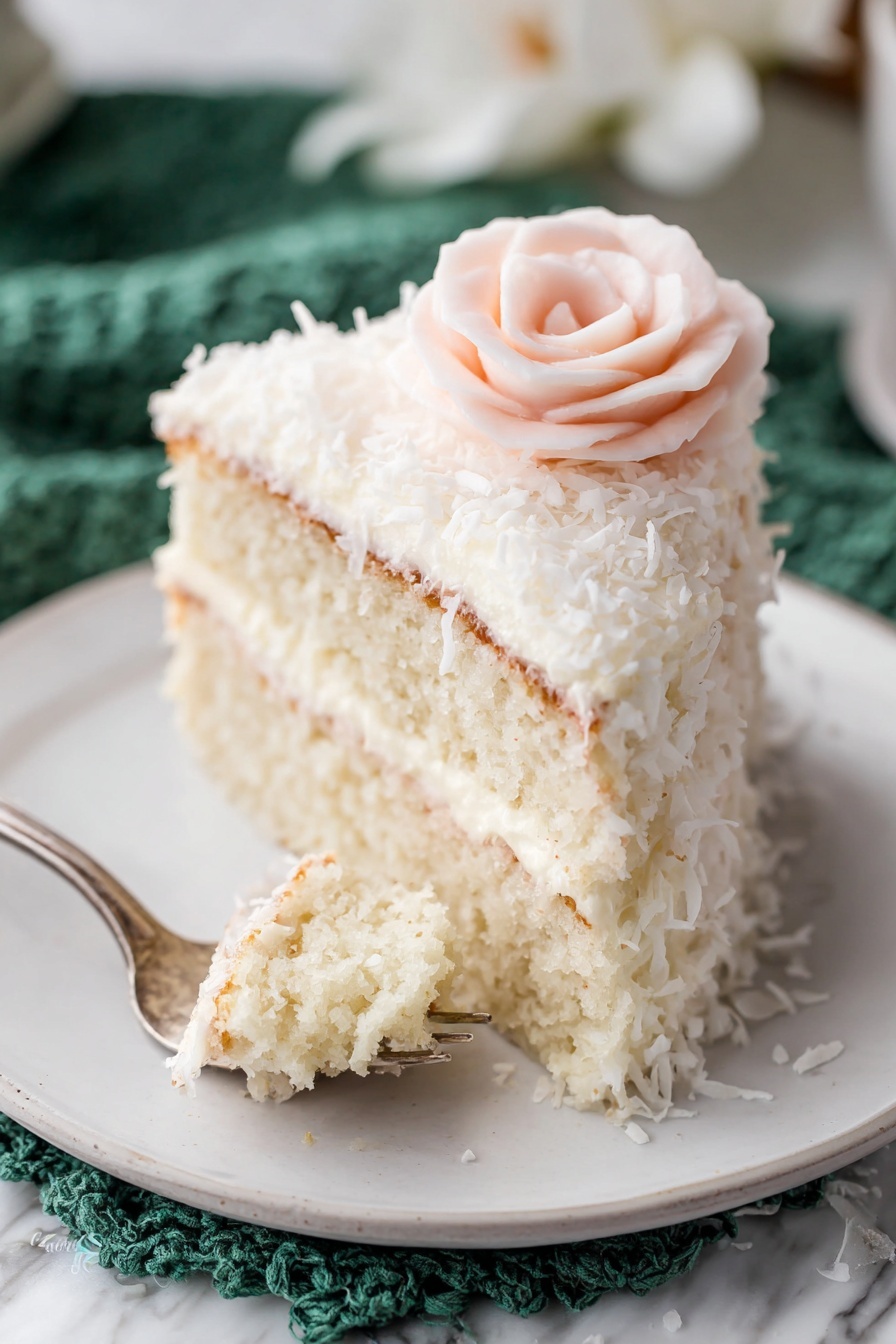
Garnishes
I like to keep the coconut theme going by garnishing with plenty of shredded coconut—even sometimes lightly toasted for a slight crunch contrast. Fresh tropical fruits like pineapple wedges or passion fruit drizzles elevate it even more when serving guests.
Side Dishes
This cake pairs beautifully with a scoop of vanilla bean ice cream or a simple cup of freshly brewed coffee. For brunch or parties, fresh fruit salads with pineapple, mango, and banana complement the flavors beautifully and keep things light.
Creative Ways to Present
For birthdays, I’ve enjoyed creating pretty buttercream rosettes using a piping bag on top and adding toasted coconut flakes to create an elegant but rustic look. Another fun idea is stacking mini versions of this cake as individual servings—perfect for weddings or showers!
Make Ahead and Storage
Storing Leftovers
Leftover cake should be tightly wrapped and stored in the fridge. I place mine in an airtight container or cover with plastic wrap to keep the frosting from drying out. It stays delicious for up to 5 days, which is great because it’s rarely around that long in my house!
Freezing
If you want to freeze, wrap individual cake layers tightly in plastic wrap, then foil, and freeze for up to 2 months. When you’re ready, thaw layers overnight in the fridge before assembling and frosting. I do this when prepping ahead for special occasions—it saves so much stress.
Reheating
This cake is best served at room temperature, so before slicing, take it out of the fridge about 30 minutes prior. If frozen, let it thaw fully in the fridge first. I avoid microwaving frosting-covered slices, as it can melt the beautiful frosting texture.
FAQs
-
Can I use regular milk instead of coconut milk in this Decadent Coconut Layer Cake Recipe?
While you technically can substitute regular milk, it won’t have the same rich coconut flavor or moisture that canned coconut milk provides. For that signature taste and texture, I highly recommend using full-fat canned coconut milk as the recipe suggests.
-
Why should I use cake flour instead of all-purpose flour?
Cake flour has a lower protein content, resulting in a softer, more tender crumb. I used to struggle with dense coconut cakes until I switched to cake flour—it really makes a difference in how light and fluffy the layers turn out.
-
Can I make this Decadent Coconut Layer Cake Recipe vegan?
To make it vegan, you’d need substitutes for eggs, butter, sour cream, and cream cheese. I’ve experimented with vegan margarine, coconut yogurt, and aquafaba as an egg replacer, but results vary. If you’re up for some trial and error, it can work! Otherwise, this recipe shines best as written.
-
How do I prevent my coconut cake from drying out?
Make sure to measure the flour properly and avoid overbaking the cake layers. Also, chilling the cake before slicing keeps the frosting stable and helps retain moisture. I always rely on the toothpick test and take my cake out as soon as it’s done baking.
Final Thoughts
This Decadent Coconut Layer Cake Recipe holds a special place in my heart—it’s the cake I bring to celebrations when I want to impress without stress. The balance of moist coconut layers and mellow frosting has won over even those who aren’t passionate coconut fans. I hope you enjoy baking and sharing it as much as I do. Give it a try, and let me know how it becomes a favorite in your kitchen too!
Print
Decadent Coconut Layer Cake Recipe
- Prep Time: 35 minutes
- Cook Time: 22 minutes
- Total Time: 4 hours
- Yield: 12 servings
- Category: Dessert
- Method: Baking
- Cuisine: American
Description
This Coconut Cake recipe delivers a supremely moist, fluffy cake with an intense coconut flavor, perfect for celebrations or any time you crave a tropical treat. The cake layers are tender and light, made with cake flour, egg whites, sour cream, and canned coconut milk, then generously frosted with a creamy coconut buttercream and finished with sweet shredded coconut for extra texture and flavor.
Ingredients
Cake
- 2 and 1/2 cups (285g) cake flour (spooned & leveled)
- 2 teaspoons baking powder
- 1/2 teaspoon baking soda
- 1 teaspoon salt
- 3/4 cup (12 Tbsp; 170g) unsalted butter, softened to room temperature
- 1 and 2/3 cups (330g) granulated sugar
- 5 large egg whites, at room temperature
- 1/2 cup (120g) sour cream, at room temperature
- 2 teaspoons pure vanilla extract
- 1 teaspoon coconut extract
- 1 cup (226g/240ml) unsweetened canned coconut milk, at room temperature
- 1 cup (80g) sweetened shredded coconut
Frosting
- 1 cup (16 Tbsp; 226g) unsalted butter, softened to room temperature
- 8 ounces (226g) full-fat brick cream cheese, softened to room temperature
- 5 cups (600g) confectioners’ sugar
- 2 Tablespoons (30ml) canned coconut milk
- 1/2 teaspoon pure vanilla extract
- 1/2 teaspoon coconut extract
- 1/8 teaspoon salt
- 2 cups (160g) sweetened shredded coconut
Instructions
- Preheat and prepare pans. Preheat your oven to 350°F (177°C). Grease three 8-inch cake pans and line each with parchment paper rounds, then grease the parchment paper to ensure the cakes release easily after baking.
- Mix dry ingredients. Whisk together cake flour, baking powder, baking soda, and salt in a medium bowl and set aside.
- Cream butter and sugar. Using a handheld or stand mixer fitted with a paddle or whisk attachment, beat the butter and granulated sugar on medium-high speed until smooth and creamy, about 2 minutes. Scrape down the bowl as needed.
- Add egg whites, sour cream, and extracts. Beat in the egg whites until combined, then add sour cream, vanilla extract, and coconut extract. Beat until the mixture is combined. It may appear slightly curdled due to texture differences—this is normal. Scrape the sides and bottom of the bowl again.
- Add dry ingredients and coconut milk. With mixer on low speed, gradually add the dry ingredients and coconut milk. Beat until just combined.
- Fold in shredded coconut. Stir in the sweetened shredded coconut by hand to ensure even distribution and no butter lumps remain. The batter will be somewhat thick.
- Divide batter and bake. Pour the batter evenly into the prepared cake pans, weighing each if desired for uniform layers. Bake for 21–24 minutes or until a toothpick inserted into the center comes out clean.
- Cool cakes. Let cakes cool in their pans on a wire rack for 1 hour. Then remove from pans and cool completely directly on the rack before frosting.
- Prepare frosting. In a large bowl, beat the butter and cream cheese together on medium speed until creamy and smooth, about 2 minutes. Gradually add confectioners’ sugar, coconut milk, vanilla extract, coconut extract, and salt on low speed. Once combined, increase speed and beat for 3 minutes. Adjust consistency by adding more sugar if too thin or more coconut milk if too thick.
- Level cakes. Using a serrated knife, slice a thin layer off the tops of each cake layer to create flat surfaces. Discard or crumble the trimmings for a garnish or snack.
- Assemble the cake. Place one cake layer on a serving plate or turntable. Spread about 1 heaping cup (250–300g) of frosting evenly over the top. Repeat layering with the second cake layer and frosting. Add the third layer, then spread the remaining frosting over the top and sides of the cake. Use an icing spatula and bench scraper for a smooth finish.
- Add shredded coconut garnish. Generously sprinkle shredded coconut on top and around the sides of the cake for decoration and added texture.
- Chill before serving. Refrigerate the cake for at least 20 minutes to help it firm up for easier slicing. The cake remains fluffy but holds shape better when chilled.
- Store leftovers. Cover leftover cake tightly and refrigerate for up to 5 days to maintain freshness.
Notes
- This cake sets the benchmark for homemade cakes with its moist, fluffy crumb and bold coconut flavor.
- Use cake flour for the lightest texture and the exact balance of ingredients for best results.
- Egg whites and sour cream contribute to the soft and tender crumb.
- Canned coconut milk adds authentic coconut flavor and moisture without overpowering the cake.
- Make sure all dairy ingredients are at room temperature for smooth batter and frosting.
- Cooling the cakes completely before frosting is crucial to prevent melting or sliding layers.
- For uniform cake layer thickness, weigh the batter in each pan before baking.
- If frosting consistency is too thick or thin, adjust with additional sugar or coconut milk accordingly.
- Refrigerating the assembled cake before slicing helps maintain its fluffy yet stable structure.
Nutrition
- Serving Size: 1 slice (1/12 of cake)
- Calories: 450
- Sugar: 38g
- Sodium: 300mg
- Fat: 26g
- Saturated Fat: 15g
- Unsaturated Fat: 9g
- Trans Fat: 0.5g
- Carbohydrates: 48g
- Fiber: 1g
- Protein: 5g
- Cholesterol: 70mg