
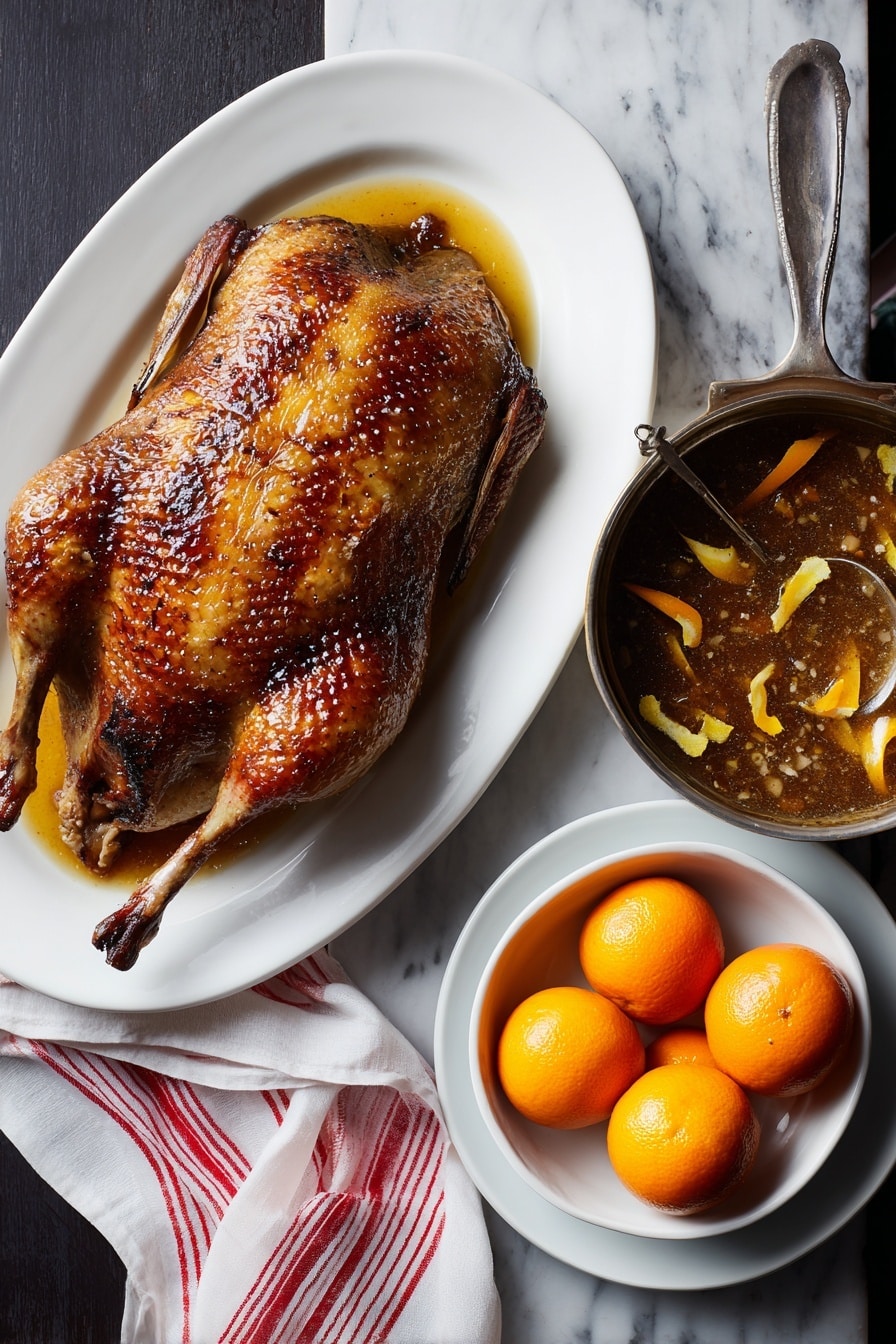
If you’ve ever dreamed of making a classic French dish that wows every time, you’ll want to stick around for my Duck à l’Orange with Rich Sauce Recipe. This recipe is a beautiful balance of crispy roast duck and a tangy, luscious orange sauce that I absolutely love. When I first tried making duck at home, I was intimidated by the idea of the sauce – this one changed everything. It’s not just delicious, it’s downright impressive but surprisingly approachable, too. Keep reading and I’ll walk you through everything you need to know to nail this timeless dish.
Why You’ll Love This Recipe
- Perfect balance: The rich duck pairs beautifully with a bright, tangy orange sauce that cuts through the richness.
- Impressive yet doable: Don’t let the fancy reputation fool you; the steps break down into simple, manageable parts.
- Made-from-scratch sauce: I discovered that making the sauce from real stock and a homemade gastrique makes all the difference.
- Ideal for special occasions: Whether it’s a date night or holiday dinner, this recipe will wow your guests every time.

Ingredients You’ll Need
All ingredients in this Duck à l’Orange with Rich Sauce Recipe come together to create a beautifully balanced dish that’s rich, tangy, and satisfyingly savory. Fresh aromatics and quality stock are key to making the sauce truly shine, so plan your shopping accordingly.
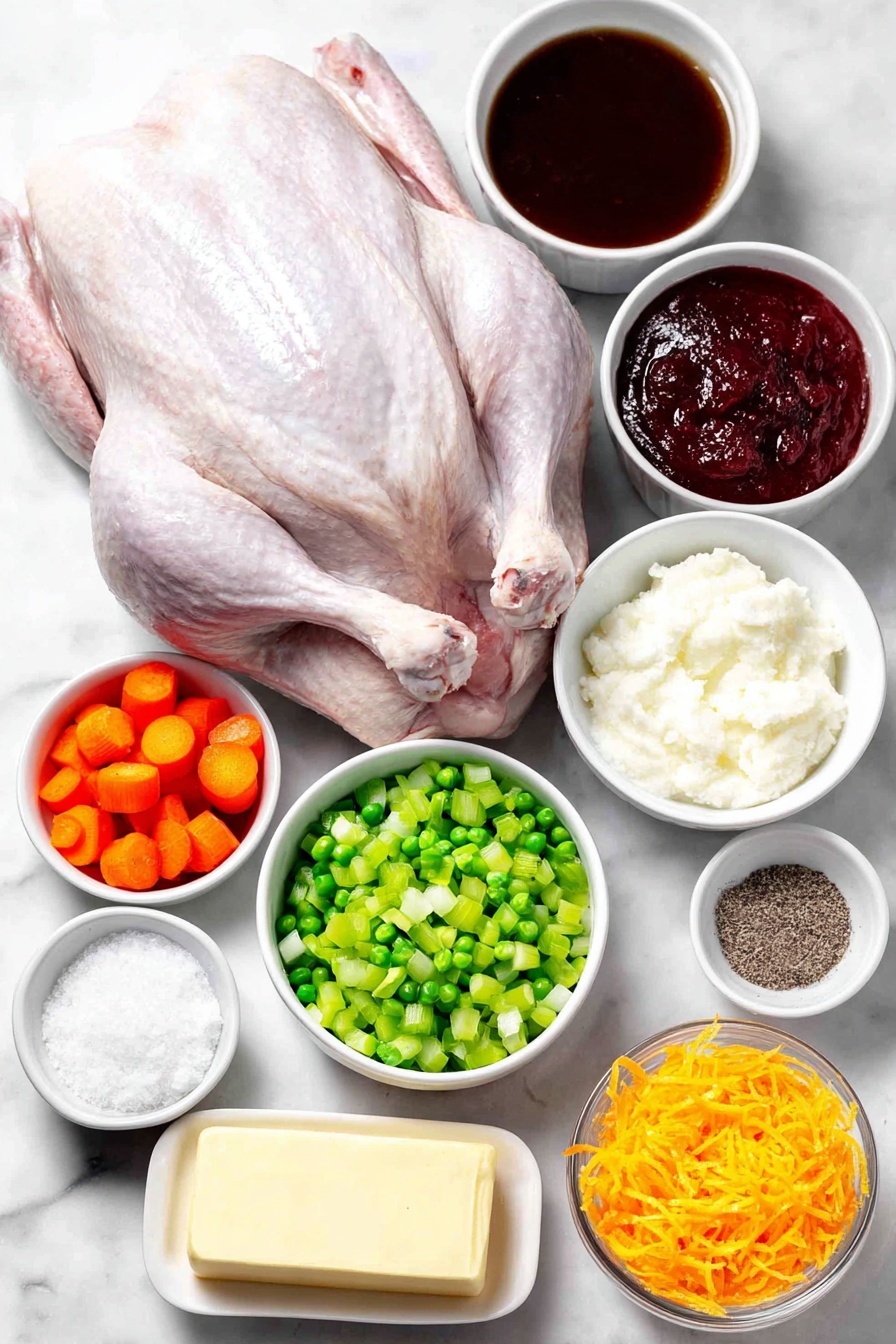
- Whole duck: Look for a fresh, good-quality duck around 5 pounds; I prefer fresh for the best skin crispiness and flavor.
- Vegetable oil: For drizzling and roasting, a neutral oil with a high smoke point works best.
- Kosher salt: Essential for seasoning thoroughly, especially when you dry-brine the duck in the fridge.
- Carrot, onion, celery: Classic mirepoix veggies that build great flavor for the stock and sauce.
- Brown beef or chicken stock: Homemade or good-quality store-bought stock makes a huge difference in the sauce’s depth.
- Tomato paste (optional): Use if you want a richer color and slight depth in the stock reduction.
- Granulated sugar: The base for your caramelized gastrique—it’s all about careful cooking here.
- Red wine vinegar: Balances the sweetness with acidity in the gastrique.
- Orange zest and juice: Navel or bitter oranges work; fresh zest really amps up the orange aroma and flavor.
- Lemon juice: Adds brightness—omit if using bitter orange juice to keep the flavors balanced.
- Freshly ground white or black pepper: For seasoning the sauce to your taste.
- Cold unsalted butter: Whisked in at the end for that silky, glossy finish on the sauce.
- Cornstarch or arrowroot (optional): Just in case your sauce needs a little thickening touch.
Variations
I love making the Duck à l’Orange with Rich Sauce Recipe my own by tweaking the sauce or presentation depending on the season or occasion. There’s room to get creative while sticking to the classic framework.
- Swapping citrus: I’ve swapped navel orange with blood oranges for a more vibrant color and slightly different tang, and it blew us away!
- Spiced twist: Adding star anise or cinnamon stick to the stock while simmering gives a warm, cozy depth to the sauce that’s perfect for fall dinners.
- Healthier adaptation: Trimming excess duck fat before roasting lowers calories without skimping on flavor; just save that fat for cooking potatoes later!
- Vegetarian sauce base: For a poultry-free take, try a rich mushroom stock instead of beef or chicken, and it still makes an amazing orange sauce.
How to Make Duck à l’Orange with Rich Sauce Recipe
Step 1: Prepare Your Duck for Roasting
Here’s where a bit of prep pays off big time. I like to spatchcock the duck—it helps it cook evenly and crisps the skin beautifully. Grab poultry shears and carefully remove the backbone, then press the duck flat. Don’t forget to prick the skin all over with a sharp paring knife; this renders the fat better. Next, give the duck a quick dip in boiling water—trust me, this tightens the skin and helps it crisp up in the oven. Finally, season it generously with kosher salt inside and out, then pop it uncovered in the fridge to dry for at least an hour or overnight if you can. This step is a game changer for crisp skin you’ll love.
Step 2: Roast Duck Trimmings and Make Your Stock
While your duck rests in the fridge, gather those trimmed wing tips, neck, and (if you spatchcocked) the backbone, and toss them with diced carrot, onion, celery, and a drizzle of oil. Roast everything until browned and fragrant—this forms the flavor base for your sauce. Then, simmer these goodies in a couple quarts of beef or chicken stock for 1 to 2 hours, skimming any impurities for a clean, rich reduction. Keeping an eye on the stock as it reduces is key—don’t rush this part, it really builds that deep sauce flavor.
Step 3: Roast Your Duck
Crank your oven up to 450°F (230°C) and roast the duck on the wire rack that’s catching all those delicious drippings. This high heat helps the skin crisp up and creates some happy smoke aromas in your kitchen (open the windows if needed). After 30 minutes, turn the oven down to 300°F (150°C) and continue roasting until the duck thighs hit around 175°F internally—a well-done finish that keeps the meat juicy and tender. Take a breath—you’re halfway there to restaurant-quality duck!
Step 4: Make the Sweet and Tart Gastrique
This part is so satisfying once you get the hang of it. Start caramelizing sugar with a splash of water over medium heat, waiting for it to turn a deep amber without burning (patience is everything here). Slowly add red wine vinegar in tiny amounts to avoid boil-overs, swirling constantly. This tangy-sweet syrup, called gastrique, is the star that gives your sauce its signature bright contrast. If your caramel seizes, no worries—it will melt back with continued cooking. Let it simmer gently until slightly reduced, then set aside for later.
Step 5: Finish the Sauce and Serve
Bring your reduced stock back to a gentle simmer, add fresh orange and lemon juices (or bitter orange if you have it), then stir in the gastrique a teaspoon at a time until you hit that perfect sweet and sour balance. Finish by whisking in cold butter off the heat to create a silky, glossy sauce — this is the secret to that rich texture I always promise. Last, stir in blanched orange zest for a burst of aroma. Reheat your duck for a few minutes if it’s cooled, carve, and spoon the sauce generously over the top. Honestly, once you try this sauce, it becomes your gold standard.
Pro Tips for Making Duck à l’Orange with Rich Sauce Recipe
- Dry-brining the duck: Refrigerating the duck uncovered for at least an hour lets the skin dry out, which is essential for that coveted crispiness.
- Controlling caramel color: Watch the sugar closely—it can turn from perfect amber to burnt in seconds, so remove it from heat just before it’s too dark.
- Gentle sauce finish: Always whisk in cold butter off direct heat to prevent the sauce from breaking and keep it silky.
- Patience with reductions: Take your time reducing the stock and sauce; rushing this step often results in a thin sauce lacking depth.
How to Serve Duck à l’Orange with Rich Sauce Recipe
Garnishes
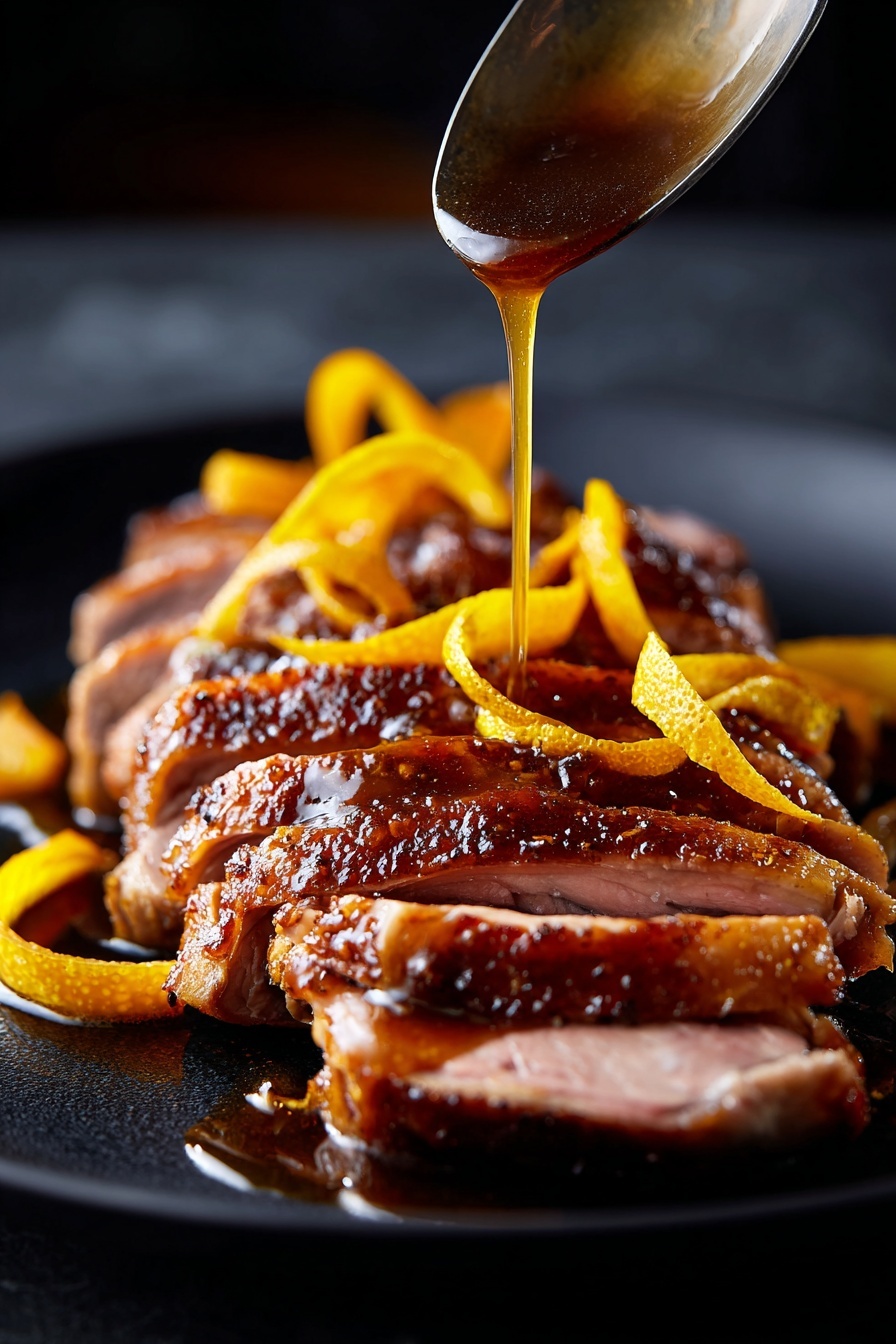
I like to garnish with a few finely sliced orange zest strips and a sprinkle of fresh thyme or parsley for a pop of color and fresh herbal aroma. It makes the dish look as vibrant as it tastes and adds that extra bit of freshness that complements the rich duck and sauce.
Side Dishes
My favorites to pair with this dish are roasted fingerling potatoes cooked in duck fat to crispy perfection and a simple buttered green vegetable like haricots verts or sautéed spinach. The starch and greens balance the richness and give some lovely textural contrast.
Creative Ways to Present
For special occasions, I’ve plated the sliced duck fanned out over a pool of sauce with a neatly arranged orange zest spiral on top. You can also serve the sauce on the side in a small gravy boat for guests to add as they please—this adds an elegant flair and keeps the skin crisp right up to the last bite.
Make Ahead and Storage
Storing Leftovers
I store leftovers in an airtight container in the fridge and always keep the sauce separate if possible. This prevents the skin from getting soggy and preserves the sauce’s flavor. It usually lasts 2 to 3 days—perfect for a decadent lunch the next day!
Freezing
Freezing cooked duck with sauce is doable but I recommend freezing the duck and sauce separately in freezer-safe containers. This way, when you thaw and reheat, you avoid a mushy texture and keep flavors intact. I’ve had success freezing the sauce alone for up to 3 months.
Reheating
To reheat, gently warm the sauce in a saucepan over low heat, whisking occasionally. For the duck, I like popping it in a 350°F oven for 10–15 minutes to crisp the skin back up without drying the meat. This method keeps both components delicious as if freshly made.
FAQs
-
Can I use duck breasts instead of a whole duck for this Duck à l’Orange with Rich Sauce Recipe?
Absolutely! Duck breasts cook faster and are easier when you’re short on time. Adjust cooking times accordingly to avoid overcooking, and you can still make the rich orange sauce following the same method—just save the trimming for stock if you want to maximize flavor.
-
What if I don’t have bitter oranges for the sauce?
No worries! Navel oranges work wonderfully. The recipe calls for lemon juice to balance the acidity when using navel oranges, but if you have bitter oranges, just omit the lemon. Both create a lovely, bright citrus flavor.
-
How do I prevent the orange sauce from becoming too sweet?
Adding the gastrique gradually and tasting as you go is the key. The sauce should have a delicate sweet and sour balance, so don’t add too much at once. Also, using fresh citrus juice and adjusting with salt and pepper helps achieve a perfect harmony.
-
Can I make the sauce ahead of time?
Yes, you can make the sauce a day ahead and reheat it gently. Just add a little more butter or a splash of stock when reheating if it’s thickened. Keep the sauce stored in the fridge tightly covered to preserve its fresh taste.
Final Thoughts
I’ll be honest—this Duck à l’Orange with Rich Sauce Recipe has become my go-to whenever I want to impress without the stress. The crispy skin, the silky sauce, and that perfect sweet-tart balance make it feel luxurious, yet doable in a home kitchen. I remember the first time I served this to friends, and the compliments kept rolling in all night. You’ll enjoy the process and love the result, and trust me, once you’ve made this, duck nights will never be the same. Give it a try—you’ll thank me later!
Print
Duck à l’Orange with Rich Sauce Recipe
- Prep Time: 25 minutes
- Cook Time: 5 hours
- Total Time: 5 hours 25 minutes
- Yield: 4 servings
- Category: Main Course
- Method: Roasting
- Cuisine: French
Description
Duck à l’Orange is a classic French dish featuring a whole roasted duck with a luscious, balanced orange sauce. The recipe involves roasting the duck to crispy perfection and preparing a rich sauce made from a reduced stock, caramelized sugar, vinegar gastrique, and fresh citrus juices, resulting in a harmonious sweet and tangy complement to the rich, flavorful meat.
Ingredients
Duck
- 1 whole duck (about 5 pounds; 2.25kg)
- Vegetable oil, for drizzling
- Kosher salt
Vegetables for Stock
- 1 medium carrot, diced
- 1 medium yellow onion, diced
- 1 large celery rib, diced
Stock and Sauce Base
- 2 quarts (2 liters) brown beef or brown chicken stock (see note)
- 1 tablespoon (15ml) tomato paste (optional)
- 4 ounces (115g) granulated sugar (about 1/2 cup plus 1 tablespoon)
- 1/2 cup red wine vinegar
- Zest of 1 navel orange or 2 bitter oranges, cleaned of any white pith and cut into a fine julienne
- 2 tablespoons (30ml) fresh navel orange juice or 1/4 cup (60ml) bitter orange juice
- 2 tablespoons fresh lemon juice (omit if using bitter orange juice)
- Freshly ground white or black pepper
- 2 tablespoons (30g) cold unsalted butter
- Cornstarch or arrowroot (optional, only if needed)
Instructions
- Spatchcock the Duck (Optional): Use poultry shears to remove the backbone by cutting along both sides of the spine from the cavity to neck ends, then flip the duck and press down on the breast to flatten it. This allows for more even roasting.
- Prepare Duck and Trimmings: Trim excess skin around the neck and cavity, remove wingettes and wing tips at the joint, leaving the drumettes connected. Remove neck and any giblets from the cavity. Refrigerate trimmed wing ends, neck, and spine until ready to make the sauce; reserve giblets and trimmed skin for another use or discard.
- Prick Duck Skin and Parboil: Using a sharp paring knife, prick the skin all over without cutting into the meat, especially where the skin is thickest. In boiling water, and wearing heavy kitchen gloves, dip the duck into boiling water for 2 minutes to tighten the skin. Remove and let water drain off before transferring breast side up to a wire rack on a rimmed baking sheet.
- Season and Dry: Season the duck all over, inside and out, with kosher salt. Refrigerate uncovered for at least 1 hour and up to 24 hours to dry the skin for better crisping.
- Roast Duck Trimmings and Vegetables: Preheat oven to 425°F (220°C). On a rimmed baking sheet, arrange the trimmed wings, neck (and backbone if spatchcocked) with diced carrot, onion, and celery. Drizzle lightly with oil and rub to coat. If using, rub tomato paste over duck and vegetables for color. Roast, stirring occasionally, until browned about 25 minutes, taking care not to burn.
- Prepare Stock: Add stock to a large saucepan and bring to simmer. Transfer roasted duck trimmings and vegetables to the stock. Pour some boiling water onto the baking sheet to scrape up browned bits and add to stock. Simmer gently until reduced by half, about 1 to 2 hours, skimming off any scum or fat.
- Strain and Further Reduce Stock: Strain stock through a fine mesh sieve, discarding solids. Transfer to a smaller saucepan and continue simmering until reduced to about 1 cup (225ml), 1 to 1.5 hours, skimming as necessary. Set aside.
- Roast the Duck: Increase oven to 450°F (230°C). Roast duck on wire rack over baking sheet for 30 minutes (expect some smoke). Then reduce oven to 300°F (150°C) and continue roasting until an instant-read thermometer reads about 175°F in the thickest parts (about 45 minutes if spatchcocked, 1 hour if whole). Remove and let rest.
- Make the Gastrique: In a small saucepan, combine sugar and 1/4 cup water over medium heat. Stir until boiling, then simmer without stirring until syrup turns a very light honey color (about 6 minutes), swirling occasionally. Continue cooking until deep amber (1 to 4 minutes longer).
- Add Vinegar Safely: Remove from heat and add red wine vinegar in very small increments, carefully swirling to prevent boil-over. Once calmed, add remaining vinegar more quickly while swirling. The caramel may seize but will dissolve back.
- Simmer Gastrique: Return to medium heat, bring to boil, then reduce to simmer for 2 minutes. Stir if needed to dissolve hardened sugar. Set aside.
- Blanch Orange Zest: In a clean small saucepan, bring about 1 cup water to rolling boil. Add orange zest and cook until softened (about 2 minutes for navel orange zest, 15 minutes for bitter orange zest). Drain and set aside.
- Reheat Duck Before Serving: Return duck to oven for 5 to 15 minutes to reheat and crisp skin depending on how cool it became after resting.
- Prepare the Sauce: Add citrus juices to reduced stock, bring to a simmer over medium heat, stirring often. Reduce heat to medium-low and simmer gently until sauce coats the back of a spoon (about 5 minutes).
- Adjust Sauce Flavor: Add gastrique 1 teaspoon at a time to taste until a balanced sweet and sour flavor is achieved, usually 2 to 4 teaspoons. Reserve leftover gastrique for other uses.
- Finalize Sauce: Season with salt and pepper. Over very low heat, whisk in cold butter until smooth and silky; do not boil after adding butter. If sauce is too thin, whisk in a cornstarch or arrowroot slurry and simmer gently to thicken.
- Infuse Sauce with Zest: Add blanched orange zest and simmer gently over low heat for 1 minute, stirring constantly.
- Serve: Carve duck and serve with the orange sauce spooned on top or alongside for an elegant, flavorful meal.
Notes
- The sauce balances rich duck flavors with a sharp yet sweet orange-based gastrique, designed to cut through the duck’s richness.
- Spatchcocking the duck allows for more even roasting and shorter cooking times but is optional.
- Using tomato paste in roasting vegetables helps deepen the color of the stock but can be omitted.
- The gastrique should be added cautiously to avoid overpowering the sauce—taste frequently during addition.
- Leftover gastrique can be saved and used to enhance grilled or roasted vegetables or other sauces.
- Allowing the duck skin to dry uncovered in the fridge improves crispiness when roasted.
Nutrition
- Serving Size: 1 serving (approximate, 1/4 of the recipe)
- Calories: 2323 kcal
- Sugar: 41 g
- Sodium: 1525 mg
- Fat: 176 g
- Saturated Fat: 61 g
- Unsaturated Fat: 0 g
- Trans Fat: 0 g
- Carbohydrates: 56 g
- Fiber: 2 g
- Protein: 121 g
- Cholesterol: 506 mg